
Key Takeaways
- Ensure your living trust is properly funded to avoid probate and additional legal costs.
- Select a reliable successor trustee to manage and distribute your assets effectively.
- Regularly update your trust documents to reflect changes in your life and financial situation.
- Designate beneficiaries accurately to prevent disputes and unintended asset distribution.
- Complement your living trust with other estate planning tools like a pour-over will and power of attorney.
Most Common Living Trust Errors
Creating a living trust is a wise decision for managing your assets and ensuring they are distributed according to your wishes after you pass away. However, many people make avoidable mistakes that can undermine the effectiveness of their trust. By understanding these common errors, you can take steps to ensure your trust serves its intended purpose.
Improperly Funded Trusts
One of the most frequent mistakes people make is not properly funding their living trust. Simply creating a trust document is not enough; you must also transfer ownership of your assets into the trust. If you fail to do this, those assets may still be subject to probate, which can be time-consuming and costly.
“An improperly funded trust is like a car without fuel; it looks good on paper but won’t get you anywhere.”
To avoid this mistake, make sure you transfer titles of your property, bank accounts, and other significant assets into the trust’s name. This process involves updating deeds, account registrations, and any other legal documentation to reflect the trust as the owner.
Choosing Inappropriate Successor Trustees
Another critical decision is selecting a successor trustee. This person will be responsible for managing and distributing your assets according to the terms of your trust. Choosing someone who is not trustworthy or capable can lead to mismanagement and disputes among beneficiaries. For additional insights on ensuring stability and security, explore safety features enhancements for independent living.
Consider selecting someone who is financially savvy and trustworthy. It could be a family member, a close friend, or even a professional fiduciary. The key is to choose someone who will act in the best interest of your beneficiaries and adhere to your wishes.
Outdated Trust Documents
Life changes, and so should your trust. Failing to update your living trust as your circumstances change is a common mistake that can have significant consequences. Changes in your family structure, such as marriage, divorce, or the birth of a child, should prompt a review of your trust documents. Learn more about avoiding common trust errors to ensure your estate plan remains effective.
Additionally, changes in tax laws and your financial situation can also necessitate updates to your trust. Regular reviews, ideally every few years or after major life events, will ensure your trust remains current and effective.
Incorrect Beneficiary Designations
Beneficiary designations are a crucial aspect of your living trust. Incorrect or outdated designations can lead to disputes among your heirs and may result in assets being distributed in ways you did not intend. It’s essential to clearly specify your beneficiaries and any conditions for their inheritance.
Review your beneficiary designations regularly, especially if there are changes in your family or financial situation. This simple step can prevent misunderstandings and ensure your assets are distributed according to your wishes.
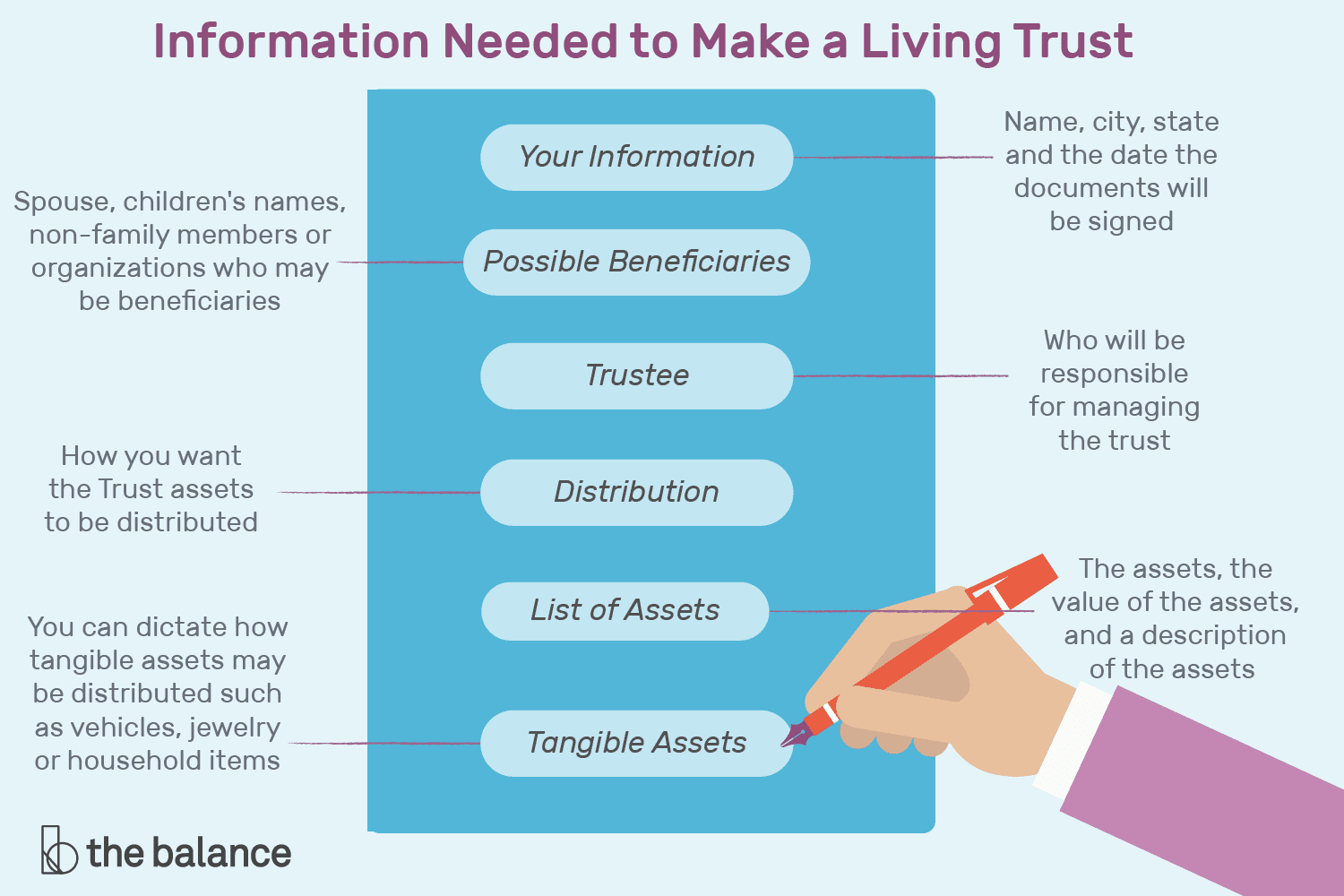
“What Is a Revocable Living Trust?” from www.thebalancemoney.com and used with no modifications.
Steps to Avoid Living Trust Pitfalls
Avoiding common pitfalls in creating and maintaining a living trust is crucial to ensuring that your estate plan works effectively. Here are some actionable steps to help you steer clear of these common errors. For those interested in additional ways to support your overall well-being, consider exploring cognitive fitness strategies that can enhance your mental acuity as you plan your estate.
Properly Funding Your Trust
Funding your trust means transferring ownership of your assets into the trust. This step is often overlooked, yet it is vital for your trust to function correctly. If you don’t transfer your assets, they might not be covered by the trust, leading to potential probate.
Start by listing all your assets, including real estate, bank accounts, and investments. Then, work with your financial advisor or attorney to update the titles and registrations to reflect the trust as the owner. This process might involve filling out forms, obtaining signatures, and recording deeds, but it ensures that your assets are properly managed and distributed.
Choosing a Reliable Trustee
The choice of a successor trustee is not to be taken lightly. This person will handle your estate, manage assets, and ensure your wishes are followed. Therefore, selecting someone trustworthy and capable is essential. To learn more about avoiding common mistakes in trust management, you can refer to this article on common trust errors.
Consider their financial expertise, reliability, and willingness to take on the responsibility. Discuss your decision with potential trustees to ensure they are comfortable with the role. In some cases, appointing a professional fiduciary may be the best option if family dynamics are complex or if no suitable personal candidate is available.
Ensuring Regular Updates
Your life is dynamic, and your living trust should reflect those changes. Regular updates are necessary to accommodate changes in your family, finances, or the law. These updates ensure your trust continues to meet your needs and intentions.
Make it a habit to review your trust every few years or after significant life events, such as the birth of a child, marriage, divorce, or changes in tax laws. Keeping your trust current minimizes the risk of disputes and ensures your assets are distributed as you wish.
Communicating with Beneficiaries
Open communication with your beneficiaries is crucial. Clearly discussing your plans can prevent misunderstandings and conflicts. Let your beneficiaries know about the trust, its purpose, and their roles, if any.
Consider holding a family meeting to explain your estate plan and address any questions or concerns. This transparency can help manage expectations and foster trust among family members, reducing the likelihood of disputes later. For additional insights on fostering trust, explore the safety features and enhancements of Lively for senior independent living.
Complementary Estate Planning Tools
While a living trust is a powerful tool, it should be part of a comprehensive estate plan. Other tools can complement your trust and enhance your estate planning strategy. For instance, incorporating balance and stability exercises into your routine can ensure you maintain the physical fitness needed to manage your estate effectively.
The Role of a Pour-Over Will
A pour-over will works in conjunction with your living trust. It acts as a safety net, ensuring that any assets not transferred into the trust during your lifetime are “poured over” into the trust upon your death.
This will ensures that all your assets are eventually covered by the trust, avoiding probate and simplifying the distribution process. Discuss with your attorney how to draft a pour-over will that complements your living trust.
Importance of Power of Attorney
A power of attorney is an essential component of any estate plan. It allows you to appoint someone to make financial and legal decisions on your behalf if you become incapacitated.
This document can provide peace of mind, knowing that someone you trust will manage your affairs if you cannot do so yourself. Ensure that your power of attorney aligns with your living trust and estate plan to provide a seamless transition of responsibilities.
Utilizing Healthcare Directives
Healthcare directives, including living wills and healthcare proxies, outline your medical wishes and appoint someone to make healthcare decisions for you if you cannot.
These directives ensure that your healthcare preferences are respected and provide guidance to your family and medical professionals during difficult times. Like your living trust, review and update these documents regularly to reflect your current wishes and circumstances.
By integrating these tools with your living trust, you create a robust estate plan that covers all aspects of your life and legacy, ensuring your wishes are honored and your loved ones are cared for.
Maintaining an Effective Living Trust
Creating a living trust is only the first step in ensuring your assets are managed and distributed according to your wishes. Maintaining an effective trust requires ongoing attention and adjustments as circumstances change. Here’s how to keep your trust in top shape.
Conducting Regular Reviews
Regular reviews of your living trust are crucial to keeping it relevant and aligned with your current situation. Life changes, such as marriage, divorce, births, or deaths, can significantly impact your estate plan. Additionally, changes in laws and financial circumstances may require updates to your trust.
Make it a point to review your trust every few years or whenever a significant life event occurs. This proactive approach ensures that your trust remains effective and that your assets are distributed according to your wishes.
Seeking Professional Guidance
While it’s possible to create and maintain a living trust on your own, professional guidance can provide invaluable insights and peace of mind. An estate planning attorney can help you navigate complex legal requirements and ensure your trust is legally sound.
Moreover, financial advisors can offer advice on funding your trust and managing your assets effectively. By seeking professional assistance, you can avoid common pitfalls and ensure your trust serves its intended purpose. For instance, exploring strategies like maximizing retirement income can be beneficial in aligning your financial goals with your trust planning.
Providing Clear Instructions
Clear instructions are essential to the success of your living trust. These instructions should outline how your assets are to be managed and distributed, as well as any specific wishes you have regarding your beneficiaries. For additional guidance on maintaining independent living for seniors, you might find this article helpful.
Make sure your trust document is clear and comprehensive. Ambiguities can lead to misunderstandings and disputes among your heirs. Discuss your plans with your beneficiaries to ensure they understand your intentions and the role they play in your estate plan.

“Estate Planning FAQ” from www.eastbaylawyers.com and used with no modifications.
Frequently Asked Questions
Living trusts can be complex, and it’s natural to have questions about how they work and how to manage them effectively. Here are some common questions and answers to help you navigate the process.
What is the most common mistake when creating a living trust?
The most common mistake is failing to fund the trust properly. Many people create a trust document but neglect to transfer ownership of their assets into the trust. This oversight can result in those assets being subject to probate, defeating one of the primary benefits of a living trust.
To avoid this mistake, ensure that all significant assets, such as real estate, bank accounts, and investments, are transferred into the trust’s name. Work with an attorney or financial advisor to complete this process correctly.
How do I properly fund my living trust?
Properly funding your living trust involves transferring ownership of your assets to the trust. This process includes updating titles, deeds, and account registrations to reflect the trust as the owner. It’s essential to include all significant assets, such as real estate, bank accounts, and investments.
Consult with your attorney or financial advisor to ensure that the transfer process is completed accurately and legally. They can guide you through the necessary paperwork and ensure that your trust is fully funded. For more information on avoiding errors, you might consider reading about common trust errors.
Why is it important to update a living trust regularly?
Updating your living trust regularly is crucial because your life and financial situation are dynamic. Changes such as marriage, divorce, the birth of a child, or the death of a beneficiary can significantly impact your estate plan. Additionally, changes in tax laws or financial circumstances may necessitate updates to your trust.
Regular updates ensure that your trust remains aligned with your current wishes and circumstances, minimizing the risk of disputes and ensuring your assets are distributed as you intend.
Can I change my successor trustee once assigned?
Yes, you can change your successor trustee if your circumstances or preferences change. The process typically involves amending your trust document to reflect the new trustee appointment. It’s essential to ensure that the new trustee is someone you trust and who is capable of managing your estate.
Consult with your attorney to make the necessary changes to your trust document and ensure that the transition is smooth and legally sound.




Leave a Reply