

When you’re out in nature, with the chorus of birdsong enveloping you, there’s nothing more frustrating than a shaky hand or an unsteady stance ruining that perfect sighting. That’s where a Life Crutch comes in, offering not just support for those with mobility issues, but also for any birdwatcher looking for added stability in their outdoor adventures.
So, let’s dive into how to use a Life Crutch for birdwatching, ensuring you’re as silent and still as the trees around you, ready to catch a glimpse of the most elusive birds.
A Step-by-Step Guide
First things first, let’s talk about the Life Crutch itself. It’s not just any stick you find lying around. This is a specialized tool that’s adjustable, comfortable, and most importantly, reliable. Whether you’ve got a sprained ankle or you’re dealing with a long-term mobility issue, a Life Crutch can be your best friend on the birdwatching trail.
Now, before we get into the nitty-gritty, remember that preparation is key. You wouldn’t go on a hike without the right shoes, right? Similarly, don’t start birdwatching without gearing up properly. That means comfortable clothes, a hat, sunscreen, and of course, your trusty binoculars.
Alright, you’re dressed and ready to go. But wait, do you know where you’re going? Research is crucial. Find out what birds you’re likely to see in the area and familiarize yourself with their calls and habits. Knowledge is power, and in birdwatching, it’s the difference between seeing a bird and just hearing it.
Preparing for Your Birdwatching Adventure
Imagine you’re heading out at dawn. The air is crisp, and the woods are just waking up. You’ve got your life crutch by your side, ready to support you through the day’s journey. But before you step out the door, let’s run through a quick checklist:
- Weather-appropriate clothing? Check.
- Binoculars with a neck strap? Check.
- Field guide or birdwatching app? Check.
- Water and snacks? Check.
- Life Crutch adjusted to your height? Double-check.
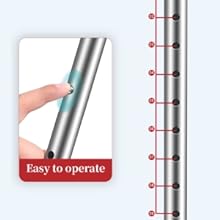
With these items ticked off, you’re almost set to embark on your birdwatching quest. But let’s take a moment to talk about your life crutch. It’s not just a stick, remember? It’s a tool that needs to be adjusted to your specific height to provide optimal support. So, take the time to get it just right.
Selecting the Right Life Crutch for Stability
Choosing the right life crutch is like finding the perfect pair of shoes—it needs to fit well and feel comfortable. Look for a crutch with a cushioned handle, adjustable height settings, and a sturdy tip that will grip various terrains. Trust me, your hands and wrists will thank you after a long day of birdwatching.
Essential Birdwatching Gear Beyond the Crutch
Now, let’s talk gear. You’ve got your life crutch, but that’s just the beginning. Here’s what else you’ll need:
Your binoculars are your eyes in the sky, so invest in a good pair. They should be lightweight enough to not weigh you down but powerful enough to see the goldfinch flitting about in the treetops.
- A field guide or birdwatching app to help identify your feathered friends.
- A notebook or recording app to jot down your sightings.
- A camera with a good zoom if you’re into bird photography.
- A small backpack to carry your essentials, leaving your hands free for binoculars and your crutch.
With these items, you’re well on your way to becoming a birdwatching maestro. But remember, it’s not just about having the gear; it’s about knowing how to use it. Practice with your binoculars at home, get comfortable with your field guide, and learn the best settings on your camera for quick shots.
Key Takeaways
Let’s pause for a moment and consider what we’ve covered so far:
- A Life Crutch provides stability and support for birdwatchers of all mobility levels.
- Proper preparation and research can make or break your birdwatching experience.
- Choosing the right Life Crutch is crucial—comfort and adjustability are key.
- Essential gear includes binoculars, a field guide, a notebook, and optionally, a camera.
- Knowing how to use your gear effectively is just as important as having it.
Now that we’ve laid the groundwork, let’s move on to optimizing the use of Life Crutches and delve into birdwatching basics. Stay tuned for more tips and tricks that will elevate your birdwatching game to new heights.
Optimizing the Use of Life Crutches
Adjusting the Life Crutch for Comfort and Support
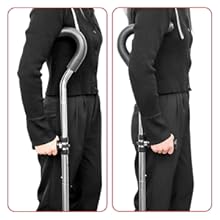
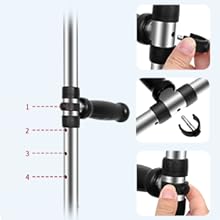
Getting the most out of your Life Crutch starts with proper adjustment. The top of the crutch should reach to about 1-2 inches below your armpit when you’re standing straight. The handgrip should be at hip level, allowing your arm to bend slightly at the elbow. This isn’t just about comfort; it’s about preventing fatigue so you can stay out in the field longer.
Remember, the goal is to reduce strain on your body. If you’re feeling discomfort, stop and readjust. It’s worth taking a few extra minutes to get it right rather than pushing through and ending up with sore muscles or blisters. A well-adjusted crutch will feel like an extension of your body, not an awkward appendage.
- Check the crutch’s height and handgrip position.
- Ensure the crutch pads are comfortable under your arms.
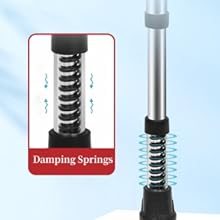
- Adjust the crutch tip for different terrains; some have interchangeable tips for mud, gravel, or pavement.
- Practice walking with your crutch at home before heading out.
- Make small adjustments as needed throughout the day.
Techniques for Balancing with a Crutch
Balancing with a crutch while birdwatching is a skill that comes with practice. Start by standing still and finding your center of gravity. Lean slightly into the crutch and let it take some of your weight. When you’re ready to move, take it slow. Step with your good leg and bring the crutch forward at the same time. It’s a rhythmic dance between you and the crutch.
When you’re observing birds, use the crutch to steady your binoculars. Hold the binoculars with one hand and the crutch with the other, or rest your binoculars on the crutch’s handle if it’s flat enough. This can help reduce arm fatigue and keep your view steady.
- Find your balance before moving or observing.
- Move the crutch and your good leg together in a smooth motion.
- Use the crutch to steady your binoculars for a clear view.
- Practice standing on different terrains to improve your balance.
- Take breaks often to avoid overexertion.
Transitioning Between Observation Points
Moving from point A to point B can be a challenge, especially if you’re navigating uneven terrain. Plan your route in advance, looking for the path of least resistance. When you’re moving, keep your eyes on the ground to avoid tripping hazards. And always, always have your crutch in the correct position before taking a step.
If you need to change your observation spot, do it methodically. Secure your binoculars and camera before moving. This not only protects your equipment but also frees up your hands to manage the crutch and maintain balance.
- Scout your route before moving.
- Watch for roots, rocks, and uneven ground.
- Secure your gear before transitioning.
- Move your crutch in sync with your steps for stability.
- Take your time—rushing increases the risk of falls and scares away birds.
Birdwatching Basics
Birdwatching is more than just looking at birds; it’s about understanding and appreciating the natural world. Start with the basics: learn to identify common birds in your area, understand their behaviors, and recognize their calls. This foundational knowledge will enhance your birdwatching experience and make each outing more rewarding.
Take the time to learn about different bird habitats and the best times of day to observe certain species. Dawn and dusk are often prime birdwatching times, but every bird has its own schedule. And remember, patience is key. Birds won’t always show up on cue, but the wait is always worth it when they do.
- Learn to identify local birds by sight and sound.
- Understand bird behaviors and habitats.
- Know the best times for observing different species.
- Be patient and stay quiet to avoid disturbing the birds.
- Keep a birdwatching journal to track your sightings and progress.
With these basics under your belt and a Life Crutch for support, you’re well-equipped for a successful birdwatching adventure. Embrace the stillness, the quiet, and the thrill of the chase. And most importantly, enjoy the connection with nature that birdwatching brings.
Identifying Birds: Tips and Tricks for Beginners
Identifying birds can be like piecing together a puzzle. You’ll need to pay attention to size, shape, color patterns, behaviors, and habitats. Start with the most common birds in your area and learn to recognize them like you would a friend’s face. A field guide or app can be invaluable here, providing images and sounds to help you match what you see and hear.
- Focus on one bird at a time to avoid overwhelm.
- Notice the bird’s silhouette, beak shape, and tail length.
- Listen for unique calls and songs.
- Observe behavior: Is the bird hopping, soaring, or diving?
- Use a field guide to confirm your sightings.
- Keep a list of birds you’ve identified to track your progress.
Remember, practice makes perfect. The more you observe, the better you’ll become at quickly identifying birds and their distinctive characteristics.
Finding Prime Birdwatching Locations
The best birdwatching spots are those where birds feel safe and have abundant resources. Look for areas with water sources, like ponds or streams, and plenty of cover, such as trees or shrubs. National parks, wildlife refuges, and even your local park can be hotspots for bird activity.
- Research online or consult local birdwatching groups for location tips.
- Visit spots during different seasons to see a variety of birds.
- Early morning is often the best time for birdwatching.
- Stay quiet and move slowly to avoid scaring birds away.
- Respect the environment: stick to trails and leave no trace.
By visiting a variety of locations, you’ll not only see a diverse range of birds but also learn how different environments support different species.
Enhancing Observation Skills
Good observation skills are at the heart of birdwatching. This means being fully present and using all your senses. Watch for movement in the trees or bushes, listen for bird calls, and pay attention to patterns in the landscape where birds might congregate. Being still and quiet is crucial, as birds are easily startled by noise and sudden movements.
Over time, you’ll start to notice subtle behaviors and interactions that can lead to more exciting birdwatching experiences. It’s these little details that often bring the biggest rewards.
Using Binoculars Effectively with a Crutch
Binoculars are your window to the bird world, and when you’re using a crutch, you have a built-in support system. Hold your binoculars in one hand and use the crutch handle to steady your arm. This makeshift tripod can help you keep the binoculars stable for longer periods, allowing for better observation.
- Choose lightweight binoculars to reduce arm fatigue.
- Adjust the neck strap to prevent strain and ensure quick access.
- Practice focusing quickly to catch fleeting moments.
- Use your crutch to support your binocular-holding arm.
- Take breaks to rest your eyes and prevent neck strain.
With these techniques, you’ll find that your binoculars become an even more powerful tool in your birdwatching arsenal.
Camera Handling While Maintaining Crutch Support
For those who love to capture their sightings, handling a camera with a crutch might seem tricky, but it’s all about balance. Use a lightweight camera with a strap for easy carrying. When you’re ready to take a photo, brace the crutch under your armpit and use your free hand to operate the camera. Some crutches even come with attachments that can hold your camera for you.
- Use a camera with a neck or wrist strap for security.
- Practice switching between binoculars and camera smoothly.
- Consider a crutch with an accessory mount for your camera.
- Keep the camera settings simple for quick shots.
- Always protect your camera from the elements with a waterproof bag or case.
With a bit of practice, you’ll find that using a camera while birdwatching with a crutch is not only possible but also incredibly rewarding as you document your discoveries.
Note-Taking and Recording Observations
Recording your observations is a critical part of birdwatching. It helps you track your progress, remember unique encounters, and share your experiences with others. Use a small notebook or a digital app to jot down details like the species you’ve seen, the time of day, weather conditions, and any interesting behaviors. A sketch or two, even if it’s just a rough outline, can also help cement your memory of a bird. For more tips on birdwatching, visit this beginner’s guide.
- Carry a waterproof notebook and pencil to handle all weather conditions.
- Record the date, time, location, and weather for each outing.
- Describe the birds you see with as much detail as possible.
- Include sketches or photos if you can.
- Review your notes after each trip to reflect on what you’ve learned.
As you build your birdwatching journal, you’ll create a personal archive that can bring joy for years to come and help you become a more skilled birdwatcher.
Joining the Birdwatching Community
Birdwatching is a solitary activity, but it doesn’t have to be a lonely one. Joining the birdwatching community can enhance your experience, offering camaraderie, shared knowledge, and new friendships. Plus, there’s nothing like the excitement of birding with others who share your passion.
Finding Local Birdwatching Clubs and Events
Local birdwatching clubs and events are fantastic resources for birders of all levels. They provide opportunities to learn, explore new areas, and connect with like-minded individuals. Check out community boards, nature centers, and online forums for information on local birdwatching groups. Many clubs offer guided walks, workshops, and social events that can enrich your birdwatching journey.
- Search for local birdwatching clubs online or at your local library.
- Attend birdwatching events or festivals to meet other enthusiasts.
- Participate in bird counts and citizen science projects.
- Subscribe to birdwatching magazines and newsletters for event listings.
- Follow birdwatching groups on social media to stay updated on outings and activities.
By engaging with the community, you’ll find that your birdwatching experiences become even more meaningful and enjoyable.
Learning from Experienced Birdwatchers
There’s a wealth of knowledge to be gained from birdwatchers who have been observing birds for years. They can offer insights on everything from identifying tricky species to finding the best birdwatching spots. Don’t be shy about asking questions or seeking advice. Most experienced birdwatchers are eager to share their passion and help others grow in the hobby.
- Attend local birdwatching club meetings to learn from seasoned birders.
- Ask for tips on identification, equipment, and birdwatching locations.
- Join group outings to observe how experienced birdwatchers operate.
- Volunteer to assist with bird surveys or conservation efforts.
- Take part in workshops or courses to enhance your birdwatching skills.
Learning from others is an invaluable part of the birdwatching experience, so take advantage of the collective wisdom of the birdwatching community.
FAQ
Let’s address some common questions that arise when using a Life Crutch for birdwatching. These answers will help you navigate any uncertainties and ensure you’re prepared for your next birdwatching adventure.
What features should I look for in a Life Crutch for birdwatching?
When selecting a Life Crutch for birdwatching, consider the following features:
- Adjustability: The crutch should be easy to adjust to your height for optimal comfort.
- Comfort: Look for a crutch with a padded handle and armrests to reduce strain.
- Durability: The crutch should be sturdy enough to handle outdoor terrains.
- Lightweight: A lighter crutch will be easier to carry on long birdwatching trips.
- Stability: A crutch with a wide tip or interchangeable feet will provide better stability on various surfaces.
These features will help ensure that your crutch is a helpful companion rather than a hindrance during your birdwatching outings.
How do binoculars attach to a crutch for stability?
While binoculars don’t typically attach directly to a crutch, you can use the crutch to steady your arms while holding the binoculars. Some crutches come with an accessory mount that can hold a camera or other equipment, which could potentially be adapted for binoculars. Always ensure your crutch is stable before attempting to use it as a support for your binoculars.
Can I use a camera tripod together with a Life Crutch?
Yes, you can use a camera tripod in conjunction with a Life Crutch. The tripod can provide a stable platform for your camera, while the crutch offers personal support and balance. When setting up your tripod, make sure to position your crutch within easy reach in case you need to stabilize yourself quickly.
Are there any specific exercises to improve balance while using a crutch?
Improving your balance can make using a Life Crutch easier and more effective. Simple exercises like standing on one foot, walking heel-to-toe, or practicing yoga can enhance your stability. Always consult with a healthcare professional before starting any new exercise routine, especially if you have mobility concerns.
By addressing these FAQs, you’re now equipped with the knowledge to make the most of your Life Crutch during birdwatching. So, grab your gear, adjust your crutch, and head out into the great outdoors. Happy birding!
What features should I look for in a Life Crutch for birdwatching?
When you’re in the market for a Life Crutch to enhance your birdwatching experience, you’ll want to focus on a few specific features. A good Life Crutch should be:
- Height-adjustable: It’s essential that the crutch can be tailored to your height for proper ergonomic support.
- Comfortable: Padded handles and armrests can prevent soreness during extended use.
- Durable: The crutch should be constructed from materials that can withstand outdoor conditions.
- Lightweight: You’ll be carrying this crutch around, so a lighter model will be less burdensome.
- Stable: A crutch with a broad base or interchangeable feet can adapt to various terrains, providing a steadier experience.
These features will contribute to a more enjoyable and less taxing birdwatching outing, allowing you to focus on the birds rather than discomfort or instability.
How do binoculars attach to a crutch for stability?
While binoculars are not typically designed to attach directly to a crutch, you can use the crutch to enhance the stability of your binoculars. For instance, you can lean the crutch against your body and rest your binocular-holding arm on top of the handle. This makeshift support can significantly reduce arm fatigue and help keep your view steady. Some innovative crutches may offer attachments or platforms that can be used as a rest for binoculars, but these are less common.
Can I use a camera tripod together with a Life Crutch?
Absolutely! A camera tripod and a Life Crutch can complement each other well during a birdwatching expedition. The tripod provides a stable base for your camera, allowing for clear, sharp images, while the crutch offers personal support, helping you navigate the terrain and maintain balance. When using both, ensure the crutch is within arm’s reach, so you can quickly grab it when moving between locations. This setup is ideal for birdwatchers who also have a passion for bird photography.
- Single-leg stance: Practice standing on one leg at a time to improve your overall balance.
- Heel-to-toe walk: Walking in a straight line, placing one foot directly in front of the other, can help train your balance.
- Side leg raises: Standing on one leg and lifting the other to the side strengthens your leg muscles and stabilizes your core.
- Yoga or Tai Chi: These practices focus on controlled movements and can significantly enhance your balance and stability.
Always consult with a healthcare professional before starting any new exercise regimen, particularly if you’re dealing with an injury or mobility issue. By incorporating these exercises into your routine, you’ll find that using a Life Crutch on your birdwatching adventures becomes a more seamless and enjoyable experience.