
There’s a growing body of research indicating that magnesium supplements can significantly enhance muscle function in seniors. As you age, your body’s magnesium levels often decrease, leading to potential muscle weakness and cramps. By incorporating these supplements into your routine, you may help mitigate challenges such as muscle fatigue and cramping, ultimately improving your overall mobility and quality of life. This post will explore how magnesium helps your muscles work better and the best practices for supplementation.
Key Takeaways:
- Enhanced Muscle Contraction: Magnesium supplements aid in the regulation of muscle contraction and relaxation, promoting better muscle function.
- Reduced Muscle Cramps: They can help decrease the frequency and intensity of muscle cramps, a common issue experienced by seniors.
- Improved Exercise Performance: Adequate magnesium levels support endurance and overall physical performance, making exercise more effective for seniors.
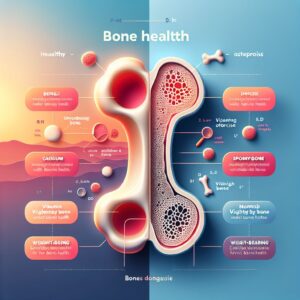
- Bone Health Support: Magnesium plays a role in bone health, indirectly benefiting muscle function through a stronger skeletal framework.
- Decreased Fatigue: Supplements can help alleviate fatigue, allowing seniors to engage more actively in daily activities and exercise.
Understanding Magnesium
While it may not be the most talked-about nutrient, magnesium plays a significant role in your overall health, especially as you age. This necessary mineral is involved in over 300 biochemical reactions in the body, which include muscle contraction, nerve function, and energy production. Not getting enough magnesium can lead to complications such as muscle cramps and weakness, making it vital to understand its importance.
The Role of Magnesium in the Body
By facilitating the transmission of nerve signals and muscle function, magnesium is integral to maintaining physical performance. It helps regulate calcium levels within your muscles and nerves, ensuring they can contract and relax efficiently. Thus, adequate magnesium levels are necessary for preventing discomfort and promoting mobility.
Sources of Magnesium
On your journey to boosting magnesium levels, it’s important to know where to find this mineral. Magnesium can be naturally sourced from a variety of foods, including leafy greens, nuts, seeds, and whole grains. Additionally, some fortified foods and dietary supplements can offer a concentrated dose to help meet your needs.
Body sources of magnesium can significantly impact your overall health. Foods such as spinach, almonds, black beans, and avocado are not only rich in magnesium but also packed with other beneficial nutrients. Incorporating these into your diet can help enhance muscle function and reduce the risk of deficiency-related issues, allowing you to maintain an active lifestyle.
Recommended Daily Allowance for Seniors
Against commonly held beliefs, the amount of magnesium you need may differ as you age. For seniors, the recommended daily allowance is typically around 320 mg for women and 420 mg for men. Meeting these guidelines can help ensure that your muscles and nerves function optimally.
Magnesium intake is important for your health as you grow older. Following the recommended daily allowance can promote muscle function, support heart health, and safeguard against potential deficiencies. Regularly assessing your dietary intake can help you stay within these guidelines, fostering better overall well-being.
Physical Changes in Seniors
Assuming you are in your senior years, your body goes through various physical changes that can affect muscle function. Understanding these changes is key to maintaining your strength and mobility as you age.
Age-Related Muscle Loss (Sarcopenia)
Sarcopenia is the natural process of muscle loss that occurs as you age, characterized by a decline in muscle mass and strength. This condition can begin as early as your 30s, but its effects often become more pronounced in your 60s and beyond, impacting your overall physical performance.
Impacts of Inactivity on Muscle Health
To maintain muscle health, it is important to stay active. Unfortunately, many seniors face a sedentary lifestyle, which can lead to diminished muscle strength and endurance.
In addition, when you lead a less active lifestyle, your body begins to atrophy, which directly contributes to weakened muscles and increased risk of falls and injuries. Engaging in regular exercises, like resistance training or walking, can help counteract these negative effects and promote better muscle function and strength.
Nutritional Deficiencies Among Older Adults
Age-related nutritional deficiencies can greatly affect your muscle health. As you get older, your body may have different dietary needs, and inadequate intake of important nutrients can exacerbate muscle loss.
Health concerns associated with inadequate nutrition include low protein intake, vitamin D deficiency, and insufficient magnesium levels. Addressing these deficiencies through diet or supplements can significantly improve your muscle health and overall well-being, enabling you to maintain a more active and fulfilling life.
The Science Behind Magnesium and Muscle Function
All seniors should be aware of the association between oral intake magnesium and sarcopenia, particularly how magnesium plays a significant role in muscle function and health. Insufficient magnesium levels can lead to weakened muscles, impacting your mobility and overall well-being.
Muscle Contraction and Relaxation
Science demonstrates that magnesium serves as a natural antagonist to calcium in muscle function. While calcium stimulates muscle contraction, magnesium is important for muscle relaxation. This balance allows your muscles to contract during activity and relax afterward, ensuring optimal performance and preventing cramps.
Magnesium’s Role in Energy Production
Any discussion of magnesium must include its vital role in energy metabolism. Magnesium is a cofactor in the conversion of food into energy, particularly in the production of ATP (adenosine triphosphate), which is important for all cellular functions.
Production of energy in your body is directly influenced by magnesium levels. A deficiency can significantly impair your energy production capabilities, leaving you feeling fatigued and diminishing muscle function. By ensuring you maintain adequate magnesium levels, you support enhanced energy production, which in turn supports your overall vitality and muscle health.
Impact on Muscle Repair and Recovery
Science indicates that magnesium also contributes to muscle repair and recovery. After exercise, your muscles need to recuperate, and magnesium plays an integral role in this process by aiding protein synthesis and reducing inflammation.
Relaxation and recovery of muscles are enhanced with sufficient magnesium. It helps to alleviate soreness and support faster recovery times, allowing you to return to your activities more quickly. By addressing your magnesium intake, you can help enhance your muscle repair processes, improving your overall mobility and quality of life as you age.
Benefits of Magnesium Supplements for Seniors
After considering the various challenges that come with aging, it’s clear that magnesium supplements can deliver significant benefits to seniors. Ensuring adequate magnesium levels can greatly enhance your overall muscle function and support a healthier, more active lifestyle.
Enhancing Muscle Strength
Along with following a balanced diet and exercise routine, magnesium plays a vital role in enhancing your muscle strength. This important mineral supports muscle contraction and relaxation, enabling you to maintain greater control over your movements.
Reducing Muscle Cramps and Spasms
About 70% of seniors experience muscle cramps or spasms at some point. Magnesium can help reduce the frequency and intensity of these uncomfortable occurrences, allowing you to move more freely without interruptions from muscle discomfort.
At times, muscle cramps can be not only annoying but also debilitating. They often disrupt your daily activities, making it difficult to enjoy life fully. By incorporating magnesium supplements into your routine, you may find relief from these painful spasms, ultimately improving your mobility and quality of life.
Improving Exercise Performance
About engaging in regular physical activity is important for maintaining your strength and flexibility as you age. Magnesium is known to improve exercise performance, enabling you to exert yourself more effectively and confidently during workouts.
Seniors often worry about their stamina and energy levels when it comes to physical activities. Magnesium supplementation can enhance your endurance, helping you sustain your performance during exercise. This will not only help you stay active but also contribute to better overall health and fitness.
Supporting Overall Mobility
With aging, maintaining mobility becomes increasingly important to ensure independence and quality of life. Magnesium supplements can support your overall mobility by promoting better muscle function and reducing discomfort.
Magnesium aids in the proper functioning of your muscles and nerves, which is important for maintaining your balance and coordination. By ensuring your body receives enough magnesium, you are actively supporting your movement and mobility, enabling you to engage in the activities you love without limitation.
Types of Magnesium Supplements
Keep in mind that there are several different types of magnesium supplements available in the market. Each type offers unique benefits and serves different purposes. Here are some common options you may consider:
| Type of Magnesium | Key Benefits |
|---|---|
| Magnesium Citrate | Highly absorbable, may help with digestion |
| Magnesium Glycinate | Gentle on the stomach, promotes relaxation |
| Magnesium Oxide | Commonly used but less absorbable, good for constipation |
| Magnesium Malate | May help with energy production and muscle recovery |
| Magnesium L-Threonate | Potential cognitive benefits, may enhance brain health |
Common Forms of Magnesium
At the core of magnesium supplements are its common forms, which include magnesium citrate, glycinate, oxide, malate, and L-threonate. Each form varies in its composition and how your body absorbs it, catering to various health needs. Therefore, understanding these distinctions can help you make informed choices about which supplement may suit your unique requirements best.
Bioavailability and Absorption Rates
Any supplement you choose will have different bioavailability and absorption rates. Bioavailability refers to how effectively your body can utilize the magnesium once you consume it. Choosing a supplement that offers higher bioavailability can significantly impact how effectively magnesium supports your muscle function and overall health.
It is imperative to recognize that not all forms of magnesium are equally absorbed by your body. For instance, magnesium citrate tends to boast higher bioavailability compared to magnesium oxide. This means your body may utilize magnesium citrate more efficiently, enhancing its effects on muscle function. Ultimately, understanding these factors enables you to select supplements that effectively meet your needs.
Choosing the Right Supplement
On your journey to enhance your muscle function, selecting the right magnesium supplement becomes vital. Factors such as your health condition, dietary restrictions, and personal preferences can play a significant role in your choice.
Magnesium supplements come in various forms, noted for their unique properties and effects. Look for ones that align with your health goals, like muscle recovery or improved relaxation. You should also consult with a healthcare professional to ensure that your selected supplement is safe and suitable for your specific conditions, as excessive intake can lead to adverse health effects.
Dosage and Safety Considerations
Unlike other supplements, magnesium requires careful consideration regarding dosage and safety, especially for seniors. Knowing the right amount to take and being aware of potential side effects can significantly enhance your overall health and muscle function. Let’s explore the recommended dosage, side effects, and interactions with medications.
Recommended Dosage for Seniors
For seniors, the general recommendation for magnesium supplements is around 320 mg per day for women and 420 mg per day for men. However, individual needs can vary based on factors such as your health status and diet. Consulting your healthcare provider is vital to tailor the right dosage for your body.
Potential Side Effects
Above all, it’s important to be aware of possible side effects from magnesium supplements, including diarrhea, nausea, and cramping. A proper dosage usually minimizes these effects, but understanding how your body reacts is key to safe supplementation.
A significant issue to consider is that excessive magnesium can lead to greater gastrointestinal distress and serious cardiovascular problems. Overdosing can result in a condition known as hypermagnesemia, which may cause symptoms such as extreme fatigue, low blood pressure, and even cardiac arrest. Therefore, it’s best to stay within the recommended limits and speak with your doctor if any symptoms arise.
Interactions with Medications
To ensure your safety, be cautious about magnesium’s potential interactions with certain medications, such as antibiotics, diuretics, and medications for osteoporosis. Always discuss your supplement plan with your doctor, especially if you are taking other prescriptions.
But it’s worth noting that while magnesium can interact with some medications, it may also enhance the effect of others, like blood pressure medications. Thus, it’s vital to find a balance that supports your muscle function without compromising your overall health. Always consult with your healthcare provider for personalized advice regarding magnesium supplementation and any medication interactions.
Summing up
With this in mind, incorporating magnesium supplements into your routine can significantly enhance muscle function as you age. As magnesium plays a vital role in energy production and muscle contraction, ensuring adequate levels can help improve strength, reduce cramping, and promote better overall mobility. By addressing any deficiencies through supplementation, you can enjoy a more active lifestyle and maintain your independence, making everyday tasks easier and more enjoyable.
FAQ
Q: How do magnesium supplements affect muscle function in seniors?
A: Magnesium plays a vital role in muscle contraction and relaxation. For seniors, maintaining optimal magnesium levels can help improve muscle strength and function. Research suggests that magnesium may aid in reducing muscle cramps and enhancing muscle recovery after physical activity. By supporting cellular energy production and protein synthesis, magnesium can help seniors maintain mobility and independence through better overall muscle performance.
Q: Are there specific symptoms of magnesium deficiency that seniors should look out for?
A: Yes, seniors can experience various symptoms related to magnesium deficiency, including muscle weakness, cramps, fatigue, and increased risk of falls. Additionally, low magnesium levels may contribute to cardiovascular issues, which can further impact overall health. It’s advisable for seniors to consult healthcare professionals if they notice these symptoms, as they may indicate a need for magnesium supplementation or dietary changes.
Q: What are the best dietary sources of magnesium for seniors, alongside supplements?
A: Seniors can enhance their magnesium intake through various dietary sources. Foods rich in magnesium include leafy green vegetables (such as spinach and kale), nuts (like almonds and cashews), seeds (especially pumpkin seeds), whole grains, legumes, and dark chocolate. Incorporating these foods into meals can provide a balanced diet that supports magnesium levels. However, for those who may have difficulty obtaining enough magnesium through diet alone, supplements can be a beneficial addition, but it is necessary to consult a healthcare provider for guidance on dosage and form.



Leave a Reply