
Recovery from hip replacement surgery can be a transformative journey, especially for seniors utilizing adjustable hospital beds. These beds can significantly enhance your comfort and support during the healing process. In this blog post, you will learn about the key milestones in your recovery timeline, the importance of proper positioning, and the benefits of gradual mobility. By understanding these aspects, you can take informed steps towards regaining your independence and improving your overall quality of life post-surgery.
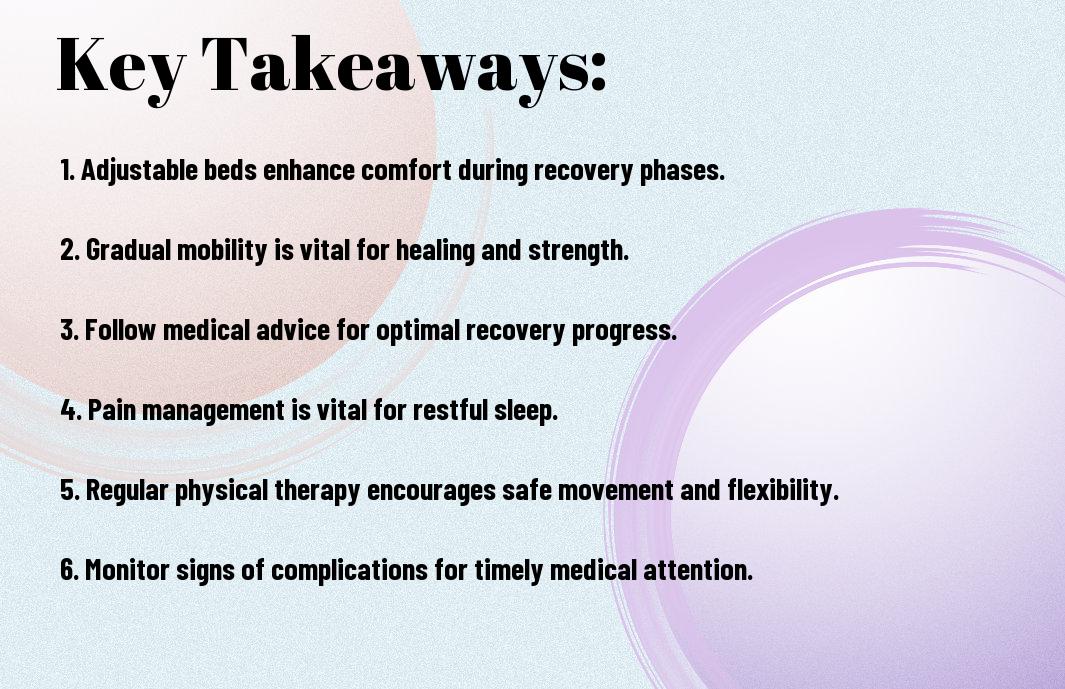
Key Takeaways:
- Recovery Phases: The hip replacement recovery timeline generally consists of various phases including immediate post-surgery, rehabilitation, and long-term recovery.
- Adjustable Hospital Beds: Using adjustable hospital beds can significantly enhance comfort and support during recovery by allowing seniors to find optimal positions for rest and mobility.
- Physical Therapy: Engaging in physical therapy is necessary for improving mobility, strength, and overall recovery speed after hip replacement surgery.
- Pain Management: Effective pain management strategies should be established to help seniors cope with discomfort and facilitate a smoother recovery process.
- Communication with Healthcare Providers: Ongoing communication with healthcare providers ensures that recovery is monitored closely and any concerns are addressed promptly.
Understanding Hip Replacement Surgery
For many seniors, hip replacement surgery can improve quality of life significantly. This procedure involves removing damaged hip joint parts and replacing them with artificial components, thereby alleviating pain and restoring mobility. The recovery timeline can vary, but understanding the surgery itself is necessary for better preparations.
Overview of Hip Replacement Procedures
On average, hip replacement patients can expect a hospital stay of 1 to 3 days. Following this, you may undergo physical therapy to regain strength and mobility. This surgical intervention aims to relieve pain and improve joint function, making everyday activities easier.
Types of Hip Replacement Implants
On the market, you’ll find various types of hip implants designed to accommodate different patient needs. Each type has unique features that affect durability, stability, and compatibility. The most common implants include:
| Cemented Implants | Use bone cement for fixation. |
| Non-Cemented Implants | Allow bone to grow around the implant. |
| Partial Hip Replacement | Replaces only the femoral head. |
| Total Hip Replacement | Replaces both the acetabulum and femoral head. |
| Resurfacing Implants | Preserve more of the natural bone. |
Knowing the right type of implant for your specific condition is important for successful surgery and recovery.
- Cemented Implants
- Non-Cemented Implants
- Partial Hip Replacement
- Total Hip Replacement
- Resurfacing Implants
Further comparisons between implant types reveal differences in longevity, comfort, and recovery timelines. Your orthopedic surgeon can help you choose the best option based on factors like age, activity level, and bone condition. Understanding these variables will enhance your preparation for the procedure and healing journey. Here’s a breakdown:
| Longevity | How long the implant lasts. |
| Comfort | How it feels post-surgery. |
| Recovery Time | Length of rehabilitation. |
| Bone Compatibility | How well the implant interacts with your body. |
| Cost | Financial considerations of different implants. |
Knowing these details will prepare you for more informed discussions with your healthcare team.
Surgical Techniques and Innovations
Before undergoing hip replacement surgery, you should be informed about the methodologies that may be used. Techniques ranging from traditional open surgery to minimally invasive approaches can affect your recovery experience and results.
Surgery methods are continually evolving, with advancements in techniques and technologies leading to better outcomes. Some innovations include robot-assisted surgeries and anterior approaches that minimize muscle disruption. While these methods provide benefits such as reduced pain and a lower risk of complications, they can also present particular challenges. Understanding these aspects will aid you in developing a comprehensive recovery strategy.
The Recovery Timeline
Clearly, understanding the hip replacement recovery timeline is imperative for seniors using adjustable hospital beds. Each phase addresses unique challenges and milestones, helping you navigate your journey to regained mobility and independence.
Immediate Post-Operative Phase (Days 1-3)
Days one through three focus on initial recovery after surgery. During this time, you will likely be monitored closely for any complications and work with medical staff to manage pain effectively. Adjustments in your hospital bed can significantly aid in your comfort.
Early Recovery Phase (Weeks 1-3)
Between weeks one and three, your focus will shift towards basic mobility and physical therapy exercises. Here, you may start to walk short distances with assistance and gradually regain strength.
Plus, it’s imperative to engage in gentle exercises under the guidance of a physical therapist. Utilizing your adjustable hospital bed can facilitate easy transitions from lying down to sitting up, making these exercises more manageable. You might also partake in light activities such as standing or walking with a walker, which can help in building your confidence and mobility.
Intermediate Recovery Phase (Weeks 4-6)
Before entering weeks four to six, you’ve likely made significant progress. This period involves increasing your physical activity, as you’ll be more capable of performing household tasks and participating in outpatient rehab.
Intermediate exercises will help you reclaim your independence. You should focus on strengthening your muscles and improving flexibility, which can be assisted by the adjustable features of your hospital bed, allowing you to find the most comfortable positions while you exercise.
Advanced Recovery Phase (Weeks 7-12)
An imperative milestone occurs during weeks seven to twelve, as you should be nearing full recovery. Daily activities become less challenging, and your range of motion continues to improve, allowing you to increase physical activity at a safe pace.
To continue your progress, consider implementing the following during this phase:
- Consistent physical activity routine
- Using mobility aids as needed
- Focusing on balance and coordination exercises
| Monitoring Pain | Stay proactive in managing discomfort through medications as needed. |
| Physical Support | Utilize professional physical therapy for effective recovery. |
| Adjustable Bed Usage | Leverage the adjustable functions to enhance comfort and support. |
In this advanced phase, maintaining an active lifestyle will become pivotal for your long-term health. Keep working with your healthcare provider to develop a personalized regimen that enhances strength and mobility.
Factors Influencing Recovery
After undergoing hip replacement surgery, several factors significantly affect your recovery timeline and overall experience. Understanding these factors can help you manage expectations and tailor your recovery process effectively. Here are some key influences:
- Age
- Overall Health
- Type of Surgery (Total vs. Partial Replacement)
- Pre-Existing Conditions
- Rehabilitation Commitment
Knowing how these aspects shape your recovery can guide you on your journey towards better mobility and quality of life. For more details, check out Navigating the Timeline Post-Total Hip Arthroplasty.
Age and Overall Health
Influencing factors like age and your overall health can greatly affect your recovery from hip replacement surgery. Generally, younger individuals with few health limitations tend to heal faster and regain mobility sooner than older adults. Attention to pre-existing medical conditions and lifestyle choices plays a significant role in your recovery journey.
Type of Surgery (Total vs. Partial Replacement)
At the outset, the type of surgery you undergo—whether a total or partial hip replacement—will influence your recovery timeline. Total hip replacements usually require longer recovery periods compared to partial replacements, as they involve more extensive surgical intervention.
Further, total hip replacement often entails removing the entire femoral head and replacing it with a prosthetic, which generally leads to a longer rehabilitation process. Conversely, partial replacements typically involve less invasive techniques, potentially allowing for a quicker return to normal activities. Knowing which type of surgery you had can help you align your expectations and recovery plans.
Pre-Existing Conditions
PreExisting conditions such as diabetes, obesity, and cardiovascular issues can complicate your recovery after a hip replacement. The presence of these conditions may lead to a longer healing process and increase the risks of complications. Tailoring your recovery plan to address these factors is important.
Overall, managing pre-existing conditions through a proper diet, medication, and monitoring can significantly improve your recovery outcomes. Consulting with healthcare professionals about your specific conditions can enhance the effectiveness of your rehabilitation and help you achieve a smoother recovery.
Rehabilitation Commitment
Commitment to rehabilitation plays a vital role in your overall recovery. Actively participating in physical therapy and following prescribed exercises can speed up your healing and improve mobility. The more dedicated you are to your rehab regimen, the better your long-term outcomes.
Recovery requires an ongoing commitment to physical therapy, which will progressively strengthen your hip and restore function. Taking part in a consistent rehabilitation program not only enhances strength and flexibility but also motivates you towards your health goals.
Role of Adjustable Hospital Beds in Recovery
Not only do adjustable hospital beds enhance the recovery process for seniors after hip replacement surgery, but they also provide a tailored experience that promotes healing. By allowing you to find the optimal position, the right bed can significantly improve your post-operative comfort and facilitate a smoother recovery journey.
Benefits for Post-Surgery Comfort
One of the key benefits of adjustable hospital beds is their ability to enhance your comfort post-surgery. These beds enable you to elevate your legs and adjust your upper body to alleviate stress on your hips, thereby reducing discomfort during your recovery.
Adjustable Positions for Easing Pain
Adjustable hospital beds play a significant role in easing pain during recovery. By being able to position yourself correctly, you can minimize the strain on your surgical site, which is vital for effective healing.
In fact, using adjustable positions can allow for less pressure on the healing hip joint, promoting blood circulation and minimizing swelling. You can effortlessly switch between sitting, lying, and reclining, helping to ensure that any pain you may experience is manageable and not debilitating.
Features that Aid Mobility and Independence
With adjustable hospital beds, you gain features designed specifically to enhance your mobility and independence in recovery. Elements such as remote controls make it easy for you to adjust your bed without needing assistance.
Beds equipped with additional features like side rails and secure handholds mean you can reposition yourself safely, reducing the risk of falls or injuries. This independence helps you maintain a sense of dignity as you recover, making your journey smoother and less stressful.
Pain Management After Hip Replacement
All seniors undergoing hip replacement surgery should prioritize effective pain management as part of their recovery process. Understanding what to expect in terms of pain levels and finding the right techniques for relief can significantly enhance your comfort and speed up your rehabilitation.
Understanding Pain Levels and Expectations
Beside the physical trauma that comes with surgery, you can anticipate varying pain levels during your recovery journey. Initially, expect moderate discomfort at the surgical site, which should gradually improve over a few weeks. Being aware of this progression helps set realistic expectations, allowing you to focus on healing.
Medication Options
About managing pain effectively, various medication options are available to you. These may include over-the-counter pain relievers, prescription medications, or a combination of both, tailored specifically to your needs during the recovery period.
Levels of medication effectiveness vary by individual, but typically, non-steroidal anti-inflammatory drugs (NSAIDs) and opioids can significantly reduce pain and inflammation. It’s necessary to discuss medication options with your doctor, ensuring you choose a therapy that balances pain management while minimizing the risk of side effects. Following the prescribed dosage and schedule is vital for achieving optimal relief.
Non-Medication Techniques for Pain Relief
Relief from pain doesn’t solely rely on medication. You can explore various non-medication techniques that can aid in your recovery. Methods such as physical therapy, ice application, and relaxation techniques can help alleviate discomfort more naturally.
This holistic approach includes interventions such as gentle stretching, heat therapy, and mindfulness practices. Employing these techniques can enhance your overall well-being while reducing dependence on medications. Engaging in slow, guided movements aids in restoring mobility, while relaxation methods can help manage stress associated with recovery.
Rehabilitation and Physical Therapy
Once again, proper rehabilitation is vital for a successful recovery after hip replacement surgery. Engaging in physical therapy helps to restore your mobility, strengthen your muscles, and improve your overall well-being. When used in conjunction with adjustable hospital beds, you can facilitate ease of movement during your recovery process.
Importance of Early Mobilization
Early mobilization is key to preventing potential complications such as blood clots and stiffness. Starting to move around shortly after your surgery can significantly enhance your recovery, boosting circulation and promoting healing.
Types of Exercises Recommended
An effective rehabilitation plan typically includes a variety of exercises aimed at improving strength, flexibility, and balance. Here’s a breakdown of some types of exercises you may encounter:
| Type of Exercise | Description |
| Range of Motion | Gentle movements to improve joint flexibility |
| Strengthening Exercises | Bodyweight or resistance exercises targeting muscles |
| Balance Activities | Exercises focused on stability to prevent falls |
| Aerobic Conditioning | Light cardio exercises to improve endurance |
| Stretching | Gentle stretches to maintain flexibility |
This variety ensures that your rehabilitation program addresses all vital aspects of recovery. Following your physical therapist’s guidance will aid in optimizing your journey towards regaining your strength.
Setting Realistic Rehabilitation Goals
Around the post-operative period, it’s vital to set realistic rehabilitation goals that align with your recovery pace. Establishing achievable objectives ensures that you remain motivated throughout your healing process.
Due to the unique nature of your surgery and individual recovery rates, understanding your limits is fundamental to your progress. Setting short-term milestones, such as walking without assistance or performing certain exercises, keeps you focused. It’s important to consult with your healthcare provider to ensure these goals are tailored to your personal situation. This helps in efficiently tracking your improvements and adjusting the rehabilitation plan as necessary.
Final Words
Following this understanding of the hip replacement recovery timeline for seniors, you can better navigate the healing process using adjustable hospital beds. These beds enhance your comfort and promote mobility during your recovery. By positioning yourself correctly and avoiding strain, you can facilitate a smoother rehabilitation. Always consult with your healthcare provider for personalized advice and adjustments based on your unique needs. Your recovery journey is important, and having the right tools and knowledge can significantly improve your overall experience.
FAQ
Q: What is the typical recovery timeline after a hip replacement for seniors?
A: The recovery timeline after a hip replacement can vary significantly among seniors, but generally, patients can expect to spend 1 to 3 days in the hospital post-surgery. After that, rehabilitation follows, which may last for several weeks. Many seniors can return to normal daily activities within 3 to 6 months, although full recovery may take up to a year. Regular follow-ups with healthcare providers are recommended to monitor progress.
Q: How can adjustable hospital beds aid in the recovery process?
A: Adjustable hospital beds can greatly enhance comfort and recovery for seniors after hip replacement surgery. These beds allow patients to adjust the height and position of the bed, which can make getting in and out easier. Additionally, elevating the legs can help reduce swelling and improve circulation, which is important during the recovery phase.
Q: What exercises are safe for seniors to perform during hip replacement recovery?
A: Initially, light exercises such as ankle pumps and foot slides are encouraged shortly after surgery to promote blood flow and prevent stiffness. As recovery progresses, seniors can gradually add physical therapy exercises aimed at strengthening the hip and improving mobility. Always consult with a healthcare provider or physical therapist to create a tailored exercise plan that suits individual needs.
Q: Are there specific positioning techniques seniors should use while in bed during recovery?
A: Yes, using supportive pillows and adjusting the bed to a comfortable angle can help alleviate pressure on the hips and promote healing. It is often advised that seniors avoid crossing their legs and maintain an appropriate distance between the legs while lying down. These positioning strategies will help in minimizing discomfort and facilitating a smoother recovery process.
Q: How can family members assist in the recovery of seniors after a hip replacement?
A: Family members can play a vital role during the recovery phase by providing emotional support and assistance with daily activities. They can help with meal preparation, medication management, and transportation for physical therapy sessions. Creating a safe and accessible living environment, including the setup of adjustable hospital beds and removal of potential tripping hazards, will also significantly aid seniors in their recovery journey.



Leave a Reply