
Key Takeaways
- Walkers with seats, also known as rollators, offer increased mobility and stability for seniors over 60, especially for those who need frequent breaks.
- There are various types of walkers available, including standard rollators, 3-wheel and 4-wheel models, and bariatric walkers for different needs.
- Key features to consider when choosing a walker include adjustability, comfort, weight capacity, durability, and safety features like brake systems.
- Choosing the right walker involves matching its features to the user’s personal needs, considering budget, and understanding the benefits each type offers.
- Proper use of walkers can significantly enhance mobility, prevent falls, and help maintain independence for seniors.
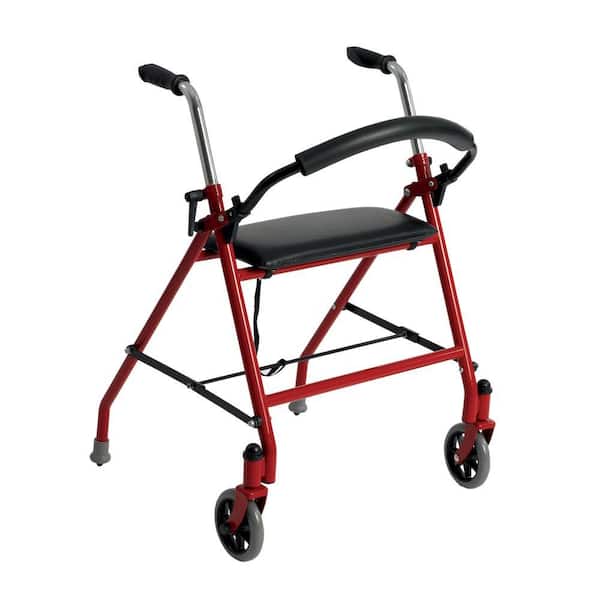
“Drive Medical 2-Wheeled Walker with …” from www.homedepot.com and used with no modifications.
Exploring Walkers with Seats for Seniors Over 60
As we age, maintaining mobility becomes increasingly important. For seniors over 60, walkers with seats, often called rollators, provide not only the support needed to move around but also the convenience of a built-in seat for resting. These mobility aids are a game-changer for many, offering a blend of stability, comfort, and independence.
In this article, I’ll guide you through the essential aspects of walkers with seats, helping you understand the benefits, types, and features to consider when choosing the right one for yourself or a loved one.
Benefits of Walkers for Seniors
Walkers serve as a crucial support system for seniors, particularly those experiencing balance issues or recovering from surgery. By providing stability, they reduce the risk of falls, which is a common concern among older adults. Most importantly, walkers help maintain a level of independence, allowing seniors to perform daily activities without constant assistance.
Besides that, walkers encourage physical activity, which is vital for overall health. Walking with the aid of a walker can improve cardiovascular health, enhance muscle strength, and promote better mental health by encouraging social interactions.
Advantages of Walkers with Seats
Walkers with seats offer several advantages over traditional walkers. The primary benefit is the built-in seat, which allows users to rest whenever necessary. This feature is especially beneficial for those who tire easily or have conditions that limit their endurance. Having a seat readily available provides peace of mind and encourages users to venture out more often, knowing they can rest when needed.
Additionally, many rollators come equipped with storage compartments, such as baskets or pouches, making it easier to carry personal items or shopping bags. This convenience means seniors can enjoy outings without worrying about how to transport their belongings.
Common Concerns and Solutions
Despite their benefits, some seniors may have concerns about using walkers with seats. Common worries include the weight of the walker, difficulty in maneuvering, and ensuring it fits in various environments, such as narrow hallways or small apartments.
To address these concerns, it’s crucial to choose a walker that fits the user’s lifestyle and physical capabilities. Opt for lightweight models if lifting the walker is a challenge, and consider those with adjustable features for better maneuverability. Most importantly, test the walker in different settings to ensure it meets all spatial requirements. For more guidance, check out best walkers for seniors to make an informed decision.
Types of Walkers with Seats
Understanding the different types of walkers with seats is essential in making an informed decision. Each type offers unique benefits tailored to specific needs, so let’s explore the most common options available.

“4288 STAR 8 Rollator Walker, 8″ Wheels …” from www.monroemedicalsupplies.com and used with no modifications.
Standard Rollator Walkers
Standard rollator walkers are the most common type and typically feature four wheels, a seat, and hand brakes. These walkers are designed for easy maneuverability and provide excellent support for daily activities. They are ideal for seniors who require moderate assistance with balance and stability.
Standard rollators often come with additional features such as a storage basket, adjustable handle heights, and foldable frames for easy transport. When choosing a standard rollator, consider the size of the wheels, as larger wheels can provide better stability on uneven surfaces. For more guidance, check out best walkers for seniors.

“Adjustable Height Rolling Walker with …” from www.elenkerwalker.com and used with no modifications.
Key Features to Consider
When selecting a walker with a seat, it’s essential to focus on specific features that can enhance the user’s experience. These features ensure not only comfort but also safety and ease of use. For a broader perspective on mobility aids, you can explore some affordable senior mobility products that support wellness. Let’s delve into the crucial elements to keep in mind.
Adjustability and Comfort
Adjustability is a top priority when choosing a walker. The ability to adjust the handle height ensures that the walker fits the user’s stature, promoting proper posture and reducing strain on the back and shoulders. Comfort also extends to the seat itself. Look for seats that are cushioned and wide enough to sit comfortably. Some models even offer backrests for additional support.
Weight Capacity and Durability
It’s important to consider the weight capacity of the walker to ensure it can safely support the user. Most standard rollators can handle up to 250 pounds, but bariatric models are available for those who require additional support. Durability is equally important. Choose walkers made from sturdy materials like aluminum or steel, which can withstand regular use and various terrains. For more insights on mobility aids, you might find this article on post-surgery recovery grabber tools helpful.
Brake Systems and Safety
Safety features, such as reliable brake systems, are critical. Walkers with seats typically have hand brakes similar to those on bicycles. These brakes should be easy to use and responsive to ensure the user can stop quickly when needed. Test the brakes before purchasing to ensure they are intuitive and provide the necessary security.
Additionally, some walkers come with locking brakes, which can be engaged when sitting. This feature prevents the walker from moving unexpectedly while the user is seated, offering added peace of mind.
Storage and Portability
Storage and portability are essential considerations, especially for those who travel frequently or have limited space at home. Look for walkers that fold easily for storage in a car trunk or closet. Models with removable storage baskets or pouches can offer flexibility in carrying personal items without adding bulk to the walker itself.
How to Choose the Right Walker
Choosing the right walker with a seat requires a thoughtful approach to match the device to the user’s needs. Here’s how to make the best choice:
Matching Walker Features to Personal Needs
Consider the user’s lifestyle and specific mobility needs. For someone who enjoys outdoor activities, a walker with larger wheels and robust construction might be necessary. Conversely, for indoor use, a more compact model could be more appropriate. It’s also wise to consider any additional features that might be beneficial, such as a built-in cane holder or an oxygen tank attachment.
Budget Considerations and Price Guide
Walkers with seats vary widely in price, typically ranging from $100 to $500, depending on features and quality. Set a budget that reflects the user’s needs without compromising on essential features. While it’s tempting to opt for the cheapest option, investing in a high-quality walker can provide better long-term value and reliability.
Researching and comparing different models can help you find a walker that offers the best balance between cost and functionality. Look for reviews and testimonials from other users to gauge the real-world performance of each model.
Enhancing Mobility Safely and Comfortably
Using a walker with a seat can significantly enhance a senior’s mobility, making daily tasks more manageable and enjoyable. To maximize the benefits, it’s essential to use the walker correctly and safely.
Ensure the user is trained on how to operate the walker, especially the brake systems. Encourage them to take regular breaks and use the seat when needed to avoid fatigue. Most importantly, remind them to maintain a proper walking posture to prevent strain and injury.
By choosing the right walker and using it effectively, seniors can enjoy greater independence and an improved quality of life.
Using Walkers to Prevent Falls
Falls are a significant concern for seniors, often leading to injuries and a loss of independence. Walkers with seats provide a stable support system, reducing the likelihood of falls. They offer a steady base for walking, allowing users to maintain balance while moving around. The seat serves as a convenient resting point, reducing fatigue and preventing accidents caused by overexertion.
Moreover, the presence of hand brakes ensures that users can control their speed and stop safely. It’s crucial to familiarize oneself with the walker’s brake system to maximize safety. Practicing how to use the brakes effectively can help prevent falls, especially on slopes or uneven surfaces.
For those who live in homes with stairs, it’s advisable to use the walker only on flat surfaces. Installing railings or using stair lifts can provide additional safety when navigating steps. Most importantly, always ensure the walker is in good condition, checking for any loose parts or malfunctioning brakes regularly.
- Choose a walker with a reliable brake system.
- Ensure the walker fits your height to maintain proper posture.
- Regularly inspect the walker for any maintenance needs.
- Use the seat for resting to prevent fatigue-related falls.
- Avoid using the walker on stairs or uneven surfaces.
Maintaining Independence with Walkers
Walkers with seats are not just about mobility; they are about maintaining independence. For many seniors, the ability to move freely without relying on others is a source of pride and autonomy. Walkers empower seniors to engage in daily activities, from shopping to visiting friends, without the fear of losing balance or needing constant assistance.
Conclusion: Choosing the Best Walker for You
Selecting the right walker with a seat is a personal decision that depends on individual needs and lifestyle. It’s essential to consider factors such as adjustability, weight capacity, and the intended use of the walker. By focusing on these key features, seniors can find a walker that not only meets their mobility needs but also enhances their quality of life.
Remember, a good walker should fit comfortably, be easy to maneuver, and offer the necessary support for everyday activities. Investing time in researching different models and trying them out can lead to a more satisfying purchase.
Ultimately, the best walker is one that aligns with your mobility goals, whether it’s maintaining independence, improving balance, or simply making daily tasks more manageable.
- Match the walker’s features to your specific needs.
- Consider the walker’s weight capacity and durability.
- Test the walker in various environments to ensure it suits your lifestyle.
- Read reviews and seek recommendations from healthcare professionals.
- Ensure the walker’s price aligns with your budget without compromising on quality.
By following these guidelines, you can confidently choose a walker that supports your journey to improved mobility and independence.
Frequently Asked Questions (FAQ)
Choosing the right walker involves understanding various aspects of its use and functionality. Here are some frequently asked questions to help guide your decision-making process.
“A rollator is a walker with four wheels that is designed to provide you with extra support and stability whilst walking. The seat on a rollator is just for sitting whilst you are stationary, in case you need a rest on your walk.”
Understanding this distinction is crucial for selecting the appropriate walker for your needs.
What Are the Different Types of Walkers Available for Seniors?
Seniors can choose from several types of walkers, including standard rollators, three-wheel walkers, four-wheel walkers, and bariatric models. Each type caters to different mobility needs and preferences, offering various features like adjustable heights, seats, and storage options.
How Do I Ensure a Walker Fits Me Correctly?
To ensure a proper fit, adjust the walker’s handles to match your wrist height when standing upright. This alignment helps maintain good posture and reduces strain on your back and shoulders. When sitting, your feet should rest flat on the ground, with your knees bent at a comfortable angle.
Consulting with a healthcare professional or physical therapist can provide additional guidance on fitting a walker to your specific body measurements and mobility requirements.
What Are the Benefits of Walkers with Seats?
Walkers with seats offer several benefits, including increased mobility, enhanced stability, and the convenience of resting whenever needed. They encourage physical activity and independence, allowing seniors to engage in social and daily activities with confidence.
- Provides a stable walking aid with a built-in seat for resting.
- Encourages independence and social engagement.
- Includes features like storage baskets for added convenience.
- Offers adjustable heights for personalized comfort.
- Enhances safety with reliable brake systems.
These benefits make walkers with seats a valuable tool for improving the quality of life for seniors. Additionally, exploring fitness equipment options for seniors can further enhance their mobility and well-being.
Can Walkers Help with Post-Surgery Recovery?
Yes, walkers can be instrumental in post-surgery recovery by providing the necessary support to regain mobility. They help patients maintain balance and reduce the risk of falls during the recovery period. It’s important to consult with a healthcare provider to ensure the walker is suitable for your specific recovery needs.
Using a walker as part of a rehabilitation plan can speed up the recovery process by allowing patients to engage in gentle physical activity while ensuring safety and support.
Are Rollator Walkers Suitable for Indoor and Outdoor Use?
Rollator walkers are versatile and can be used both indoors and outdoors. However, it’s important to choose a model with appropriate wheel size and durability for outdoor terrain. Larger wheels are better suited for uneven surfaces, while smaller wheels are ideal for indoor use.
When using a rollator outdoors, ensure the brake system is responsive and the walker is stable enough to handle different surfaces. Regular maintenance, such as checking the wheels and brakes, will ensure it remains safe and functional in various environments.
Ultimately, the right rollator walker can enhance mobility both inside and outside the home, providing seniors with the freedom to explore their surroundings safely and comfortably.
For seniors, maintaining mobility and independence is crucial. One way to achieve this is by using mobility aids like walkers with seats. These devices provide support and convenience, allowing older adults to rest when needed. It’s essential to choose the right walker that suits individual needs and preferences. Additionally, understanding the benefits of different mobility aids can enhance the quality of life for seniors. For more insights on mobility aids, check out this article on mobility aid benefits.




Leave a Reply