
Key Takeaways
- Omega-3 fatty acids found in salmon and sardines can reduce joint inflammation and morning stiffness by up to 30% in adults over 60.
- Eating at least 5 servings of colorful fruits and vegetables daily provides antioxidants that fight the oxidative stress causing joint deterioration.
- Staying properly hydrated is crucial as joint cartilage is approximately 80% water, with dehydration being a common but overlooked cause of joint stiffness.
- Collagen-boosting foods like bone broth and vitamin C-rich citrus fruits can help rebuild joint cartilage that naturally deteriorates with age.
- Eliminating refined sugars and processed foods from your diet can significantly reduce inflammatory markers in the bloodstream within just 2-3 weeks.

Joint Stiffness After 60: Why It Happens and What You Can Do
That morning stiffness you feel isn’t just in your head. As we age, our joints naturally lose flexibility due to several biological factors that accelerate after age 60. The synovial fluid that lubricates your joints becomes less abundant, while cartilage thins and loses its elasticity through years of use. Meanwhile, inflammation increases as the immune system changes with age, creating a perfect storm for joint discomfort. The good news? What you eat plays a remarkably powerful role in either accelerating or slowing down this process.
Diet is an important—and often overlooked—piece in the complex puzzle of joint care. Research shows that an eating plan centered on inflammation reduction can lessen joint pain in much the same way over-the-counter NSAIDs do, but without the potential side effects that become more concerning as we age. What’s more, certain nutrients actively support the body’s natural repair mechanisms, helping to maintain and even improve joint flexibility when consumed consistently.
The Mediterranean diet has emerged as particularly beneficial for aging joints, with studies showing participants experience measurable improvements in morning stiffness, range of motion, and pain levels after just 12 weeks. This eating pattern emphasizes many of the specific foods we’ll explore in detail, working together to create a comprehensive approach to joint health rather than a quick fix. By understanding which foods support joint flexibility and which accelerate deterioration, you can make informed choices that keep you moving comfortably for years to come.
6 Best Anti-Inflammatory Foods for Flexible Joints
Inflammation is the primary driver of joint discomfort and reduced flexibility as we age. By incorporating specific anti-inflammatory foods into your daily meals, you can naturally reduce this inflammation and experience more comfortable movement. Think of these foods as nature’s medicine cabinet for your joints—working quietly but effectively to maintain mobility and reduce discomfort.
- Fatty fish rich in omega-3 fatty acids
- Colorful berries packed with antioxidants
- Extra virgin olive oil containing oleocanthal
- Nuts and seeds with beneficial plant compounds
- Cruciferous vegetables and leafy greens
- Spices like turmeric and ginger with potent anti-inflammatory properties
1. Fatty Fish Rich in Omega-3s
Cold-water fatty fish tops the list of foods that combat joint inflammation. Salmon, sardines, mackerel, and trout contain high levels of EPA and DHA—specific types of omega-3 fatty acids that reduce the production of inflammatory proteins in your body. Research has demonstrated that these omega-3s help reduce joint swelling, decrease morning stiffness duration, and lower overall disease activity in people with inflammatory joint conditions. For maximum benefit, aim to include at least two 4-ounce servings of fatty fish in your weekly meal plan.
If you don’t enjoy the taste of fish, high-quality fish oil supplements can provide similar benefits. Studies show that taking 600 to 1,000 mg of fish oil daily eases joint stiffness, tenderness, pain, and swelling. For those concerned about sustainability or following plant-based diets, algal oil provides a direct source of DHA that bypasses the fish entirely. Whichever source you choose, consistency is key—these beneficial fats need to build up in your system over time to provide maximum joint-protecting benefits.
2. Berries and Colorful Fruits
Berries aren’t just delicious—they’re packed with anthocyanins, powerful antioxidants that reduce inflammation and protect your joints from oxidative damage. Blueberries, strawberries, blackberries, and cherries consistently rank highest in antioxidant capacity, with tart cherries showing particular promise for joint health. One study found that women who consumed 16 ounces of tart cherry juice daily for three weeks experienced a significant reduction in markers of inflammation and reported less joint pain after exercise.
Beyond berries, citrus fruits like oranges, grapefruits, and limes provide abundant vitamin C, which plays a dual role in joint health. First, it fights inflammation directly as an antioxidant. Second, it’s essential for collagen production—the main protein that forms your joint cartilage. Research shows that getting sufficient vitamin C helps prevent inflammatory arthritis and maintains healthy joints as you age. For optimal benefits, aim for at least two servings of these colorful fruits daily, preferably consumed whole rather than as juice to maintain their fiber content and prevent blood sugar spikes that can contribute to inflammation. For additional ways to maintain flexibility and balance, consider incorporating senior yoga poses into your routine.
3. Extra Virgin Olive Oil
Extra virgin olive oil contains a compound called oleocanthal that has similar anti-inflammatory effects to ibuprofen, but without the potential digestive side effects that can be particularly problematic for seniors. This natural compound blocks the same inflammatory enzymes as NSAIDs, helping to reduce joint pain and stiffness. Research published in the International Journal of Molecular Sciences found that the regular consumption of high-quality olive oil significantly reduced inflammatory markers in older adults with joint conditions. Additionally, turmeric benefits have also been shown to alleviate joint pain, making it a complementary option for seniors.
The key is choosing the right olive oil. Look for bottles labeled “extra virgin” and with a harvest date within the past year for maximum anti-inflammatory benefits. The fresher the oil, the higher its oleocanthal content will be. Aim to consume 2-3 tablespoons daily, using it as your primary cooking oil for low-heat cooking, drizzling it over vegetables, or using it as a base for homemade salad dressings. The monounsaturated fats in olive oil also help your body absorb other fat-soluble nutrients that benefit joint health, creating a synergistic effect with other foods in your diet.
4. Nuts and Seeds
Walnuts, almonds, flaxseeds, and chia seeds provide plant-based omega-3 fatty acids called alpha-linolenic acid (ALA) that can help reduce joint inflammation. While not as potent as the EPA and DHA found in fish, these plant sources still offer significant benefits, especially when consumed regularly. Walnuts in particular have been shown to reduce inflammatory markers like C-reactive protein in clinical studies, while also providing protein and other nutrients that support overall joint health.
Seeds offer another dimension of joint benefits through their high mineral content. Pumpkin seeds are rich in magnesium, which relaxes muscles surrounding joints and helps prevent calcium from being deposited in soft tissues. Sunflower seeds provide vitamin E, a powerful antioxidant that protects joint cells from oxidative damage. A daily handful (about 1/4 cup) of mixed nuts and seeds makes an excellent snack that directly supports joint flexibility and comfort. Just be sure to choose raw or dry-roasted versions without added oils or salt for maximum benefit.
5. Leafy Greens and Cruciferous Vegetables
Dark leafy greens like spinach, kale, and collard greens contain high levels of vitamins A, C, and K, all of which play crucial roles in joint health and flexibility. Vitamin K is particularly important for aging joints, with research showing that people with higher vitamin K intake have significantly fewer osteoarthritis symptoms. One study found that eating vitamin K-rich vegetables dramatically reduced inflammatory markers in the blood and improved joint function in participants over 60. For those interested in complementary practices, senior yoga poses can also enhance joint flexibility and balance.
Cruciferous vegetables including broccoli, Brussels sprouts, and cabbage contain a compound called sulforaphane that blocks enzymes linked to joint destruction. In laboratory studies, sulforaphane has been shown to slow cartilage deterioration and reduce inflammation in joint tissues. Aim for at least 1-2 cups of these powerful vegetables daily, either raw in salads or lightly steamed to preserve their nutrient content. For those who find raw vegetables difficult to digest, consider lightly cooking them and adding a small amount of olive oil to increase absorption of their fat-soluble nutrients.
6. Turmeric and Ginger
Turmeric contains curcumin, a compound with remarkable anti-inflammatory properties that has been extensively studied for joint health. Multiple clinical trials have found that curcumin supplementation reduces joint pain and improves function in people with joint conditions, in some cases performing as well as certain prescription medications. Adding black pepper to turmeric significantly increases curcumin absorption—even a small pinch can boost bioavailability by up to 2,000%.
Ginger works through similar pathways as turmeric but provides different active compounds that can reduce joint pain and improve mobility. In one study, participants who consumed ginger extract twice daily experienced significant reductions in knee pain when standing and after walking. Fresh ginger can be added to stir-fries, smoothies, or steeped as tea, while dried ginger works well in baking and spice blends. For joint health benefits, aim to include at least one teaspoon of these golden spices in your daily diet, either in cooking or as a supplement if preferred.
Collagen-Boosting Foods Your Joints Need Daily
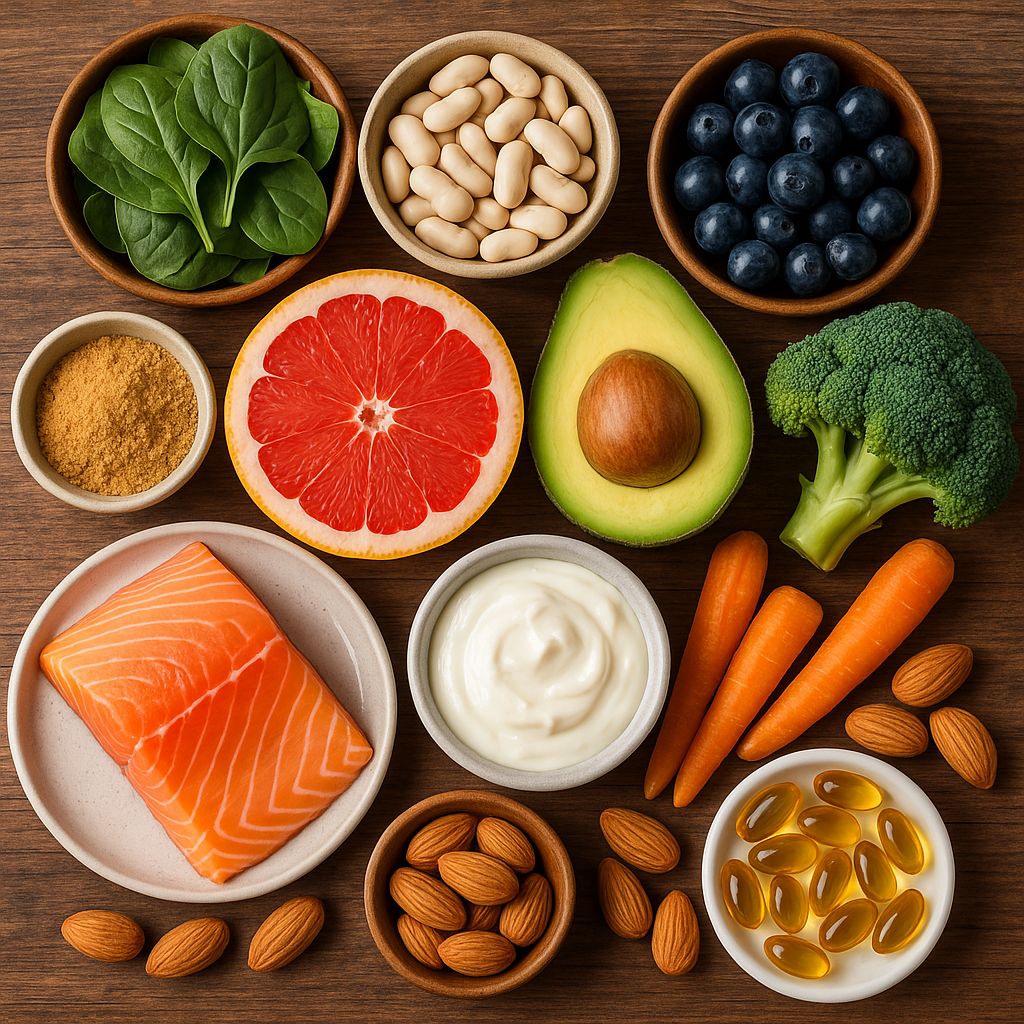
While fighting inflammation is essential, supporting your body’s natural cartilage repair processes is equally important for maintaining joint flexibility after 60. Collagen is the main structural protein in your joint cartilage, and its production naturally declines with age. Fortunately, specific foods can help stimulate collagen synthesis and slow its breakdown, directly supporting the structural integrity of your joints.
Bone Broth Benefits for Aging Joints
Bone broth has gained popularity as a traditional remedy for joint health, and modern research is beginning to validate this ancient wisdom. Slowly simmered bones release collagen, glucosamine, chondroitin, and other compounds that serve as building blocks for your own joint tissues. These components aren’t just present in bone broth—they’re in a highly bioavailable form that your body can easily absorb and utilize for joint repair. For those seeking additional natural remedies, turmeric benefits for seniors with joint pain can be a complementary approach.
For maximum joint benefits, look for bone broth made from grass-fed animals and simmered for at least 24 hours to fully extract the beneficial compounds. Aim to consume 8-12 ounces daily, either as a warm beverage or used as a base for soups and stews. If making your own, add a tablespoon of apple cider vinegar during cooking to help extract more minerals from the bones. The gelatin in bone broth also supports gut health, which is increasingly recognized as important for reducing systemic inflammation that can affect joints. Additionally, consider exploring turmeric benefits for joint pain as part of your dietary regimen.
Vitamin C-Rich Foods That Support Collagen Production
Vitamin C is absolutely essential for collagen synthesis, serving as a co-factor in the biochemical reactions that create new collagen molecules. Without adequate vitamin C, your body simply cannot produce the collagen needed for healthy joint cartilage. Citrus fruits like oranges and grapefruits are well-known sources, but bell peppers, strawberries, kiwi, and broccoli actually contain even higher concentrations of this vital nutrient.
Research shows that people with higher vitamin C intake have a 30% lower risk of cartilage loss and disease progression in osteoarthritis. For optimal joint health, aim for at least 200-500 mg of vitamin C daily from food sources, which equates to about 2-3 servings of vitamin C-rich foods. Unlike supplements, whole foods provide vitamin C in its natural form alongside other beneficial compounds that work synergistically to support joint health. If you struggle to get enough from diet alone, a supplement can help bridge the gap, particularly for those over 70 who often have increased needs.
Protein Requirements for Joint Health After 60
Adequate protein intake becomes increasingly important for joint health as we age. After 60, the body becomes less efficient at utilizing protein, requiring higher amounts to maintain the same level of tissue repair and maintenance. Your joints rely on sufficient protein to create new cartilage, synovial fluid, and the surrounding support structures like tendons and ligaments. Without enough protein, joint recovery and maintenance processes slow dramatically. For those looking to maintain flexibility and balance, incorporating senior yoga poses can be beneficial alongside a protein-rich diet.
Quality matters as much as quantity when it comes to protein for joint health. Complete proteins containing all essential amino acids should be prioritized, including fish, poultry, eggs, and dairy for omnivores, or thoughtful plant combinations for vegetarians. Research suggests adults over 60 should aim for 1.0-1.2 grams of protein per kilogram of body weight daily, with this amount spread throughout the day rather than concentrated in a single meal. For a 150-pound person, this translates to approximately 70-80 grams of protein daily—significantly higher than the standard recommendation for younger adults.

Hydration and Joint Health: More Than Just Water
The connection between hydration and joint flexibility is often overlooked, yet it’s one of the simplest ways to improve joint comfort. Cartilage is approximately 80% water, acting as a cushion and shock absorber between bones. When properly hydrated, this cartilage remains plump and elastic, allowing for smooth, pain-free movement. Dehydration, even mild, can compromise this cushioning effect and exacerbate joint stiffness. For additional ways to maintain flexibility, consider exploring senior yoga poses that promote balance and joint health.
How Dehydration Affects Joint Flexibility
When your body lacks adequate water, it prioritizes essential functions and begins to pull water from less critical areas—including your joints. This water redistribution leaves joint cartilage thinner and less resilient, increasing friction between joint surfaces and potentially accelerating wear and tear. The synovial fluid that lubricates your joints also becomes less abundant and more concentrated when you’re dehydrated, further compromising smooth movement.
Studies show that even mild dehydration—as little as 1-2% of body weight—can increase joint discomfort and reduce flexibility. This level of dehydration often occurs before you even feel thirsty, which is why proactive hydration is essential, especially for adults over 60 whose thirst sensation naturally diminishes with age. Morning stiffness, one of the most common joint complaints among seniors, is often exacerbated by overnight dehydration and can be significantly improved by proper fluid intake throughout the day.
Best Drinks for Joint Hydration
Water remains the gold standard for joint hydration, but certain beverages offer additional benefits beyond simple hydration. Green tea contains polyphenols that have been shown to reduce inflammation and protect cartilage from degradation. Studies suggest drinking 3-4 cups daily provides measurable improvements in joint comfort and flexibility for many seniors. Just be mindful of caffeine content if you’re sensitive to its effects.
Tart cherry juice deserves special mention for joint health, with research showing it reduces inflammation markers and oxidative stress while improving recovery from joint strain. One study found that participants who drank 10.5 ounces of tart cherry juice twice daily for three weeks experienced significant reductions in markers of inflammation and reported less joint pain. Coconut water provides natural electrolytes that help maintain proper fluid balance in and around joints, while herbal teas like ginger and turmeric offer additional anti-inflammatory compounds. Aim for 8-10 cups of total fluids daily, primarily from these beneficial sources while avoiding dehydrating beverages like alcohol and excessive caffeine.

Foods That Damage Joint Flexibility
Just as certain foods can improve joint health, others can trigger inflammation and accelerate joint deterioration. Eliminating or reducing these problematic foods can be just as important as adding beneficial ones, creating the dietary space for healing and improved flexibility. Many people report dramatic improvements in joint comfort within weeks of removing these inflammatory triggers from their diet.
Refined Sugar’s Impact on Joint Inflammation
Few dietary components are as directly damaging to joint health as refined sugar. When consumed, sugar triggers the release of inflammatory cytokines and creates advanced glycation end products (AGEs) that damage joint tissues and accelerate cartilage breakdown. Studies show that even a single high-sugar meal can increase inflammatory markers within hours, with effects lasting far longer in older adults whose bodies are less efficient at processing sugar.
The average American consumes approximately 17 teaspoons of added sugar daily—far exceeding the American Heart Association’s recommendation of no more than 6 teaspoons for women and 9 for men. Hidden sugars in processed foods, condiments, and beverages make it easy to consume excessive amounts without realizing it. For improved joint flexibility, aim to eliminate obvious sources like sodas, candies, and desserts while becoming vigilant about checking labels for hidden sugars in unexpected places like pasta sauce, salad dressings, and “healthy” breakfast cereals. To learn more about how diet can impact joint health, consider exploring foods that help relieve joint pain.
Processed Foods to Avoid
Ultra-processed foods typically contain advanced glycation end products (AGEs) that directly contribute to joint inflammation and cartilage degradation. These harmful compounds form when foods are processed at high temperatures and increase oxidative stress in the body. Packaged snack foods, frozen meals, and fast food are particularly problematic, often combining multiple joint-damaging ingredients in a single serving. To maintain flexibility and balance, consider incorporating practices like senior yoga poses into your routine.
Trans fats, though less common than in previous decades, still lurk in many processed foods and are particularly damaging to joint health. They trigger systemic inflammation that can manifest as increased joint pain and stiffness. Even foods labeled “0g trans fat” may contain up to 0.5 grams per serving due to labeling regulations. Look for “partially hydrogenated oils” on ingredient lists as a red flag for hidden trans fats. Replacing processed convenience foods with whole food alternatives represents one of the most significant dietary changes you can make for improved joint flexibility after 60. For additional ways to maintain a healthy lifestyle, consider exploring 7 daily habits for a sharper senior mind.
Hidden Inflammatory Ingredients in Common Foods
Many seemingly innocuous ingredients can trigger inflammatory responses that affect joint comfort and flexibility. Artificial sweeteners, particularly aspartame, have been linked to increased inflammation in sensitive individuals. Food additives like MSG, artificial colors, and preservatives like BHA and BHT can trigger inflammatory responses in susceptible people, with effects often more pronounced in older adults whose detoxification systems are less efficient. For those looking to maintain flexibility, incorporating practices like senior yoga poses can be beneficial.
Vegetable and seed oils high in omega-6 fatty acids—including corn, soybean, sunflower, and safflower oils—contribute to inflammation when consumed in excess relative to omega-3s. These oils are ubiquitous in restaurant foods and packaged products, creating an imbalanced fatty acid profile that promotes inflammation. Replacing these with olive oil, avocado oil, or coconut oil for home cooking can significantly improve your omega-6:omega-3 ratio and reduce joint inflammation. Reading ingredient lists carefully and preparing more meals at home allows you to avoid these hidden inflammatory triggers and create a truly joint-supportive diet.
Simple Meal Plan for Maximum Joint Flexibility
Transforming your diet for better joint health doesn’t require complicated recipes or exotic ingredients. By focusing on anti-inflammatory whole foods and establishing simple meal patterns, you can create sustainable eating habits that support joint flexibility for years to come. The meal ideas below incorporate the key joint-supporting foods we’ve discussed while eliminating inflammatory triggers. For more information on how specific ingredients can help, consider the benefits of turmeric for joint pain.
Breakfast Options That Support Joint Health
Start your day with an anti-inflammatory powerhouse by topping plain Greek yogurt with fresh berries, walnuts, and a drizzle of raw honey. This combination provides protein for cartilage repair, antioxidants from berries, omega-3s from walnuts, and natural sweetness without refined sugar. For variety, try overnight oats soaked in almond milk with chia seeds, cinnamon, and chopped apples—providing soluble fiber that helps reduce inflammation alongside joint-supporting nutrients.
A vegetable-forward approach to breakfast can be particularly beneficial for joint health. Consider a Mediterranean-inspired vegetable omelet with spinach, bell peppers, and a small amount of feta cheese, cooked in olive oil and seasoned with turmeric and black pepper. This provides a potent combination of protein, anti-inflammatory compounds from vegetables and spices, and beneficial fats from olive oil. For those who prefer a quick option, a smoothie made with unsweetened almond milk, frozen cherries, a handful of spinach, a tablespoon of ground flaxseed, and a scoop of collagen peptides offers comprehensive joint support in a convenient form.
Joint-Friendly Lunch and Dinner Ideas
Build meals around fatty fish like salmon, abundant vegetables, and anti-inflammatory herbs and spices. A simple sheet pan dinner of baked salmon with roasted Brussels sprouts, sweet potatoes, and red onions tossed in olive oil and seasoned with garlic and rosemary provides multiple joint-supporting compounds in a single meal. For variety, try Mediterranean-style sardines on a bed of arugula with white beans, cherry tomatoes, and an olive oil-lemon dressing for a lunch that’s rich in omega-3s and antioxidants.
For vegetarian options that still support joint health, consider a hearty vegetable and bean soup made with bone broth (or vegetable broth enhanced with sea vegetables for vegetarians), seasonal vegetables, and herbs like thyme and oregano. Serve with a small portion of whole grains like quinoa or farro for complete protein. Alternatively, a colorful Buddha bowl with roasted vegetables, avocado, cooked lentils, and a tahini-turmeric dressing provides plant-based anti-inflammatory nutrition that supports joint flexibility. These meals can be batch-cooked and enjoyed throughout the week for convenient, joint-supportive nutrition.
Healthy Snacks for Between Meals
Strategic snacking can help maintain steady energy levels while providing additional nutrients that support joint health. A small handful of mixed nuts and seeds (particularly walnuts and pumpkin seeds) provides beneficial fats and minerals that support joint function. Fresh vegetable crudités with a homemade turmeric-enhanced hummus delivers anti-inflammatory compounds alongside fiber that helps reduce systemic inflammation.
For a sweet option that won’t trigger joint inflammation, try apple slices with a tablespoon of almond butter, or a small piece of 70%+ dark chocolate, which contains flavanols that help reduce oxidative stress. Green tea with a slice of fresh ginger makes an excellent mid-afternoon beverage that combines hydration with anti-inflammatory compounds. These simple snack options keep blood sugar stable while providing additional joint-supporting nutrients between main meals.
Supplements That Complement a Joint-Healthy Diet
While food should always be your first medicine for joint health, strategic supplementation can help fill nutritional gaps and provide therapeutic amounts of certain compounds. The supplements discussed below have substantial research supporting their benefits for joint flexibility and comfort, particularly for adults over 60 whose nutritional needs and absorption capabilities may be changing.
Glucosamine and Chondroitin: Do They Work?
Glucosamine and chondroitin remain among the most widely used supplements for joint health, with research showing mixed but generally positive results. These compounds are natural components of cartilage that may help slow its breakdown and potentially support its regeneration when taken as supplements. A landmark study called GAIT (Glucosamine/Chondroitin Arthritis Intervention Trial) found that while results varied among participants, those with moderate-to-severe joint pain experienced significant relief when taking the combination. Additionally, some seniors find turmeric beneficial for joint pain.
For best results, look for glucosamine sulfate rather than glucosamine hydrochloride, as the sulfate form has stronger research support. Typical effective dosages are 1,500mg of glucosamine sulfate and 1,200mg of chondroitin sulfate daily, often divided into multiple doses. These supplements require consistent use for 2-3 months before benefits become apparent, so patience is necessary when evaluating their effectiveness. As with any supplement, quality matters—choose products from reputable manufacturers that undergo third-party testing to ensure purity and potency. For those interested in overall wellness, incorporating senior yoga poses can also support joint health and flexibility.
Omega-3 Supplements: When Food Isn’t Enough
While fatty fish provides excellent omega-3 content, many adults don’t consume it regularly enough to maintain therapeutic levels in their tissues. High-quality omega-3 supplements can help bridge this gap, providing consistent amounts of EPA and DHA—the specific omega-3 fatty acids most beneficial for joint health. Research suggests that 2-3 grams of combined EPA and DHA daily can significantly reduce joint inflammation and improve comfort, with effects often noticeable within 2-4 weeks of consistent use.
When selecting an omega-3 supplement, look for products that specify the amount of EPA and DHA (not just total fish oil), have undergone third-party testing for contaminants like mercury, and include an antioxidant like vitamin E to prevent rancidity. For those who experience “fishy burps,” try enteric-coated capsules or refrigerated liquid formulas, which are often better tolerated. Vegan omega-3 supplements derived from algae are also available and provide direct sources of EPA and DHA without using fish as an intermediary source.
Pairing the Right Foods with Joint-Friendly Exercise
Nutrition and movement work synergistically to improve joint flexibility—neither is fully effective without the other. The right foods provide the building blocks and anti-inflammatory environment your joints need, while appropriate exercise maintains the strength of supporting muscles and promotes the flow of synovial fluid that lubricates your joints. Research shows that combining anti-inflammatory nutrition with joint-appropriate exercise leads to significantly better outcomes than either approach alone.
Low-impact activities like swimming, walking, cycling, and tai chi provide joint benefits without excessive stress. Try to incorporate these movements shortly after consuming anti-inflammatory foods for maximum benefit. For example, a morning walk after your turmeric-infused green tea or afternoon swim following a lunch rich in omega-3s allows your body to distribute nutrients to working joints while the anti-inflammatory compounds are at peak levels in your bloodstream. Remember that consistency matters more than intensity—gentle daily movement paired with joint-supporting nutrition yields better long-term results than sporadic intense exercise, which may actually increase inflammation if your diet isn’t optimized for recovery. For those interested in enhancing flexibility and balance, consider exploring senior yoga poses as part of your routine.
Start Today: Easy Food Swaps for Better Joint Health
Rather than overhauling your entire diet at once, small strategic swaps can make a significant difference in joint health while being sustainable long-term. Replace vegetable oils with extra virgin olive oil for cooking and salad dressings; swap sugary desserts for berries with a dollop of Greek yogurt; choose fatty fish instead of red meat for two meals weekly; replace soda with green or turmeric tea; and substitute bone broth for regular stock in soups and recipes. These simple changes require minimal effort yet target the most impactful dietary factors for joint flexibility after 60, allowing you to experience noticeable improvements while gradually adapting to a more comprehensive joint-supporting eating pattern.
Frequently Asked Questions
As you consider making dietary changes to support joint flexibility, you likely have questions about specifics, timelines, and personalization. The following questions address the most common concerns people have when adopting a joint-healthy eating plan, with evidence-based answers to help you navigate your journey toward improved mobility and comfort.
How quickly can dietary changes improve joint flexibility?
Many people notice initial improvements in joint comfort within 2-3 weeks of consistent dietary changes, particularly when eliminating inflammatory triggers like refined sugar and processed foods. These early benefits typically manifest as reduced morning stiffness and less discomfort during movement rather than dramatic changes in range of motion. The inflammatory response to dietary triggers is relatively quick to subside once those triggers are removed from your diet. For those interested in enhancing flexibility, exploring senior yoga poses can also be beneficial.
More substantial improvements in actual joint flexibility and range of motion generally require 2-3 months of consistent nutrition support. This longer timeline reflects the natural turnover rate of cartilage cells and the time needed for structural improvements to occur. A study published in the Journal of Nutrition in Gerontology found that participants following an anti-inflammatory Mediterranean diet experienced significant improvements in joint flexibility measurements after 12 weeks, with benefits continuing to accumulate through the 6-month follow-up. For those interested in additional methods to enhance flexibility, exploring senior yoga poses can also be beneficial.
Patience and consistency are essential—joint tissues respond more slowly to nutritional interventions than other body systems, especially after age 60 when cellular regeneration naturally slows. Many people find keeping a simple joint comfort journal helps them recognize gradual improvements that might otherwise go unnoticed in day-to-day life.
Timeline for Joint Improvement Through Diet
Improving joint health through diet is a gradual process that requires consistent effort. Incorporating foods rich in omega-3 fatty acids, such as fish, can significantly benefit joint health. For more information on the benefits of omega-3, check out this article on omega-3 fish oil.
2-3 weeks: Reduced inflammation, less morning stiffness
1-2 months: Decreased pain, improved comfort during movement
3-4 months: Measurable improvements in range of motion
6+ months: Structural improvements in joint tissues, cumulative benefits
Can certain foods actually make joint pain worse?
Yes, several foods have been strongly linked to increased joint inflammation and discomfort in clinical studies and patient reports. Refined sugar tops the list, creating advanced glycation end products (AGEs) that directly damage joint tissues while triggering inflammatory cascades throughout the body. Processed meats containing nitrates and preservatives have been shown to increase inflammatory markers that affect joint comfort, while foods fried in reused oils introduce compounds called acrylamides that accelerate oxidative damage to joint tissues. For many people, eliminating these inflammatory triggers produces more immediate joint comfort than adding beneficial foods, highlighting the importance of not just adding good foods but removing problematic ones from your diet. For more information on how diet impacts joint health, check out this article from Cleveland Clinic.
Should I eliminate dairy products for better joint health?
The relationship between dairy and joint health is highly individualized. While some people experience significant improvements in joint comfort after eliminating dairy, research doesn’t support a universal recommendation for everyone to avoid these foods. For those with specific sensitivities or diagnosed conditions like rheumatoid arthritis, dairy proteins may trigger inflammatory responses that affect joints. However, for many others, particularly those concerned about bone density (which directly impacts joint health), high-quality dairy can provide beneficial calcium, vitamin D, and protein. If you suspect dairy may be affecting your joints, consider a 3-week elimination followed by careful reintroduction while monitoring symptoms. Pay particular attention to the quality of dairy products—choosing organic, grass-fed sources when possible—as the inflammatory potential may be lower in these minimally processed options.
Are there specific foods that help with knee pain specifically?
Knee joints bear more weight and experience different mechanical stresses than other joints, making certain nutritional strategies particularly relevant. Foods rich in collagen and collagen-supporting nutrients show particular promise for knee comfort, as the knee contains abundant collagen-rich structures. Bone broth, chicken skin (preferably from organic sources), and collagen supplements provide direct building blocks, while vitamin C from citrus fruits, bell peppers, and strawberries supports your body’s collagen synthesis. Additionally, adequate protein intake is crucial for maintaining the quadriceps muscles that support and stabilize the knee joint. For those with knee osteoarthritis, research suggests that foods rich in the antioxidant lutein (like spinach, kale, and egg yolks) may help preserve cartilage thickness and reduce progression of joint space narrowing, making these particularly valuable additions to a knee-supportive diet.
Can intermittent fasting help reduce joint inflammation?
Emerging research suggests intermittent fasting may indeed provide benefits for joint inflammation through multiple mechanisms. Fasting periods activate cellular cleaning processes called autophagy, which help remove damaged components from cells, including those in joint tissues. Studies show that various fasting protocols reduce systemic inflammation markers like C-reactive protein and inflammatory cytokines that directly impact joint comfort. For adults over 60, gentler approaches like time-restricted eating (limiting food intake to an 8-10 hour window daily) may provide anti-inflammatory benefits while being more sustainable than more restrictive fasting protocols. If considering intermittent fasting for joint health, it’s important to maintain adequate protein intake during eating windows and ensure you’re still consuming all the joint-supportive nutrients discussed earlier, just within a compressed timeframe. As with any significant dietary change, consulting with a healthcare provider is advisable, particularly for those with existing health conditions.
Keeping your joints flexible after 60 is not about finding a magic bullet, but rather about consistent nutrition choices that create an anti-inflammatory environment where your joints can maintain and even improve their function. By focusing on whole, unprocessed foods rich in omega-3s, antioxidants, and collagen-supporting nutrients while eliminating inflammatory triggers, you provide your body with the tools it needs for ongoing joint health.
Remember that individual responses to dietary changes vary based on genetics, current joint health, and overall lifestyle factors. What works dramatically for one person may produce more subtle effects for another. The key is consistency—these foods work gradually to create cumulative benefits that build over time. Think of joint-supporting nutrition not as a short-term intervention but as a lifestyle approach that maintains mobility and comfort for years to come.
For personalized guidance on optimizing your diet for joint health, consider consulting with a registered dietitian who specializes in anti-inflammatory nutrition and age-related concerns. They can help tailor these general recommendations to your specific needs, preferences, and health conditions.
FlexLife Joint Health provides personalized nutrition plans and supplement recommendations designed specifically for adults over 60 looking to maintain active, mobile lifestyles through evidence-based dietary approaches to joint health.
As we age, maintaining joint flexibility becomes crucial to ensure a good quality of life. Incorporating certain foods into your diet can significantly help in keeping your joints healthy. For instance, consuming omega-3 rich foods like salmon and walnuts can reduce inflammation and improve joint mobility. Additionally, leafy greens, berries, and nuts are excellent sources of antioxidants that protect joint tissues. For more detailed dietary recommendations, you can explore foods that relieve joint pain and keep them flexible.



Leave a Reply