
Key Takeaways
- Cognitive behavioral therapy for insomnia (CBT-I) is the gold standard treatment for seniors struggling with sleep problems, offering better long-term results than medication.
- Natural sleep remedies including proper sleep hygiene, relaxation techniques, and targeted bedroom modifications can significantly improve sleep quality for older adults.
- Age-related changes in sleep architecture are normal, but chronic insomnia is not an inevitable part of aging and can be effectively treated.
- Creating a consistent sleep schedule and bedtime routine helps regulate the body’s internal clock, which becomes increasingly important as we age.
- The combination of environmental adjustments, behavioral changes, and mind-body techniques offers a comprehensive approach to addressing senior insomnia without relying solely on medication.
Sleep disturbances plague nearly half of all seniors, yet many avoid seeking help because they believe poor sleep is simply part of aging. The truth is far more encouraging. While certain sleep changes are indeed age-related, chronic insomnia is neither normal nor necessary, regardless of your age. Natural approaches combined with evidence-based cognitive behavioral therapy techniques can restore restful sleep without the side effects that often accompany sleep medications.
Why Seniors Struggle with Sleep: Understanding the Root Causes
Before exploring solutions, it’s essential to understand why sleep becomes more elusive as we age. Sleep architecture—the pattern and phases of sleep we experience throughout the night—changes significantly as we grow older. These natural shifts, combined with other age-related factors, create the perfect storm for sleep disruption.
Age-Related Sleep Changes That Affect Everyone
As we age, our bodies produce less melatonin, the hormone responsible for regulating sleep. This natural decline makes it harder to fall asleep and stay asleep throughout the night. Additionally, older adults experience less slow-wave deep sleep, the most restorative stage, and more fragmented sleep with multiple awakenings. These changes explain why many seniors feel they don’t sleep as soundly as they once did, even when getting adequate hours of rest.
The circadian rhythm—our internal body clock—also shifts with age, causing many older adults to feel sleepy earlier in the evening and wake earlier in the morning. This “advanced sleep phase syndrome” explains why many seniors find themselves nodding off during evening activities yet wide awake at 4:00 AM.
Common Medical Conditions That Disrupt Senior Sleep
Various health conditions common in older adults can significantly impact sleep quality. Arthritis pain often intensifies at night when there are fewer distractions. Gastroesophageal reflux disease (GERD) can cause uncomfortable symptoms when lying down. Respiratory conditions like COPD may create breathing difficulties that interrupt sleep.
Neurological conditions also play a major role in sleep disturbances. Parkinson’s disease, Alzheimer’s, and other forms of dementia often disrupt the sleep-wake cycle, causing daytime sleepiness and nighttime alertness. Restless legs syndrome and periodic limb movement disorder become more prevalent with age, causing uncomfortable sensations that make falling asleep difficult.
- Nocturia (frequent nighttime urination) affects up to 80% of older adults
- Sleep apnea risk increases significantly after age 65
- Depression and anxiety, common in seniors, are strongly linked to insomnia
- Chronic pain conditions disrupt both falling asleep and staying asleep
How Medications Can Sabotage Your Rest
The very medications prescribed to help various conditions can sometimes be the hidden culprit behind sleep problems. Many commonly prescribed medications disrupt sleep as a side effect. Beta-blockers used for heart conditions can suppress melatonin production. Diuretics prescribed for high blood pressure or heart failure increase nighttime urination. Even some antidepressants can interfere with REM sleep or cause restless legs symptoms.
Over-the-counter medications aren’t innocent either. Many pain relievers contain caffeine, and some cold medicines include stimulants that can keep you awake. Always check with your healthcare provider about potential sleep effects of any medication you’re taking, and whether dosing times can be adjusted to minimize impact on your rest.
Create Your Perfect Sleep Sanctuary: Bedroom Improvements for Better Rest
Your sleep environment plays a crucial role in sleep quality, perhaps even more so as you age. The bedroom should be a dedicated sanctuary for sleep, with every element designed to promote relaxation and rest. Small adjustments to temperature, light, sound, and comfort can yield significant improvements in sleep quality.

The Ideal Temperature for Senior Sleep (It’s Cooler Than You Think)
The optimal bedroom temperature for sleep is cooler than most people realize—between 60-67°F (15-19°C) for most adults. This range facilitates the natural drop in core body temperature that signals your brain it’s time to sleep. However, seniors often experience poorer circulation and may feel cold more easily, so finding your personal comfort zone is key. For seniors looking to enhance their overall well-being, exploring mindfulness meditation can be beneficial.
Light Control Strategies That Signal Your Brain It’s Bedtime
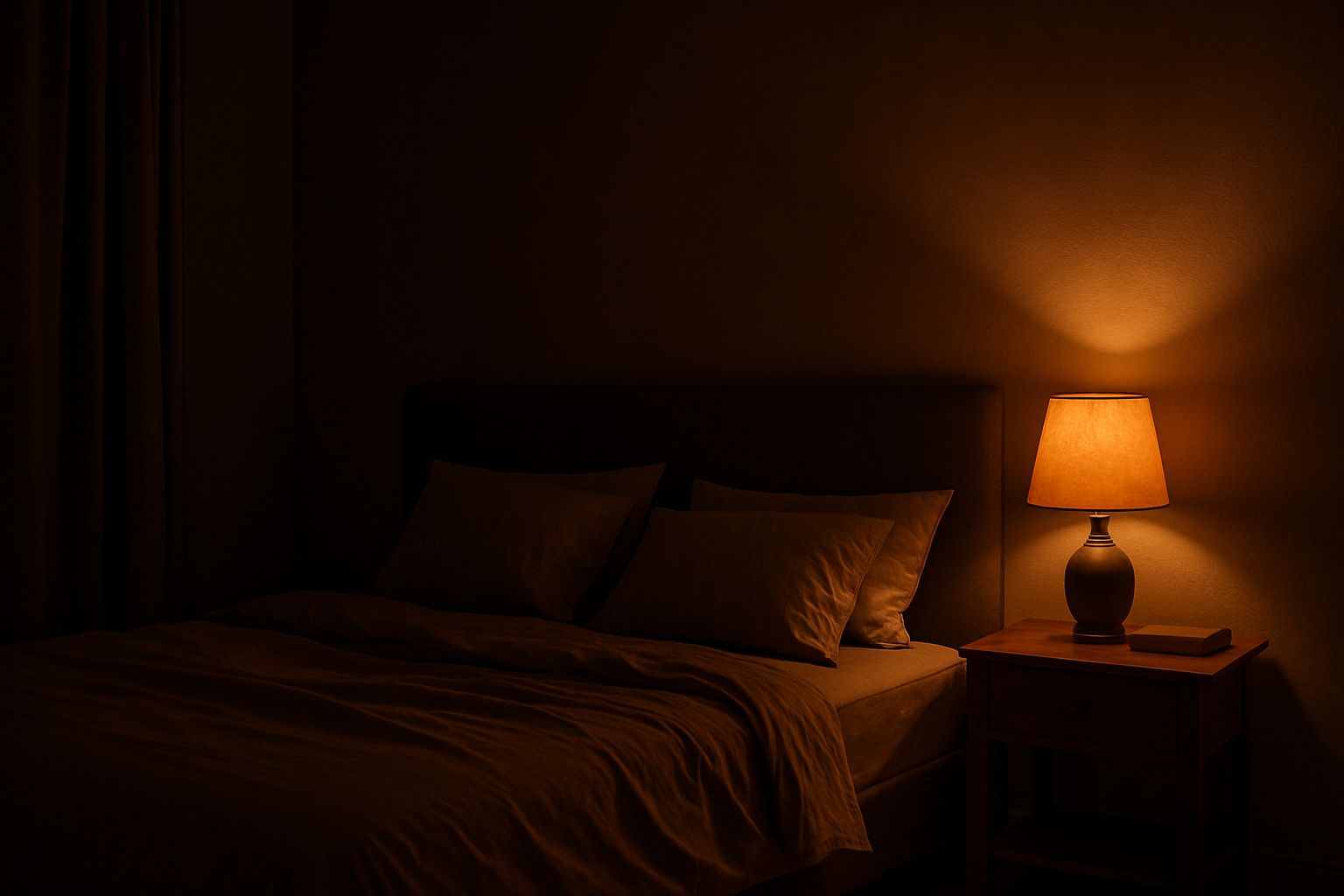
Light exposure is one of the most powerful regulators of your sleep-wake cycle. As evening approaches, gradually dim the lights in your home to signal to your brain that sleep time is coming. Blackout curtains or blinds are essential for creating a truly dark sleep environment, which promotes deeper and more restorative sleep. Even small amounts of light from digital clocks, electronics, or outdoor sources can suppress melatonin production and disrupt sleep quality. To further enhance your sleep environment, consider incorporating senior yoga poses into your evening routine to help relax your body and mind.
For those who need to get up during the night, consider installing motion-activated night lights in hallways and bathrooms. These provide just enough illumination for safety without the sleep-disrupting blue light of regular bulbs. If complete darkness feels uncomfortable, amber or red night lights have minimal impact on melatonin production compared to white or blue light sources.
Choosing the Right Mattress and Pillows for Aging Bodies
The mattress that served you well in middle age may not provide adequate support as you grow older. Seniors often benefit from medium-firm mattresses that offer pressure relief for sensitive joints while still providing proper spinal alignment. Memory foam or hybrid mattresses with cooling properties can address both comfort needs and the temperature regulation issues many seniors face.
Pillow selection becomes increasingly important with age. Side sleepers need thicker pillows to fill the gap between shoulder and head, while back sleepers generally need thinner ones. Consider specialty pillows designed to address specific concerns—cervical pillows for neck pain, wedge pillows for acid reflux, or body pillows for hip alignment. The goal is maintaining neutral spine alignment throughout the night to minimize discomfort that could disturb sleep.
Noise Reduction Techniques That Actually Work
Sensitivity to noise often increases with age, making previously tolerable sounds disruptive to sleep. White noise machines can mask unpredictable environmental sounds by providing consistent background noise. Some seniors find that fans serve the dual purpose of providing white noise while keeping the room cool. For those with hearing aids, removing them at bedtime can reduce sensitivity to ambient sounds. Additionally, practicing mindfulness meditation can help in reducing stress and improving sleep quality by fostering a calm and relaxed state.
Sound-absorbing materials like heavy curtains, carpeting, and upholstered furniture can significantly reduce echo and noise transmission in the bedroom. For those living in noisy environments, soft silicone earplugs designed for sleep offer comfort while blocking disturbing sounds. The goal isn’t necessarily complete silence, but rather a predictable sound environment that doesn’t trigger the alerting response in your brain.
Powerful Bedtime Routines That Prepare Your Body for Sleep
Establishing a consistent bedtime routine is perhaps the most powerful natural sleep aid available. These routines serve as behavioral cues that trigger your brain’s sleep response. For seniors, whose sleep-wake cycles are often less robust, these cues become even more important for maintaining healthy sleep patterns.
The 90-Minute Wind-Down Window: What to Do (and Avoid)
The final 90 minutes before bed should be dedicated to calm, relaxing activities that prepare your body and mind for sleep. This is the time to avoid stimulating conversations, news programs, or challenging mental activities that can trigger stress responses. Instead, engage in gentle activities like reading a pleasant book (preferably not on a screen), listening to soft music, or light stretching. This wind-down period allows your body to begin producing melatonin naturally and prepares your nervous system for sleep.
What you avoid during this time is just as important as what you do. Steer clear of caffeine, alcohol, heavy meals, and vigorous exercise in the hours before bed. While alcohol may initially make you drowsy, it disrupts sleep architecture later in the night, causing more awakenings and less restorative sleep. Similarly, late-night eating activates your digestive system when it should be slowing down alongside the rest of your body.
Screen Time Rules That Protect Your Melatonin Production
Electronic devices emit blue light that directly suppresses melatonin production, the hormone essential for initiating sleep. Ideally, all screens should be turned off at least an hour before bedtime. This includes televisions, computers, tablets, and smartphones. For seniors who use devices to stay connected with family or enjoy entertainment, blue-light blocking glasses can help minimize the impact, as can using night mode settings that shift screen colors to warmer tones.
If you absolutely must use electronic devices before bed, keep them at least 14 inches from your eyes to reduce light exposure, and avoid content that might be emotionally stimulating or stressful. Remember that the content you consume can be just as disruptive as the blue light itself. News programs, intense dramas, or even engaging social media can activate your brain when it should be winding down.
Relaxation Rituals That Signal Your Brain It’s Time to Sleep
Creating a sleep-specific relaxation ritual helps establish a powerful association between certain activities and the onset of sleep. This might be a warm bath or shower about 90 minutes before bed, which causes a subsequent drop in body temperature that promotes drowsiness. Gentle stretching focused on areas where seniors often hold tension—neck, shoulders, and lower back—can release physical stress that might otherwise keep you awake.
Many seniors find that writing in a gratitude journal helps quiet racing thoughts and worry. Simply noting three things you’re thankful for can shift your brain from problem-solving mode to a more peaceful state. Others benefit from a brief meditation practice or prayer routine that signals the transition from daytime activities to restful night. The specific activity matters less than its consistency—your brain learns to recognize these rituals as precursors to sleep.
Natural Supplements That Help Seniors Sleep Better
Before turning to prescription sleep medications with their potential for side effects and dependency, many seniors find relief in natural supplements that support healthy sleep cycles. Always consult with your healthcare provider before starting any supplement regimen, as even natural remedies can interact with medications or affect existing health conditions.
Melatonin: Proper Dosage and Timing for Older Adults
Melatonin supplements can be particularly helpful for seniors since natural production declines with age. Unlike many sleep medications, melatonin doesn’t cause dependency or significant morning grogginess when used correctly. For older adults, less is often more – start with just 0.5-1 mg taken 1-2 hours before your desired bedtime. This low dose is typically sufficient to supplement what your body naturally produces without overwhelming your system.
Timing matters as much as dosage with melatonin. Taking it too late won’t help you fall asleep faster, while taking it too early might cause premature drowsiness. Slow-release formulations can help maintain sleep throughout the night, addressing the frequent awakenings many seniors experience. If you find yourself waking too early, consider a time-release formula that provides sustained support for your sleep cycle.
Magnesium: The Mineral Many Seniors Lack
Magnesium deficiency is common among older adults and can contribute significantly to sleep problems. This essential mineral helps regulate neurotransmitters that calm the nervous system and prepare the body for sleep. It also assists with muscle relaxation, potentially reducing nighttime leg cramps and restless legs that plague many seniors. For more on maintaining senior health, explore 7 daily habits for a sharper senior mind.
For sleep support, magnesium glycinate is often preferred over other forms because it’s gentle on the digestive system and has high bioavailability. A typical starting dose ranges from 200-400mg taken about an hour before bed. Some seniors find that magnesium applied topically as a lotion or used in an Epsom salt bath before bedtime provides dual benefits of absorption and relaxation.
Valerian Root and Chamomile: Ancient Herbs with Modern Evidence
Herbal remedies have been used for centuries to promote sleep, with valerian root and chamomile among the most studied for insomnia. Valerian works by increasing levels of gamma-aminobutyric acid (GABA), a neurotransmitter that inhibits excessive brain activity and promotes calmness. Studies suggest it may reduce the time needed to fall asleep and improve sleep quality, particularly in older adults.
Chamomile tea contains apigenin, an antioxidant that binds to specific receptors in the brain that reduce anxiety and initiate sleep. For maximum benefit, steep chamomile tea covered for at least 10 minutes to extract its beneficial compounds fully. Adding a small amount of honey not only improves taste but may help trigger a slight insulin response that helps tryptophan enter the brain, further promoting relaxation.
CBD: What the Research Shows for Senior Sleep
Emerging research suggests cannabidiol (CBD) may benefit sleep by addressing underlying causes of insomnia such as anxiety, pain, and excessive stress responses. Unlike THC, CBD doesn’t produce psychoactive effects, making it an appealing option for seniors seeking sleep support without impairment. Studies specifically examining older adults show promise for improving sleep quality without the side effects associated with traditional sleep medications.
When considering CBD, quality matters tremendously. Look for products with third-party testing to verify purity and potency, preferably from hemp grown in the United States under strict agricultural guidelines. Start with a low dose (10-15mg) taken about an hour before bedtime, and increase gradually if needed. Many seniors find that CBD not only helps with sleep initiation but also reduces nighttime awakenings caused by pain or anxiety.
Mind-Body Techniques That Calm Your Nervous System
The mind-body connection plays a crucial role in sleep quality, particularly for seniors experiencing anxiety about sleep itself. Simple techniques practiced regularly can shift your nervous system from “fight-or-flight” to “rest-and-digest” mode, creating optimal conditions for restorative sleep. These approaches complement other natural remedies and can be practiced right in bed as part of your wind-down routine.
The beauty of these techniques lies in their accessibility – they require no special equipment, can be adapted to any mobility level, and become more effective with regular practice. Many seniors find that these methods not only improve sleep but also provide valuable tools for managing daytime stress and anxiety, as outlined in our guide on mindfulness meditation for stress reduction.
5-Minute Breathing Exercises to Try Before Bed
Controlled breathing directly influences your autonomic nervous system, signaling to your body that it’s safe to relax and sleep. The 4-7-8 breathing technique is particularly effective: inhale quietly through your nose for 4 seconds, hold your breath for 7 seconds, then exhale completely through your mouth for 8 seconds. Repeat this cycle just four times initially, as it can be quite powerful. This pattern helps reduce anxiety and racing thoughts that often delay sleep onset for seniors.
Another simple but effective approach is diaphragmatic breathing, where you place one hand on your chest and the other on your abdomen. Breathe deeply so that your abdomen rises more than your chest, which activates the parasympathetic nervous system. Practice this for just 5 minutes before bed to signal your body that it’s time for rest. These techniques become more powerful over time, creating a conditioned relaxation response.
Progressive Muscle Relaxation: Step-by-Step Instructions
Progressive muscle relaxation (PMR) helps identify and release physical tension you may not even realize you’re holding. Begin by tightening the muscles in your feet for 5 seconds, then releasing completely for 10 seconds, noting the difference between tension and relaxation. Work your way up through each muscle group – calves, thighs, abdomen, hands, arms, shoulders, neck, and face – using the same tense-release pattern. For additional relaxation techniques, explore mindfulness meditation as a stress reduction guide.
This technique is particularly beneficial for seniors with arthritis or chronic pain, as it helps distinguish between different types of discomfort and creates moments of relief. Many find that after completing a full-body PMR session, they’ve drifted into a deeply relaxed state conducive to sleep. For those with mobility limitations, a modified version focusing on gentle awareness rather than active tensing can be equally effective.

Gentle Yoga Poses Safe for Seniors
Certain gentle yoga poses performed before bedtime can release physical tension and prepare the body for sleep. The “legs up the wall” pose is particularly beneficial for seniors – it reduces swelling in the legs, eases back tension, and creates a mild relaxation response. Simply sit sideways next to a wall, then pivot to lie on your back while extending your legs up the wall, forming an L-shape with your body. Rest here for 5-10 minutes, focusing on slow, deep breathing.
Child’s pose, performed either on the bed or a carpeted floor, gently stretches the back and promotes feelings of security and calm. For those with knee issues, this can be modified by placing a pillow between your buttocks and heels. Gentle seated forward folds and seated twists can also release spinal tension accumulated throughout the day. Always move slowly and respect your body’s limitations, using props like pillows and blankets for support.
Meditation Practices Specifically for Sleep
Sleep-focused meditation differs from daytime practice by specifically guiding you toward sleep rather than alert awareness. Body scan meditations are particularly effective, directing attention systematically from toes to head, noticing sensations without judgment. This practice draws attention away from anxious thoughts about sleep and into the present physical experience, often leading naturally to drowsiness.
Visualization techniques that involve imagining peaceful scenes engage the mind just enough to stop rumination while promoting relaxation. For seniors with memory concerns, guided meditations via recordings eliminate the need to remember specific steps. Many find that using the same meditation recording each night creates a powerful association with sleep, eventually requiring just the first few minutes to signal the brain that sleep time has arrived.
Cognitive Behavioral Therapy: The Gold Standard for Beating Insomnia
While lifestyle changes and natural approaches often help, Cognitive Behavioral Therapy for Insomnia (CBT-I) stands as the most effective long-term solution for chronic sleep problems. This structured program addresses the underlying thought patterns and behaviors that perpetuate insomnia, with success rates surpassing those of sleep medication. For seniors, CBT-I offers the additional benefit of avoiding medication side effects that can be particularly problematic in older adults.
CBT-I typically includes several components working together to reset your sleep system. Unlike medications that may lose effectiveness over time, the benefits of CBT-I often continue to improve as you master its techniques. Many seniors find that just 4-8 sessions with a trained specialist create lasting improvements in sleep quality.
How CBT-I Works in the Senior Brain
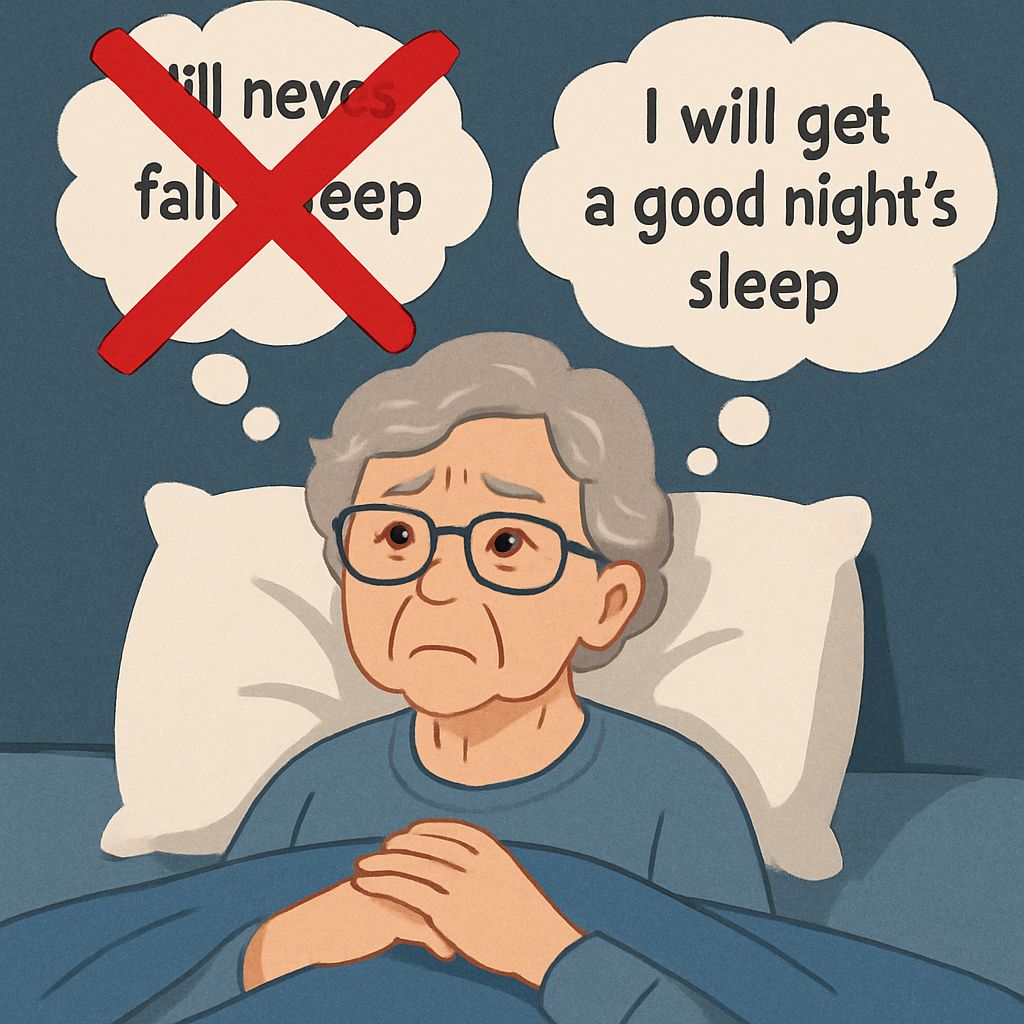
Cognitive Behavioral Therapy for Insomnia works by addressing both the psychological and behavioral components of sleep problems. The cognitive aspect helps identify and reshape unhelpful thoughts about sleep, such as catastrophizing (“I’ll never fall asleep” or “I’ll be useless tomorrow if I don’t get 8 hours”). These anxious thoughts trigger stress hormones that make sleep more difficult, creating a self-fulfilling prophecy that CBT-I effectively interrupts.
For seniors, CBT-I is particularly valuable because it accommodates age-related changes in sleep architecture while still improving overall sleep quality and daytime functioning. Rather than fighting against natural changes, it helps establish realistic expectations and focuses on maximizing the quality of sleep you do get. Many older adults report not just improved sleep, but reduced anxiety, better mood, and enhanced daytime energy after completing a CBT-I program.
Sleep Restriction: The Counter-Intuitive Technique That Resets Your Sleep
Sleep restriction therapy may sound counterintuitive—limiting time in bed to increase sleep quality—but it’s one of the most powerful components of CBT-I. The technique works by temporarily reducing time in bed to match your actual sleep time, creating mild sleep deprivation that strengthens your body’s sleep drive. For example, if you’re currently spending 9 hours in bed but only sleeping 6 hours, you would initially restrict time in bed to just 6 hours, creating a stronger association between bed and actual sleep.
This approach is carefully tailored for seniors, with modifications to ensure safety and comfort. As sleep efficiency improves—meaning you’re asleep for most of your time in bed—the sleep window is gradually expanded. Many seniors find that after a brief adjustment period, they experience deeper, more consolidated sleep than they’ve had in years. The temporary discomfort of sleep restriction yields to a more predictable, refreshing sleep pattern that enhances quality of life.
Stimulus Control: Breaking the Association Between Bed and Wakefulness
For many seniors with chronic insomnia, the bedroom has become associated with wakefulness and frustration rather than sleep. Stimulus control techniques break this negative association by establishing a simple rule: use your bed only for sleep and intimacy. If you find yourself awake for more than 15-20 minutes, leave the bedroom and do a quiet activity with dim lighting until you feel sleepy again.
This approach might seem challenging at first, especially for seniors with mobility issues or those who enjoy reading in bed. However, the powerful psychological reconditioning it creates often yields results within just a few weeks. By consistently connecting your bed with actual sleep rather than wakefulness, your brain learns to activate sleep mechanisms more readily when you lie down. Many seniors find that after following stimulus control guidelines, they fall asleep faster each night with progressively fewer middle-of-night awakenings.
Thought Challenging: Overcoming Sleep Anxiety
Sleep-related anxiety often becomes a self-fulfilling prophecy, particularly for seniors who have experienced insomnia for months or years. Thought challenging techniques help identify and reframe catastrophic thinking about sleep, such as “I’ll never sleep again” or “My health will collapse if I don’t get 8 hours.” By examining the evidence for and against these thoughts and developing more balanced perspectives, the anxiety that keeps many seniors awake begins to diminish.
For example, instead of thinking “I’ll be completely non-functional tomorrow if I don’t sleep well tonight,” a more balanced thought might be “I’ve had poor nights before and still managed the next day. I might be tired, but I can adjust my schedule if needed.” This cognitive restructuring reduces the pressure to sleep, paradoxically making sleep more likely. Many seniors find that keeping a thought journal by their bed helps identify patterns of unhelpful thinking that can then be addressed with their CBT-I practitioner.
How to Find Help and Implement These Solutions
While many natural approaches can be implemented on your own, professional guidance often accelerates progress, especially for long-standing sleep issues. The good news is that effective help for senior sleep problems is more accessible than ever before. From primary care physicians to specialized sleep centers, multiple pathways exist to find the support you need for better sleep.
Remember that addressing sleep problems is not a luxury but a necessity for overall health and wellbeing. Sleep affects everything from cognitive function to immune health, making it a cornerstone of healthy aging. Investing time in finding the right help for your specific sleep challenges pays dividends in enhanced quality of life and prevention of health complications.
When to Talk to Your Doctor About Sleep Problems
Consult your physician if you’ve experienced sleep difficulties for more than three weeks, if natural approaches haven’t helped, or if you suspect an underlying medical condition might be affecting your sleep. Warning signs that warrant medical attention include gasping or choking during sleep, excessive daytime sleepiness despite adequate time in bed, or sudden changes in sleep patterns. Your primary care provider can rule out medical causes like sleep apnea, restless legs syndrome, or medication side effects that might require specific treatment.
Finding a Qualified CBT-I Specialist Near You
Cognitive Behavioral Therapy for Insomnia is typically provided by psychologists, psychiatrists, or other healthcare professionals with specialized training in this approach. Ask your primary care physician for recommendations, or search the Society of Behavioral Sleep Medicine’s directory of certified practitioners. Many larger hospitals and academic medical centers now have dedicated behavioral sleep medicine programs that specialize in non-medication approaches.
If in-person options are limited in your area, telehealth has made CBT-I much more accessible to seniors everywhere. Many qualified providers now offer virtual sessions that are just as effective as in-person treatment. Medicare and many insurance plans have expanded coverage for telehealth services, making this option financially feasible for many seniors.
For those with limited financial resources, community mental health centers sometimes offer CBT-I at reduced rates, and some university training clinics provide services by supervised graduate students at lower cost. Don’t let financial concerns prevent you from seeking this highly effective treatment—discuss your situation with providers, as many are willing to work with seniors on payment options.
Online Resources and Apps Designed for Senior Sleep
While not a replacement for personalized care, digital resources can supplement professional treatment or provide support for milder sleep issues. Apps like CBT-i Coach (developed by the VA), Sleepio, and Somryst offer evidence-based digital therapeutic approaches specifically for insomnia. Several online programs now provide guided CBT-I with varying levels of therapist support, creating flexible options for seniors comfortable with technology. For those interested in additional wellness practices, exploring mindfulness meditation can be a beneficial complement to digital sleep resources.
Create Your Personal Sleep Improvement Plan Today
The journey to better sleep begins with a single step—choosing one strategy from this article to implement tonight. Perhaps it’s establishing a consistent bedtime, trying a 5-minute breathing exercise, or adjusting your bedroom temperature. Add additional techniques gradually, giving each new approach at least a week before evaluating its effectiveness. Keep a simple sleep diary noting bedtimes, wake times, and how rested you feel to track your progress objectively. Remember that improvement may be gradual, but the cumulative effect of these evidence-based approaches can transform your sleep and, by extension, your overall well-being as you age. SleepFoundation.org offers comprehensive resources specifically designed for seniors looking to improve their sleep naturally and effectively.
Frequently Asked Questions
Here are answers to common questions about senior sleep issues and natural remedies, based on current research and clinical experience with older adults. These practical insights address the concerns most frequently raised by seniors seeking to improve their sleep naturally.
How long does it take for natural sleep remedies to start working?
Unlike prescription sleep medications that often work the first night, natural approaches typically build effectiveness over time. Behavioral changes like consistent sleep schedules and bedtime routines may show noticeable improvements within 1-2 weeks. Supplements like melatonin often demonstrate effects within 3-7 days, while herbal remedies like valerian root may require 2-4 weeks of consistent use before maximum benefits appear.
Cognitive Behavioral Therapy techniques usually show gradual improvement over 4-8 weeks, with many seniors reporting significant changes by the halfway point. The advantage of these approaches is that benefits tend to last long-term, unlike medications that often lose effectiveness over time. Patience and consistency are key—commit to at least 3-4 weeks of any natural approach before determining its effectiveness for your specific situation.
Can I combine several natural sleep approaches at once?
Yes, most natural sleep remedies work well together and often provide synergistic benefits when combined thoughtfully. For example, creating an optimal sleep environment, practicing relaxation techniques, and maintaining a consistent sleep schedule can reinforce each other’s effectiveness. However, when it comes to supplements, consult your healthcare provider before combining multiple options to avoid interactions, particularly if you take medications for other conditions.
Will Medicare cover Cognitive Behavioral Therapy for insomnia?
Medicare Part B generally covers CBT-I when provided by physicians, clinical psychologists, and other qualified healthcare professionals. With the expansion of telehealth services, many seniors can now access these treatments from home with Medicare coverage. A doctor’s referral documenting the medical necessity of treatment for insomnia typically facilitates approval. Contact your Medicare representative or prospective provider’s billing office to verify specific coverage details for your plan.
What’s the difference between normal aging sleep changes and insomnia?
Normal age-related sleep changes include earlier bedtimes and wake times, somewhat lighter sleep, and more brief awakenings during the night. However, these changes shouldn’t significantly impact your quality of life or daytime functioning. Insomnia involves persistent difficulty falling asleep (taking more than 30 minutes), staying asleep (with prolonged awakenings), waking too early, or experiencing non-restorative sleep despite adequate opportunity.
The key distinction lies in your daytime experience: normal aging sleep changes don’t typically cause significant distress or impairment in daily functioning. If you’re experiencing excessive daytime sleepiness, inability to concentrate, mood disturbances, or anxiety about sleep, these suggest insomnia rather than normal aging and warrant attention.
- Normal: Taking 15-30 minutes to fall asleep
- Normal: Brief awakenings that you can easily return to sleep from
- Normal: Shifting to earlier sleep and wake times
- Insomnia: Taking more than 30 minutes to fall asleep regularly
- Insomnia: Lying awake for long periods during the night
- Insomnia: Feeling unrefreshed despite adequate time in bed
Understanding this distinction helps determine whether simple lifestyle adjustments are sufficient or if more structured approaches like CBT-I would be beneficial. Many seniors unnecessarily accept poor sleep as inevitable when effective treatment could significantly improve their quality of life.
Research from the National Institute on Aging confirms that while sleep patterns change with age, chronic insomnia is not an inevitable part of growing older. The quality of your sleep matters tremendously for cognitive health, emotional wellbeing, and physical resilience as you age.
How do I know if my sleep problem requires medical attention?
Certain symptoms suggest underlying medical conditions that require evaluation beyond lifestyle changes or natural remedies. Seek medical attention if you experience loud snoring with gasping or choking, as these are classic signs of sleep apnea. Uncomfortable sensations in your legs that worsen at night and improve with movement may indicate Restless Legs Syndrome. Excessive daytime sleepiness despite adequate time in bed could signal various sleep disorders requiring specific treatment.
Other red flags include dramatic changes in sleep patterns that occur suddenly, falling asleep at inappropriate times (while driving or in conversation), or walking, talking, or experiencing unusual behaviors during sleep. These symptoms warrant prompt medical evaluation rather than self-treatment with natural approaches alone.
Many seniors hesitate to discuss sleep problems with their doctors, believing nothing can be done or fearing they’ll simply be prescribed medication. However, increased awareness of sleep’s importance has made many healthcare providers more knowledgeable about comprehensive approaches. Bring a two-week sleep diary to your appointment to provide objective information that will help your provider make appropriate recommendations.




Leave a Reply