Key Takeaways
- Resistance bands offer a joint-friendly way to maintain strength and flexibility, perfect for those over fifty.
- They are affordable and portable, making them accessible for home workouts or travel.
- Strength training with resistance bands can help combat age-related muscle loss and improve bone density.
- Choosing the right band involves considering factors like resistance level, length, and material.
- Warm-up routines with resistance bands can enhance mobility and prepare the body for more intense exercises.
The Importance of Resistance Band Workouts for Older Adults
As we age, maintaining our physical fitness becomes crucial for living a healthy and independent life. Resistance band workouts are a fantastic option for older adults because they provide a low-impact way to build strength and flexibility. Unlike heavy weights, resistance bands are gentle on the joints, making them an ideal choice for anyone who may be dealing with arthritis or other joint concerns.
Benefits of Resistance Bands for Aging Joints
Resistance bands offer a multitude of benefits, particularly for aging joints. They allow for controlled movements that reduce the risk of injury while providing the resistance needed to strengthen muscles. This is especially important because, as we age, our joints become more susceptible to wear and tear. The elasticity of resistance bands also helps in maintaining joint health by promoting full range of motion exercises.
Moreover, resistance bands can be adjusted to match your current fitness level. You can start with lighter bands and gradually increase the resistance as your strength improves. This adaptability makes them a versatile tool for anyone at any fitness level.
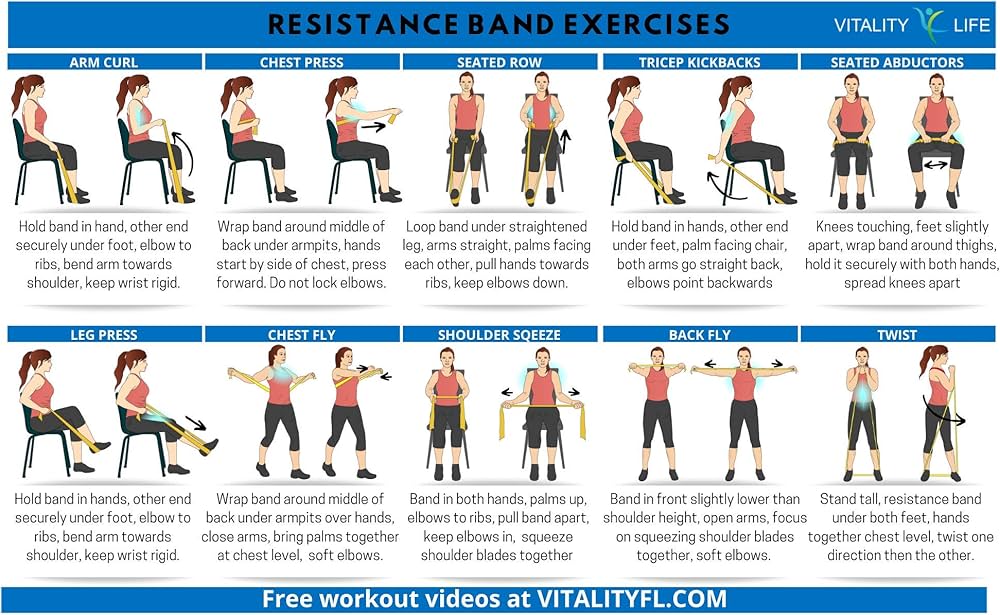
“Amazon.com: Resistance Band for Seniors …” from www.amazon.com and used with no modifications.
Maintaining Muscle Mass with Resistance Training
One of the most significant challenges as we age is the natural decline in muscle mass, known as sarcopenia. Resistance training is a proven method to combat this issue. By incorporating resistance bands into your routine, you can effectively maintain and even build muscle mass. This not only helps in preserving physical strength but also enhances metabolic health, which is crucial for maintaining a healthy weight.
Resistance bands target multiple muscle groups simultaneously, offering a comprehensive workout that promotes muscle growth. Regular use can lead to improved muscle tone, increased strength, and better endurance.
Convenience and Accessibility of Resistance Bands
Resistance bands are incredibly convenient and accessible. They are lightweight and portable, making them easy to store at home or pack when traveling. This means you can maintain your fitness routine no matter where you are. Furthermore, they are relatively inexpensive compared to gym equipment, offering a cost-effective solution for those looking to stay fit without breaking the bank.
Besides that, resistance bands can be used for a wide range of exercises, from strength training to flexibility and balance workouts. Their versatility makes them an essential tool for anyone looking to stay active and healthy over fifty.
Choosing the Right Resistance Bands
Choosing the right resistance bands is crucial to ensure you get the most out of your workouts. With various types and resistance levels available, it can be overwhelming to decide which ones are best suited for you. To help with your decision, check out resistance band exercises for seniors to find the best fit for your needs.
Types of Resistance Bands Available
There are several types of resistance bands, each serving different purposes:
- Loop Bands: These are continuous loops, perfect for lower body exercises like squats and lunges.
- Tube Bands: Equipped with handles, they are ideal for upper body exercises such as bicep curls and shoulder presses.
- Therapy Bands: Flat bands often used in physical therapy settings, great for rehabilitation and gentle exercises.
- Figure-8 Bands: Shaped like an “8,” these bands are excellent for targeting specific muscle groups.
Factors to Consider When Selecting Bands
When selecting resistance bands, consider the following factors. For more information on suitable equipment, check out our guide on the best fitness equipment for seniors.
- Resistance Level: Bands come in different resistance levels, usually indicated by color. Start with a lighter band and progress to heavier ones as you build strength.
- Length: Ensure the band is long enough for the exercises you plan to do. Longer bands offer more versatility.
- Material: Latex bands are durable and provide good resistance, while non-latex bands are suitable for those with allergies.
Safety Tips for Using Resistance Bands
Safety is paramount when using resistance bands. Here are some tips to keep in mind:
- Always inspect your bands for signs of wear or damage before each use to prevent snapping.
- Ensure the band is securely anchored to avoid slipping during exercises.
- Maintain a firm grip on the handles or ends of the band.
- Control the band’s movement to avoid sudden snaps that can lead to injury.

“Senior Fitness – Benefits of Resistance …” from time4seniors.com and used with no modifications.
Warm-Up Routines with Resistance Bands
Before diving into your main workout, it’s essential to warm up your muscles and joints. A good warm-up routine with resistance bands can enhance your flexibility and prepare your body for more strenuous activity.
Dynamic Stretches to Improve Mobility
Dynamic stretches are an excellent way to enhance mobility and prepare your body for a workout. They involve active movements that gently stretch your muscles and increase your heart rate. When using resistance bands, you can incorporate dynamic stretches that target multiple muscle groups, promoting flexibility and reducing the risk of injury.
For instance, try performing arm circles with a resistance band. Hold the band with both hands, stretch it out in front of you, and make circular motions with your arms. This exercise warms up your shoulders and arms while also engaging your core. Similarly, leg swings using a band can help loosen your hip joints and improve lower body flexibility.
Activating Major Muscle Groups
Before starting your main workout, it’s crucial to activate your major muscle groups. This ensures that your muscles are prepared for more intense exercises, reducing the risk of strains and injuries. Resistance bands are perfect for this because they provide a gentle yet effective way to engage your muscles.
One effective exercise is the banded lateral walk. Place a resistance band around your thighs and take small, controlled steps to the side. This activates your glutes and hip abductors, essential for maintaining balance and stability. Another great option is the band pull-apart, which targets the muscles in your upper back and shoulders, helping improve posture and reduce back pain.
Main Resistance Band Workouts
Now that your body is warmed up and ready, it’s time to dive into the main resistance band workouts. These exercises are designed to provide a comprehensive full-body workout, targeting all major muscle groups. Whether you’re looking to build strength, improve flexibility, or enhance your overall fitness, these workouts have you covered.
Full-Body Resistance Routine
A full-body resistance routine is an excellent way to engage all muscle groups in a single session. Start with squats using a resistance band looped around your thighs. This exercise strengthens your quads, hamstrings, and glutes. Next, move on to push-ups with a resistance band across your back, which adds extra resistance and works your chest, shoulders, and triceps. For more equipment options, explore the best fitness equipment for seniors.
Finish with a standing row using a long resistance band anchored at a door or post. This exercise targets your back and biceps, completing the full-body circuit. Aim for 10-15 repetitions of each exercise, adjusting the resistance level as needed to match your fitness level. For more exercises, check out resistance band exercises for seniors.
Targeted Exercises for the Upper Body
Focusing on the upper body is essential for maintaining strength and functionality as we age. Resistance bands offer a versatile way to perform targeted exercises that build muscle and improve endurance. Begin with bicep curls using a resistance band under your feet. Keep your elbows close to your body and curl the band upwards to engage your biceps.
Another effective exercise is the overhead press. Stand on the band, hold the handles at shoulder height, and press upwards. This movement works your shoulders and triceps, enhancing upper body strength. Finally, incorporate tricep extensions by holding the band behind your back and extending your arms upwards. This targets the triceps and helps tone the back of your arms. For more information on suitable equipment, explore our guide on accessible fitness equipment tips.
Lower Body Strengthening Exercises
The lower body is crucial for mobility and stability, making it important to focus on strengthening these muscles. Resistance bands provide an effective way to perform lower body exercises without the need for heavy weights. Start with banded leg presses. Lie on your back, loop the band around your feet, and press your legs outwards. This targets the quads and glutes, building strength and endurance. For more information on fitness equipment, check out the best fitness equipment for seniors.
Core Stability and Balance Workouts
Maintaining core stability and balance is vital for overall fitness, especially as we age. Resistance bands can be used to perform exercises that enhance these areas, reducing the risk of falls and improving posture. Try the seated banded twist to engage your core. Sit on the floor, loop the band around your feet, and twist your torso side to side. This exercise targets the obliques and improves rotational strength.
Cool-Down and Recovery Techniques
After completing your workout, it’s essential to cool down and aid recovery. This helps reduce muscle soreness and promotes flexibility. A proper cool-down routine also lowers your heart rate gradually, preventing dizziness or lightheadedness.
Gentle Stretches to Improve Flexibility
Gentle stretches using resistance bands can improve flexibility and relax your muscles after a workout. Try the seated hamstring stretch by looping the band around your foot and gently pulling towards you. This stretch targets the hamstrings and lower back, areas that often become tight after exercise.
Techniques to Reduce Muscle Soreness
To reduce muscle soreness, incorporate light resistance band exercises that promote blood flow and recovery. One effective technique is the banded shoulder stretch. Hold the band with both hands behind your back and gently pull to stretch the shoulders and chest. This helps release tension and improve circulation, speeding up recovery.
Creating a Sustainable Workout Routine
Establishing a sustainable workout routine is crucial for maintaining long-term fitness and health. Consistency is key, and it’s important to design a program that fits into your lifestyle and keeps you motivated. With resistance bands, you have the flexibility to work out anywhere, making it easier to stick to your routine. Remember, the goal is to make exercise a regular part of your life, not a temporary fix.
Setting Achievable Fitness Goals
Start by setting realistic and achievable fitness goals. Consider what you want to accomplish, whether it’s increasing strength, improving flexibility, or maintaining overall health. Break these goals into smaller, manageable steps. For instance, aim to complete a full-body resistance band workout three times a week. As you progress, gradually increase the intensity or duration of your sessions by incorporating fitness equipment for seniors.
Incorporating Variety to Prevent Plateau
Variety is essential to prevent hitting a plateau and to keep your workouts engaging. Mix different types of resistance band exercises into your routine, such as upper body, lower body, and core workouts. Change the order of exercises or the resistance level of the bands to challenge your muscles in new ways. This not only keeps things interesting but also ensures that all muscle groups are being effectively targeted.
Listening to Your Body and Making Adjustments
Listening to your body is vital in any fitness routine. Pay attention to how your body feels during and after workouts. If you experience pain or discomfort, modify the exercise or reduce the intensity. It’s important to differentiate between discomfort and pain; while pushing through discomfort can lead to gains, pain is a signal to stop and reassess. Adjust your routine as needed to prevent injury and promote recovery.
Frequently Asked Questions
Many people have questions about incorporating resistance bands into their fitness routines. For more information on fitness equipment that can complement your resistance band workouts, check out our guide on the best fitness equipment for seniors. Here are some common queries and their answers to help you get started confidently.
How often should I perform resistance band workouts?
- For beginners, aim for 2-3 sessions per week, allowing rest days in between.
- Intermediate users can increase to 3-4 sessions weekly.
- Advanced users may work out 4-5 times per week, focusing on different muscle groups each session.
Consistency is important, but so is recovery. Ensure you give your muscles time to rest and repair to avoid overtraining.
Can resistance bands improve bone density?
Research shows that resistance training, including exercises with resistance bands, can improve bone density. A study published in the “Journal of Bone and Mineral Research” found that consistent resistance exercise can enhance bone strength, which is particularly beneficial for older adults at risk of osteoporosis.
Resistance bands provide the necessary load to stimulate bone growth, making them a valuable tool for improving bone health.
What’s the best way to store and maintain resistance bands?
Proper storage and maintenance of your resistance bands can extend their lifespan. For more on this topic, check out our accessible fitness equipment tips. Here are some tips:
- Keep them in a cool, dry place away from direct sunlight to prevent deterioration.
- Regularly check for signs of wear or damage and replace any compromised bands.
- Clean them with mild soap and water if they become dirty, and dry them thoroughly before storing.
Are resistance band exercises suitable for beginners?
Absolutely! Resistance band exercises are perfect for beginners because they are easy to modify according to your fitness level. Start with lighter bands and simpler exercises, gradually increasing resistance and complexity as you gain strength and confidence. The key is to maintain proper form and gradually build up your endurance.
Can I combine resistance bands with other forms of exercise?
Yes, combining resistance bands with other forms of exercise can enhance your overall fitness. Consider incorporating them into your cardio routines, yoga sessions, or Pilates workouts for added resistance. This combination can improve muscle strength, endurance, and flexibility, providing a well-rounded fitness regimen. For more tips on maintaining fitness, check out this core fitness guide for seniors.
By integrating resistance bands into your fitness plan, you can enjoy a diverse and effective workout that supports your health and wellness goals. Remember to stay consistent, listen to your body, and have fun with your fitness journey!
For seniors looking to maintain their fitness levels, resistance band workouts are an excellent option. These exercises are low-impact, easy on the joints, and can be performed almost anywhere. Additionally, incorporating resistance bands into your routine can help improve flexibility, strength, and balance. For those interested in exploring more fitness options, check out this guide on best fitness equipment for seniors to find the right tools for your workout needs.



Leave a Reply