
Over the course of your recovery journey following surgery, it’s vital that you implement smart practices to ensure your safety and well-being. By prioritizing your physical health and emotional comfort, you can significantly reduce the risk of complications while promoting a smoother and more positive healing experience. This guide will provide you with important tips and strategies to navigate your post-surgery days effectively, empowering you to take charge of your recovery and thrive in the process.
Key Takeaways:
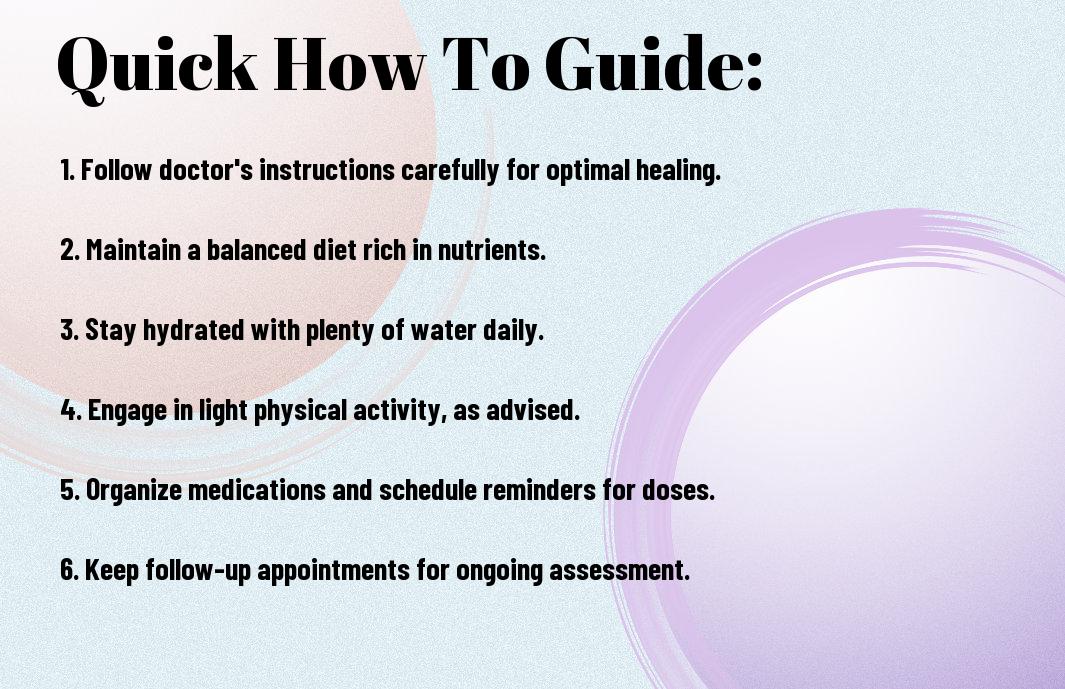
- Follow Medical Advice: Adhere strictly to your surgeon’s post-operative instructions to ensure a smooth recovery.
- Manage Pain Effectively: Utilize prescribed pain management strategies, making sure to communicate any discomfort with healthcare providers.
- Prioritize Nutrition: Maintain a balanced diet with adequate hydration to support healing and overall well-being.
- Monitor Activity Levels: Gradually increase physical activity while avoiding strenuous tasks to prevent strain on the surgical site.
- Engage Support Systems: Rely on family, friends, or home health aides to assist in daily tasks and encourage adherence to recovery plans.
Understanding the Importance of Safe Post-Surgery Recovery
A safe post-surgery recovery is crucial for seniors to regain their strength and function optimally after a procedure. The body undergoes significant changes during surgery, making it particularly vulnerable to complications. Prioritizing a safe recovery can prevent unnecessary setbacks and ensure that you can enjoy a better quality of life. By being proactive and educated, you can make informed decisions that aid your healing process and safeguard your overall well-being.
How to Recognize Signs of Complications
Any signs of complications following surgery should be taken seriously. Common indicators include increased pain, swelling, redness at the incision site, fever, or unusual discharge. If you notice any of these symptoms, contact your healthcare provider immediately to address your concerns and prevent further complications.
Tips for Communicating with Healthcare Providers
Understanding the importance of effective communication with your healthcare providers can significantly enhance your post-surgery recovery experience. Always feel empowered to ask questions and express any concerns you have about your recovery. Providing clear and accurate information about your symptoms will help your healthcare team assess your condition more effectively. Here are some tips to enhance your communication:
- Be prepared with specific questions about your recovery plan.
- Keep a list of any medications you are taking.
- Document changes in your symptoms or recovery process.
- Establish a communication protocol with your healthcare provider.
After following these tips can ensure that you receive the most appropriate care and attention during your recovery.
Safe post-surgery recovery involves being attentive to your body’s needs and maintaining open lines of communication with your healthcare providers. Engaging with your doctors about your recovery journey not only helps them assist you better but also puts you in control of your healing process. It’s important to stay informed and advocate for yourself by:
- Clearly stating your concerns regarding your recovery.
- Asking for clarification on any treatment plans.
- Expressing emotional or physical challenges you may face.
- Requesting follow-up appointments to ensure proper monitoring.
After making these communication practices part of your recovery can lead to a more positive and effective healing experience.
Preparing for Post-Surgery Care
It is important to prepare effectively for your post-surgery care to ensure a smooth recovery. By addressing your needs before surgery, you set the groundwork for a comfortable and supportive environment that promotes healing.
How-to Create a Comfortable Recovery Environment
Recovery from surgery can be significantly improved by establishing a comfortable and safe space at home. Ensure that your recovery area is well-lit, clutter-free, and equipped with items such as a comfortable chair, medications, and easy access to water and snacks. Consider using extra pillows to assist with positioning and maintain a peaceful atmosphere that promotes relaxation.
Factors Influencing Recovery Time
To understand your recovery better, consider the various factors that can impact your recovery time. These include:
- Age
- General health
- Type of surgery
- Adherence to care instructions
- Support system
Each of these factors plays a role in how quickly you heal post-surgery. By staying informed and prepared, you can potentially influence the speed of your recovery. Recognizing the interplay of these elements will help guide your recovery journey.
Create an awareness of how multiple factors can impact your recovery timeline. Your age and overall health condition significantly affect how well your body can heal. The type of surgery performed is also a major contributor to your recovery experience. Furthermore, your commitment to following post-operative care instructions and having a support system in place can lead to better outcomes. Recognizing these aspects can empower you to take an active role in your recovery process.
Nutrition and Hydration Strategies
Despite the challenges that follow surgery, focusing on proper nutrition and hydration is crucial for your recovery. This chapter provides valuable strategies on how to support your body with the right nutrients and fluids during this critical time.
How-to Plan a Balanced Post-Surgery Diet
While planning your post-surgery diet, it’s important to include a variety of foods that promote healing. Aim for a balanced plate consisting of lean proteins, whole grains, fruits, and vegetables. This combination will provide you with the necessary vitamins and minerals to support recovery, while also maintaining energy levels. Don’t forget to consider any dietary restrictions you may have.
Tips for Staying Hydrated
There’s no denying that hydration plays a significant role in your recovery process. To stay on track, establish a routine that facilitates consistent fluid intake. Consider incorporating the following tips:
- Opt for water as your primary drink.
- Incorporate broths and soups into meals.
- Set reminders on your phone to prompt you to drink.
- Use a marked water bottle to track your intake.
This will help ensure you’re consuming adequate amounts of fluids throughout the day.
For instance, consuming a variety of nourishing fluids can significantly aid in your recovery. You might find that herbal teas, fresh juices, and hydrating fruits like watermelon and oranges provide both taste and hydration. These options not only keep you hydrated but also bring additional vitamins and minerals to your diet. Here are some suggestions:
- Choose herbal teas for warmth and comfort.
- Drink low-sodium broths for electrolytes.
- Snack on hydrating fruits like cucumber and berries.
- Incorporate electrolyte drinks for replenishment.
This variety will make it easier for you to hit your daily hydration goals and facilitate your recovery process effectively.
Managing Pain and Medications
Many seniors experience varying levels of pain following surgery, making effective pain management crucial to promote a smooth recovery. You can learn more about How to Support a Parent or Family Member Recovering …. It’s vital to communicate openly with healthcare providers regarding your pain levels and any medications prescribed.
How-to Effectively Manage Pain Levels
Little adjustments to your daily routine can help manage your pain more effectively. Engage in gentle movements, such as stretching and light walking, as permitted by your doctor. Consider utilizing heat pads or cold compresses, and never hesitate to reach out for support when needed. Partnering with family members during your recovery can also provide emotional support while managing your pain.
Tips for Organizing Medication Schedules
Pain management often involves a variety of medications, making it important to stay organized. Establishing a clear schedule is key to ensuring that you take the correct medications at the right times.
- Utilize a medication organizer to keep track of your prescribed doses and timings.
- Set reminders on your phone or use a pill tracking app to alert you when it’s time to take your medication.
- Maintain an updated list of all medications, including dosages and reasons, to share with healthcare providers if needed.
Assume that confusion about medications can lead to missed doses or taking incorrect quantities, which may hinder your recovery process. Take the time to keep your medication area tidy and well-ordered.
A safe approach to managing medications is crucial for your recovery and overall health. When taking pain relief medication, it is vital to follow the prescribed dosages, as incorrect doses can lead to serious complications. Always monitor for any adverse side effects and consult with your healthcare provider if something feels off. Creating a supportive environment with well-organized medication schedules will not only help alleviate pain but also enhance your overall healing experience.
Mobility and Physical Activity
All seniors should prioritize mobility and physical activity during their post-surgery recovery to promote healing and regain strength. Establishing a safe routine can make a significant difference in your overall well-being. Start with small, manageable steps and consult your healthcare provider for a tailored plan that suits your specific needs.
How-to Safely Increase Mobility After Surgery
Physical therapy plays an important role in your recovery journey. Begin with gentle stretches and short walks as advised by your therapist. Gradually increase the duration and intensity of your activity, always listening to your body. Make sure to have a supportive individual accompanying you when attempting new movements.
Tips for Engaging in Gentle Exercises
Surgery often leads to reduced physical activity, making it important to engage in gentle exercises that facilitate healing. Aim to incorporate a variety of movements, focusing on your comfort level and adjusting based on your abilities. Consider the following:
- Start with simple stretches to increase flexibility.
- Practice deep breathing exercises to enhance lung function.
- Utilize resistance bands for strength training.
- Incorporate light walking to boost circulation.
Recognizing the signs of overexertion, such as pain or fatigue, is vital to avoid setbacks in your recovery.
This focus on gentle exercises not only aids in physical recovery but also plays a role in mental well-being. Engaging in light, consistent activity can help combat feelings of isolation or anxiety often felt after surgery. Specific exercises to consider include:
- Water aerobics for gentle resistance and reduced joint stress.
- Chair yoga to improve flexibility without risk.
- Walking or moving around your home to keep active throughout the day.
- Balance exercises to prevent falls.
Recognizing how your body responds to these activities is important for a safe recovery; always report any concerns to your healthcare provider.
Emotional Support and Mental Well-being
After undergoing surgery, it’s common to experience a rollercoaster of emotions. It’s important to recognize that these feelings are valid and can be addressed effectively to enhance your recovery process.
How-to Address Emotional Changes Post-Surgery
Little adjustments to your daily routine can significantly impact your emotional health. Engage in conversations with friends or family about your feelings and fears, and don’t hesitate to seek professional help if feelings of anxiety or depression intensify. Journaling is an excellent method for processing emotions, allowing you to track your healing journey and reflect on your progress.
Tips for Building a Support Network
Tips for establishing a solid support network include reaching out to family members and friends who can offer assistance and companionship during your recovery. Consider the following suggestions to strengthen your connections:
- Join local community groups that focus on health and wellness.
- Participate in online forums to connect with others in similar situations.
- Schedule regular check-ins with loved ones to maintain communication and support.
Perceiving the importance of these connections can significantly reduce feelings of isolation, fostering a healthier mental state.
Support networks not only provide emotional backing but also offer practical assistance, which is necessary for recovery. When you build your support network, focus on finding individuals who understand your unique challenges and who can empathize with your situation. Establish routine check-ins and don’t hesitate to express your needs openly. This dialogue enhances the quality of care you receive.
- Consider hiring caregivers if necessary to help with daily tasks.
- Encourage your family to participate in activities you enjoy to uplift your spirits.
- Utilize technology to stay connected with far-away loved ones.
Perceiving these elements as vital can empower you throughout your post-surgery recovery journey.
Monitoring Progress and Follow-Up Care
Unlike younger patients, seniors face unique challenges during the recovery process after surgery. Staying vigilant in tracking progress and adhering to follow-up care is important to ensure a smooth healing journey. Monitoring your recovery closely can prevent complications and help you recognize when something is amiss.
How-to Track Recovery Milestones
Progress can be tracked effectively by setting clear milestones related to your surgery. Take note of your pain levels, mobility, and daily activities. Use a recovery journal to record your experiences, which can provide both encouragement and valuable information for your healthcare team. This documentation can inform your follow-up appointments and ensure your recovery is heading in the right direction.
Factors Affecting Follow-Up Appointments
The timing and frequency of your follow-up appointments can be influenced by a multitude of factors. Some primary considerations include the type of surgery you underwent, your age, your pre-existing conditions, and how well you are healing. This information is vital as it helps your healthcare provider assess your recovery trajectory and adjust your care plan as needed.
- Type of surgery may dictate follow-up needs.
- Age can affect recovery speed and potential complications.
- Pre-existing conditions could necessitate closer monitoring.
- Healing progress impacts follow-up appointment frequency.
Plus, understanding the demands of your recovery will ensure you schedule adequate follow-up care. Regular check-ups allow your medical team to identify any issues early on, minimizing the risk of complications. Factors such as patient compliance, health changes, and external support will also influence your healing experience. Assume that your health status and any underlying conditions may require additional visits to guarantee the best outcome.
To wrap up
Following this guide on smart how-to practices for safe post-surgery recovery for seniors can significantly enhance your healing process. By prioritizing rest, adhering to medication schedules, maintaining proper nutrition, and engaging in gentle physical activity, you can promote a smoother recovery. Additionally, keeping open communication with your healthcare providers ensures any concerns are promptly addressed. Implementing these strategies not only supports your physical recovery but also fosters a sense of well-being during this important period in your life.
FAQ
Q: What are the best ways to manage pain after surgery for seniors?
A: For seniors, effective pain management post-surgery often involves a combination of prescribed medications and over-the-counter pain relievers. It is important to follow the healthcare provider’s instructions regarding dosages and timing. Non-pharmaceutical approaches can also be beneficial, such as applying ice packs, practicing deep breathing exercises, and engaging in gentle activities as permitted. Keeping a pain diary can help in identifying what methods work best.
Q: How can seniors ensure they are eating the right foods for recovery?
A: Nutrition plays a significant role in recovery. Seniors should focus on a balanced diet rich in proteins, vitamins, and minerals. Incorporating lean meats, fish, eggs, dairy, fruits, and vegetables can promote healing. It may be helpful to consult with a dietitian to develop a meal plan tailored to individual needs, especially if there are dietary restrictions or special considerations.
Q: What are some safe ways for seniors to stay active during the recovery period?
A: Staying active post-surgery is important yet challenging. Seniors should start with light activities such as short walks or gentle stretches as advised by their physician or physical therapist. Engaging in activities like chair exercises or water aerobics, when cleared to do so, can also aid in maintaining mobility while reducing the risk of complications. Additionally, having a family member or caregiver assist during these activities can enhance safety and motivation.
Q: How can caregivers support seniors in their recovery process?
A: Caregivers play a vital role in post-surgery recovery for seniors. Their support includes assisting with daily tasks, ensuring medications are taken on time, and helping with mobility. Caregivers should also encourage communication about any discomfort or challenges the senior may be facing. A warm, understanding environment coupled with regular check-ins can significantly improve the emotional well-being of seniors during their recovery.
Q: What signs should seniors look out for that indicate a problem during recovery?
A: Seniors should be vigilant for any unusual symptoms that may indicate complications. Signs such as increased pain, fever, swelling around the incision site, or any discharge that appears abnormal warrant immediate medical attention. Changes in mental status, such as confusion or difficulty waking up, should also be reported to a healthcare provider promptly. Keeping a close watch for these signs can help in addressing issues promptly and ensuring a smoother recovery.



Leave a Reply