Most seniors seek natural methods to enhance their health, and reflexology can be a safe and effective option for you. Understanding the pressure points in your feet and hands can help alleviate a variety of conditions, including pain and anxiety. This blog post will guide you through gentle reflexology techniques specifically designed to suit your needs while ensuring comfort and safety. By incorporating these techniques into your routine, you can promote relaxation and improve your overall well-being.
Understanding Reflexology
Before delving into the specifics, it’s important to understand what reflexology is and how it has shaped wellness practices over the centuries.
Definition and History of Reflexology
Between its origins in ancient Egypt and the refined techniques developed in the East, reflexology is a therapeutic practice that involves applying pressure to specific points on the feet, hands, and ears. These points correspond to different organs and systems in your body, believed to facilitate healing and balance. The practice was greatly popularized in the early 20th century by Eunice Ingham, who published the influential books that laid the groundwork for modern reflexology.
Throughout its history, reflexology has evolved into a respected holistic approach, appealing to those seeking alternative therapies that complement conventional medicine. It is regarded not only as a method for relaxation but as a means of promoting overall wellness.
Benefits of Reflexology for Seniors
Seniors often experience a range of health challenges including chronic pain, decreased mobility, and issues related to anxiety and sleep. Reflexology can offer significant relief by promoting relaxation and enhancing circulation in your body. This practice may also alleviate discomfort from specific conditions such as arthritis, neuropathy, and even digestive problems, making it a valuable addition to your healthcare regimen.
For instance, this non-invasive therapy can help reduce stress and anxiety by stimulating the release of endorphins, which are your body’s natural pain-relieving and mood-enhancing chemicals. You might find that regular sessions can improve not only your physical well-being but also your mental clarity and emotional stability.
Key Principles of Reflexology
Around the core of reflexology are key principles that guide its practice. One principle is the concept of the body being a map; every zone on your feet and hands correlates with a specific part of your body. Applying pressure to these reflex areas can impact the corresponding organs or systems, promoting overall wellness. Another principle highlights the body’s ability to heal itself. By stimulating these reflex areas, you encourage your body to connect and heal more efficiently.
Understanding these principles can help you appreciate how reflexology not only aids in symptom relief but engages your body’s innate healing processes. This dual approach of targeting specific symptoms while fostering overall health makes reflexology a powerful complement to your self-care routine.
Understanding the principles further reinforces the notion that reflexology is about more than relief—it’s about fostering a holistic approach to health that can empower you to feel your best.
Safety Considerations
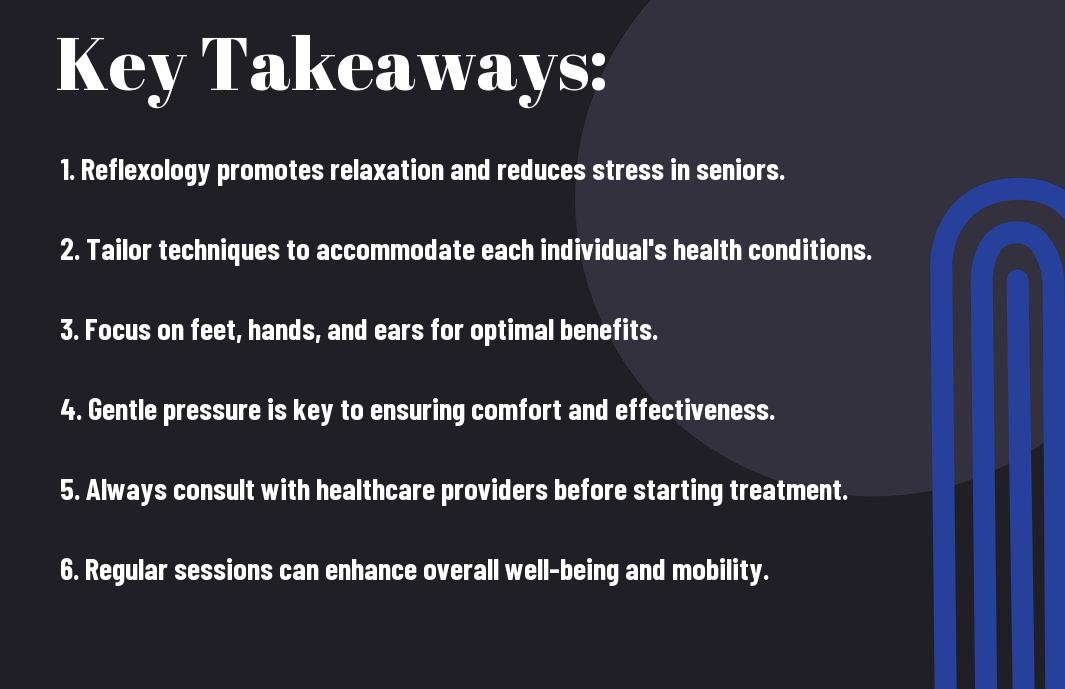
Now, when practicing reflexology with seniors, it is imperative to prioritize their health and safety. As we age, various health conditions can arise that may be exacerbated by certain techniques or pressure levels during a reflexology session. Understanding these conditions is vital for delivering safe and effective sessions. Staying informed about your client’s medical history, including any ongoing treatments or medications, can aid in tailoring your approach to their specific needs.
Health Conditions to Consider
Between arthritis, diabetes, and cardiovascular issues, seniors often face several health challenges that can influence reflexology practices. For instance, if your client has diabetes, you must pay special attention to their feet, as they may suffer from nerve damage or poor circulation. It’s equally critical to approach those with cardiovascular conditions gently, monitoring for any signs of discomfort or distress.
Contraindications for Reflexology in Seniors
By identifying conditions that are contraindicated for reflexology in seniors, you can safeguard their well-being during sessions. Some specific contraindications include recent surgeries, severe neuropathy, and skin infections. Reflexology may not only be inappropriate for these issues, but it could also potentially worsen the client’s situation.
It is imperative to exercise caution when working with seniors, as their bodies may respond differently to touch and pressure. Individuals dealing with more severe conditions, such as heart failure or severe osteoporosis, should avoid reflexology altogether unless supervised by a healthcare provider.
Importance of Professional Guidance
Reflexology can provide enormous benefits for seniors’ health, but seeking professional guidance is pivotal before initiating any treatment. Consulting with healthcare providers ensures that you have a full picture of your client’s health and any contraindications or conditions that should be factored into your reflexology practice.
Considerations from healthcare professionals can help you customize your techniques and choose the appropriate pressure levels, thereby fostering a safe environment for your clients. These insights encourage you to maximize the benefits of reflexology while minimizing any potential risks involved.
Reflexology Techniques
For those interested in exploring the world of reflexology, understanding the proper techniques is necessary for both effectiveness and safety when working with senior clients. Reflexology is a holistic approach that applies pressure to specific points on the feet, hands, and ears, believing that these points correspond to various organs and systems in the body. As you initiate on this journey, it’s vital to familiarize yourself with both basic and advanced techniques designed to cater to varying levels of experience and health needs.
Basic Reflexology Techniques for Beginners
Techniques in reflexology can be simple yet impactful, especially for those just starting out. You might begin with gentle thumb walking—pressing the thumb against the relevant reflex point while moving it slowly in a walking motion. This method allows for a gradual buildup of pressure, making it particularly suited to the sensitive feet of seniors. Also, the finger rotation technique involves using your fingers to make small circular motions on the reflex points; this promotes relaxation and eases tension.
Utilizing kneading or squeezing techniques can also be beneficial. These techniques help to stimulate circulatory flow and enhance overall well-being. Tailoring your approach to ensure a comfortable experience for your senior clients is necessary. Always pay attention to their feedback and adjust accordingly.
Advanced Techniques for Experienced Practitioners
Techniques in advanced reflexology involve a deeper understanding of anatomical structures and the body’s energy systems. As you progress in your practice, consider integrating techniques such as deep compression and advanced thumb walking for a more intense therapeutic experience. Chronic conditions may require specialized attention, where pinpointing specific areas can lead to significant relief. Moreover, integrating techniques like integrative rhythm or foot mapping can offer comprehensive treatment options, enhancing the benefits for senior clients.
| Technique | Description |
|---|---|
| Deep Compression | Using firm pressure on specific reflex points to relieve chronic tension. |
| Advanced Thumb Walking | Applying increased pressure while walking the thumb across different zones. |
Plus, to enhance effects further, consider vocalizing techniques such as breath synchronization. In this method, you instruct clients to breathe deeply while you work on their reflexes. This not only enhances relaxation, but it also helps them connect mentally with the process, promoting a deeper level of therapy throughout the session. Always keep an eye out for signs of discomfort and be ready to modify your approach as needed.
Techniques Specifically Tailored for Senior Health
Techniques designed specifically for senior health focus on promoting circulation, relieving pain, and enhancing mobility. These may include gentle strokes combined with reflex points stimulation which can aid in reducing stress and anxiety, common among older adults. Before starting any sessions, it’s necessary to minor any underlying health conditions or limitations that your senior client may have.
Furthermore, you can employ techniques that consider the fragility of skin and bone structure in this age group. Limited pressure should be applied to prevent injury or excessive discomfort. Using softer materials, maintaining optimal room temperature, and positioning clients comfortably will all assist in maximizing their overall experience.
Reflexology can offer positive health benefits, from improving sleep quality to boosting immune responses. Understanding and applying the appropriate techniques while keeping your clients’ safety in mind is vital for creating a successful therapeutic environment. By embracing these specialized techniques, you’ll not only enhance their well-being but also foster a sense of trust and relaxation that encourages your senior clients to engage more fully in their own health journey.
Preparing for a Reflexology Session
Many factors contribute to a successful reflexology session, and preparation plays a vital role. Ensuring you provide a safe and effective experience for seniors requires attention to detail. The more comfortable the environment, the more beneficial the session will be for your clients. Creating that inviting atmosphere starts with considering the surroundings where the session will take place.
Creating a Comfortable Environment
For seniors, a calm and soothing environment can significantly enhance the relaxation and therapeutic effects of reflexology. Aim to find a spot that is quiet, with soft lighting and a comfortable temperature. Consider using calming scents, like lavender or eucalyptus, through imperative oils or diffusers to promote relaxation. Additionally, ensure there are comfortable seating and support cushions available to assist in positioning your client in a way that is both comfortable and safe.
Furthermore, it is imperative to minimize any distractions during the session. Silence cell phones, turn off the television, and politely ask others in the home to keep noise levels to a minimum. This atmosphere of tranquility allows your client to focus solely on the reflexology experience, maximizing its benefits.
Essential Tools and Materials
After you have established a comfortable environment, you will need to gather the imperative tools and materials for the session. These items include reflexology charts for guidance, a comfortable chair for your client, foot mats or towels, and any preferred massage oils or lotions to enhance the experience. Having everything organized and within reach allows you to focus on delivering an effective session.
Important tools, like reflexology balls and rollers, can also assist in applying pressure more effectively, especially if the client has limited dexterity or mobility issues. Session preparation is not only about having the right tools but also ensuring that you understand how to use them to provide the best care possible for your patients.
Pre-Session Health Assessment
By conducting a thorough pre-session health assessment, you set the stage for a positive experience. Discuss your client’s medical history, current health issues, and any specific concerns they have about physical comfort or pain. Make notes of any medications they are on, as certain drugs might affect their reflexology treatment. This knowledge can guide you in determining which areas to focus on during the session and in planning appropriate techniques according to their health needs.
Take your time during this assessment phase; it allows for building trust and rapport, which can significantly influence how receptive your client is to the session. Open communication during this stage ensures that they feel safe discussing their conditions, which ultimately leads to a more tailored and beneficial reflexology experience.
Consequently, your reflexology session will not only be safe but also more effective, as you will be responding to individual health conditions and needs. This personalized approach enhances the therapeutic value of reflexology for seniors, ensuring that you provide them with the utmost care and attention they deserve.
A Step-by-Step Guide to Reflexology for Seniors
Despite the common misconceptions about reflexology being daunting, it can be a wonderful addition to wellness routines for seniors. This guide will help you navigate the various techniques safely and effectively, ensuring you or your loved ones can reap the benefits of this ancient practice.
| Preparation Steps | Description |
|---|---|
| Choose a Comfortable Space | Find a quiet, comfortable location where you can relax during the session, allowing for minimal distractions. |
| Gather Necessary Supplies | Use a soft towel, nourishing oil or lotion, and ensure your hands and feet are clean. |
| Set the Mood | Consider soft lighting and soothing music to create a calming atmosphere, enhancing the relaxing experience. |
Preparation Steps
An effective reflexology session begins with preparation. Ensure that your environment is conducive to relaxation, which can enhance the overall experience. You want to minimize any external noises or interruptions that could detract from your focus.
Additionally, collecting all necessary supplies beforehand can streamline the process. Using a nourishing lotion not only helps your hands glide smoothly but can also provide added benefits to the skin of the feet and hands.
Foot Reflexology Techniques
Reflexology for the feet involves applying pressure to specific reflex points that correspond to different organs and systems within your body. As you practice these techniques, start gently and gradually increase pressure where it feels comfortable. This can stimulate circulation, relieve tension, and promote overall wellness.
Incorporating techniques such as thumb walking, where you use the thumb to apply pressure in a walking motion across the foot, can be particularly effective. This movement targets reflex points, offering relief and relaxation to different body parts as you work on the feet.
But performing foot reflexology requires some mindfulness regarding the delicate nature of elderly feet. Ensure you check for any cuts, bruises, or conditions like bunions or corns before beginning. If you notice any issues, it’s advisable to seek medical advice before proceeding.
Hand Reflexology Techniques
Guide yourself through hand reflexology by focusing on the various zones in your hands that correlate with specific areas of the body. Use your thumb and fingers to apply pressure to these zones, following a gentle rhythm that provides comfort and promotes relaxation.
Pay special attention to the base of the thumb, which corresponds with the chest and lungs, and the webbing between the fingers, which can help alleviate stress. Ensure your pressure is consistently comfortable throughout your session, as individual sensitivity can vary significantly.
Another important aspect of hand reflexology is hydration. Keep your hands moisturized throughout the process to ensure a smoother application. This can help avoid any discomfort that may arise from friction during your techniques.
Incorporating Acupressure
Guide your sessions further by integrating acupressure, which can enhance the benefits of reflexology. By applying steady pressure to specific points, often found on the hands and feet, you can stimulate energy flow and alleviate discomfort. This practice can be particularly beneficial for seniors aiming to improve their overall energy levels and reduce fatigue.
Consequently, combining acupressure with reflexology may lead to a noticeable improvement in your well-being. You can feel the positive effects of this dual approach as it encourages both relaxation and revitalization, promoting a deeper connection between your mind and body.
Integrating Reflexology into Senior Care
To effectively enhance the well-being of senior individuals, reflexology can be integrated into their overall care routine. This practice is a comforting and gentle approach that aligns well with the needs of seniors. It can be particularly beneficial in managing common ailments associated with aging, such as chronic pain, stress, and poor circulation. By incorporating reflexology into your approach to senior care, you provide a pathway toward increased relaxation and improved health outcomes.
Incorporating Reflexology into a Wellness Routine
With its holistic benefits, reflexology can serve as a valuable addition to your wellness routine for seniors. You can schedule regular sessions, whether they are weekly or bi-weekly, depending on the individual’s needs and preferences. Allowing time for reflexology can create a serene experience that promotes better sleep, elevates mood, and enhances overall health. You might also consider integrating it with other wellness practices such as gentle exercises and balanced nutrition.
Additionally, you could tailor reflexology sessions to target specific health concerns. For instance, if a senior is experiencing edema, focusing on reflex points that correspond to the kidneys and lymphatic system may offer relief. Make sure to communicate openly with the senior about their experiences during sessions to provide an even more personalized approach.
Collaboration with Healthcare Professionals
About integrating reflexology into senior care, working alongside healthcare professionals is key to ensuring a holistic approach. Their expertise can provide insights into the senior’s health condition, paving the way for a smoother implementation of reflexology. You should encourage open dialogue between reflexology practitioners, caregivers, and healthcare teams so that everyone involved has a consistent understanding of the senior’s health goals.
For instance, if a senior is taking medications for hypertension, monitoring their blood pressure before and after reflexology sessions can be beneficial. This collaboration helps to ensure that reflexology complements medical treatments rather than conflicts with them. In this way, you can enhance the effectiveness of both reflexology and traditional healthcare.
Training and Certification for Caregivers
Beside collaborating with healthcare professionals, ensuring that caregivers are trained in reflexology practices is necessary. By receiving proper training and certification, caregivers can safely administer techniques that cater to the unique needs of seniors. Training covers not only the basic reflexology methods but also important safety practices that should be observed when working with older adults, who may have specific health considerations.
Due to the rising interest in reflexology, there are several organizations offering specialized programs focusing on senior care. You should look for certifications that investigate into anatomy, common ailments experienced by seniors, and techniques that are adapted to their physical capabilities. This not only enhances the quality of care provided but can also instill confidence and competence in caregivers.
Final Words
With this in mind, it is imperative for you to recognize the benefits that safe and effective reflexology techniques can bring to senior health. By implementing these practices, you can enhance circulation, reduce stress, and alleviate discomfort that often accompanies aging. The key is to ensure that you are utilizing techniques tailored specifically for seniors, which are gentle and consider any existing health conditions. Consulting with a licensed reflexologist will further ensure that you are following appropriate methods that promote your overall well-being.
Additionally, incorporating reflexology into your routine can serve as a valuable tool for fostering relaxation and connection, whether you are receiving treatment or sharing techniques with a loved one. As you engage in these practices, pay attention to your body’s responses, allowing you to customize your approach to suit your unique needs. By prioritizing your health through safe reflexology techniques, you are investing in not only your physical well-being but also your emotional and mental health as you navigate the senior years of life.

Leave a Reply