Over the course of your recovery after surgery, you may find that using cold and hot therapy packs presents specific challenges unique to seniors. Understanding these potential obstacles is key to enhancing your healing experience. From managing skin sensitivity to maintaining appropriate temperatures, navigating these challenges can significantly impact your comfort and recovery process. It’s vital to be aware of proper application techniques and possible mobility issues that may arise, ensuring you maximize the benefits of therapy packs while minimizing complications.
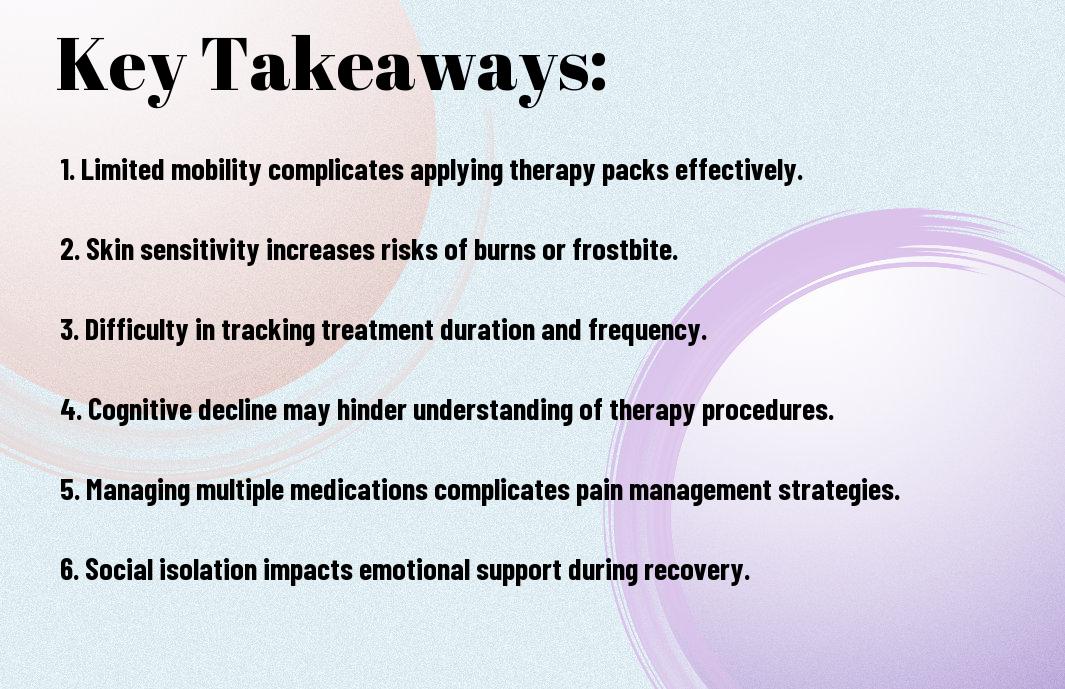
Key Takeaways:
- Mobility Issues: Seniors often struggle with mobility post-surgery, making it difficult to apply or reposition therapy packs effectively.
- Sensitivity to Temperature: Older adults may have increased skin sensitivity, increasing the risk of burns or discomfort from hot and cold packs.
- Understanding Instructions: Complicated usage instructions for therapy packs can lead to confusion, hindering proper application.
- Skin Conditions: Existing skin conditions, such as fragile skin or wounds, can complicate the safe use of hot and cold therapy.
- Consistency of Use: Adhering to a consistent therapy schedule is often challenging due to forgetfulness or pain levels affecting motivation.
Understanding Post-Surgery Recovery
Your post-surgical recovery is a vital phase that can significantly impact your overall health and well-being. Following surgery, you may experience a range of physical changes and emotional challenges that must be carefully managed. Effective post-surgical care can lead to faster recovery times, minimized risk of complications, and a smoother transition back to your daily life.
Importance of Post-Surgical Care
Around the clock, effective post-surgical care is imperative to monitor your healing progress and address any immediate concerns that could arise. This comprehensive approach supports not only physical recovery but also emotional well-being, providing you with the support needed to transition back into your routine.
Overview of Recovery Challenges
Across the spectrum of recovery, many seniors face significant challenges after surgery. These can include managing pain, navigating mobility restrictions, and dealing with the emotional toll of recovery. Each individual’s experience is unique, requiring tailored strategies that address your specific needs.
In addition, recovering from surgery often imposes limitations such as reduced activity levels which can lead to feelings of frustration and isolation. Adjusting to these new constraints while also managing medication side effects can complicate your recovery process. Engaging with healthcare professionals and loved ones can provide you with the necessary support to overcome these hurdles.
Role of Therapy Packs in Recovery
Beside medication, cold and hot therapy packs are valuable tools that can assist you in your recovery. These therapy packs can help reduce inflammation, alleviate pain, and improve blood circulation, making your healing process more manageable. Understanding how and when to utilize these therapies can vastly improve your comfort during recovery.
Also, using therapy packs can contribute to a more positive recovery experience by providing you with immediate relief and encouraging mobility when applied correctly. Having the right knowledge about application methods and timings ensures that you are maximizing the benefits while minimizing risks associated with improper use. This proactive approach helps pave the way for eventual independence and a return to your regular activities.
Challenge 1: Pain Management
Assuming you or a loved one has undergone surgery, managing pain effectively becomes a significant hurdle. One of the effective strategies in pain management is Using Cold and Heat Therapies | Senior Health Services. Upon your healing journey, understanding the types of pain you may experience can help tailor a more effective relief strategy.
Types of Pain Experienced Post-Surgery
One common issue after surgery is recognizing the different types of pain that occur:
| Acute Pain | Sudden onset pain that often reflects tissue damage. |
| Chronic Pain | Pain that persists beyond the typical recovery period. |
| Phantom Pain | Pain perceived in a limb that has been amputated. |
| Neuropathic Pain | Pain caused by nerve damage, often described as tingling or burning. |
| Referred Pain | Pain felt in a different area from where the injury occurred. |
Perceiving these different types of pain can help you communicate effectively with your healthcare provider, leading to better outcomes in your recovery.
Effectiveness of Cold and Hot Therapy
Therapy with hot and cold packs plays a significant role in managing pain after surgery. Applying cold therapy can reduce swelling and numb sharp pain, while heat therapy can relax and soothe sore muscles, improving blood flow. Both methods can be used interchangeably to enhance comfort and promote healing.
In fact, the use of cold therapy is not only effective in minimizing post-operative swelling but can also effectively numb the painful area to provide quick relief. Meanwhile, heat therapy aids in relaxation, which can be especially beneficial in addressing discomfort related to stiffness or soreness. When used appropriately, these therapies can significantly improve your overall recovery experience. Always consult with your healthcare professional to develop a safe and effective pain management plan tailored to your specific needs.
Challenge 2: Mobility Limitations
Once again, post-surgery recovery brings you face to face with the challenge of mobility limitations. Whether you’ve undergone a hip replacement or knee surgery, adjusting to reduced physical capability can be frustrating and daunting.
Range of Motion After Surgery
Around many individuals, you may notice a significant decrease in your range of motion following surgery. This can be due to swelling, pain, or the surgical procedure itself, making it difficult for you to engage in everyday tasks.
How Therapy Packs Impact Mobility
Before venturing into recovery strategies, you should understand that using hot and cold therapy packs can significantly influence your mobility. These packs can reduce pain and swelling, promoting a smoother rehabilitation process.
Hence, while applying cold therapy packs can help alleviate swelling and numb sharp pain, hot therapy packs may increase blood flow to injured tissue, facilitating healing. However, improper use could lead to skin damage or increased swelling. Therefore, it’s important to use therapy packs for limited periods and monitor your body’s response closely. If used correctly, they can enhance your overall mobility, allowing you to regain independence faster while minimizing discomfort.
Challenge 3: Skin Sensitivity and Irritation
Unlike younger individuals, seniors might experience increased skin sensitivity and irritation following surgery. This sensitivity can be exacerbated by the use of cold and hot therapy packs, which may lead to discouraging skin reactions that can complicate the healing process.
Common Skin Issues After Surgery
For many seniors, common skin issues after surgery may include redness, itchiness, and even blisters around the surgical site. These conditions can be due to a combination of surgical stress and the body adjusting to different types of temperature therapies.
Managing Skin Reactions to Therapy Packs
Below are several strategies that can help alleviate skin reactions to therapy packs. It’s advisable to limit the duration of exposure to ≤ 20 minutes and always use a protective layer, such as a towel, between your skin and the therapy pack to reduce direct contact.
Another important tip is to consistently check your skin for any signs of irritation while using the therapy packs. If you notice redness or discomfort, discontinue use immediately to avoid serious injuries or burns. You should also consider switching to packs specifically designed for sensitive skin, or opting for gentler temperatures. Applying a moisturizing lotion after therapy can help maintain your skin’s integrity and minimize reactions. Always consult your healthcare provider for tailored advice based on your individual condition.
Challenge 4: Swelling and Inflammation
After surgery, swelling and inflammation are common occurrences that can significantly impact your recovery process. These conditions occur as part of your body’s natural healing response, where increased blood flow and fluid accumulation aim to repair damaged tissues. However, these responses can lead to discomfort and may hinder your mobility, making it vital for you to manage the symptoms effectively.
Causes of Swelling Post-Surgery
Along with pain and limited movement, postoperative swelling can arise from various factors, including tissue damage, surgical trauma, and even fluid retention. Your body responds by sending more blood and fluids to the affected area, which can *result in swelling*. Additionally, the positioning of your body during surgery may contribute to localized inflammation, causing further discomfort.
Efficacy of Cold Therapy for Inflammation
One effective way to combat swelling and inflammation is through cold therapy. Applying cold packs to the affected area can significantly *reduce swelling by constricting blood vessels*, thereby limiting fluid accumulation. This technique not only alleviates discomfort but also accelerates your healing process, allowing you to regain mobility sooner.
For instance, using cold therapy soon after your surgery can dramatically enhance your comfort levels. The cold helps minimize inflammatory responses and can *prevent further tissue damage*. It’s vital to apply ice or cold packs intermittently, approximately 15-20 minutes at a time, while ensuring a barrier (like a cloth) between the cold source and your skin to avoid *frostbite*. Through timely and proper application, you can effectively use cold therapy to *manage swelling and ease your recovery*, ultimately improving your overall surgical experience.
Challenge 5: Accessibility and Usability of Therapy Packs
Many seniors face significant challenges when it comes to accessing and using therapy packs post-surgery. Ensuring that these therapeutic tools are both accessible and user-friendly is imperative for effective recovery.
Physical Challenges in Handling Therapy Packs
Around 40% of seniors report difficulty in managing therapy packs due to physical limitations. Factors such as reduced grip strength, limited mobility, or arthritis can hinder your ability to handle, apply, and remove these packs, making the recovery process more complicated.
Tips for Seniors on Effective Use
Along with seeking assistance from caregivers, you can adopt several strategies to enhance your use of therapy packs:
- Choose lightweight therapy packs that are easy to manipulate.
- Utilize straps or fasteners to secure packs in place.
- Incorporate handles for increased grip and control.
- Consider pre-made heat/cold packs that come with user-friendly packaging.
Recognizing these practical tips can simplify your experience and facilitate healing.
Even the most beneficial therapy packs must be used effectively for optimal recovery. Consider placing ice packs or heat packs in areas that are easily reachable. Ensure your environment is structured to allow easy access to your therapy packs. Setting up a designated area where you can comfortably apply your packs can also enhance usability. You may benefit by creating a routine to incorporate therapy into your day easily. Adapting to these strategies can significantly improve your therapeutic experience. Recognizing this adaptability can ease your recovery journey.
Summing up
Considering all points, as a senior recovering from surgery, you may encounter challenges such as skin sensitivities, understanding temperature limits, limited mobility, difficulty in maintaining consistent application, and potential confusion about treatment schedules. Being aware of these difficulties can help you take proactive steps to address them, ensuring a smoother recovery process. By implementing proper techniques and communicating with your healthcare provider, you can enhance your post-surgery experience with cold and hot therapy packs, ultimately aiding your healing journey.
FAQ
Q: What are the main challenges seniors face when using cold and hot therapy packs post-surgery?
A: Seniors often encounter several challenges, including limited mobility that makes it hard to apply or adjust the packs, skin sensitivity or fragility which may lead to discomfort or injury, difficulty remembering how long to apply the therapy, managing the temperature of the packs, and potential interactions with medications or conditions that may affect blood circulation.
Q: How can seniors safely use cold and hot therapy packs after surgery?
A: To use therapy packs safely, seniors should always follow their doctor’s instructions. They should test the temperature of the therapy packs before application, use a cloth barrier between the pack and their skin, and limit the duration of use to prevent skin damage. Setting a timer can help remind them when to switch between hot and cold pack applications.
Q: What should seniors be aware of regarding skin sensitivity when using heat or ice packs?
A: Seniors often have thinner, more delicate skin which can be prone to burns or frostbite. It is important for them to monitor their skin closely for any signs of redness or irritation. If there is any discomfort, they should remove the pack immediately. Consulting a healthcare provider for personalized advice based on skin condition may also be beneficial.
Q: Are there alternative therapy methods for seniors who struggle with cold and hot packs post-surgery?
A: Yes, there are alternative therapies such as using electric heating pads that allow for controlled temperature settings or moist heat packs that can provide relief without the risk of burns from dry heat. Additionally, gentle massage or exercises recommended by a physical therapist can also be effective in managing pain and stiffness without relying solely on temperature therapy.
Q: How can caregivers assist seniors in managing their hot and cold therapy post-surgery?
A: Caregivers can play a supportive role by helping seniors apply the therapy packs, ensuring the right temperatures, and keeping track of application times. They can also educate seniors about the signs of skin irritation, help with mobility issues when applying the packs, and provide reminders for scheduled therapy sessions to facilitate recovery.



Leave a Reply