
Article-at-a-Glance
- Raised beds and vertical growing systems can eliminate most bending and kneeling, making gardening accessible for seniors with mobility challenges.
- Specialized ergonomic tools with cushioned grips and extended handles can significantly reduce joint pain and strain for older gardeners.
- Strategic garden design with proper pathways and seating areas creates a safer environment that minimizes fall risks while maximizing enjoyment.
- Low-maintenance perennials and native plants require less physical effort while still providing the mental and emotional benefits of gardening.
- Simple watering solutions like drip irrigation systems can reduce the physical demands of garden maintenance while keeping plants thriving.
Why Gardening Matters Even More in Our Golden Years
Gardening in our later years isn’t just a hobby—it’s medicine for body and soul. Studies consistently show that regular gardening activities can reduce the risk of dementia by up to 36% while improving strength, flexibility, and cardiovascular health. As we age, the gentle movements of planting, weeding, and harvesting provide low-impact exercise that helps maintain mobility without straining aging joints. Beyond the physical benefits, there’s something deeply satisfying about nurturing life from seed to bloom that feeds our need for purpose and accomplishment.
The sensory experience of gardening—feeling rich soil between your fingers, inhaling the perfume of flowering plants, and savoring the taste of homegrown produce—stimulates cognitive function and elevates mood. For many seniors, gardening creates a meaningful connection to nature that becomes increasingly valuable as other activities may become more challenging. It’s also a beautiful way to create legacy, whether by sharing gardening wisdom with grandchildren or contributing to community beautification. With the right approach, gardening can remain a joyful part of life well into our golden years.
Best Garden Setup for Aging Bodies
Garden Design Principles for Seniors: Create zones based on maintenance needs with high-maintenance plants placed in easily accessible areas. Design wide, textured pathways (minimum 36″ for walker access) with gentle slopes rather than steps. Incorporate comfortable seating with armrests positioned in shaded areas throughout the garden for rest periods. Consider natural handholds like sturdy trellises or strategic fence placement for stability while moving through the garden space.
Creating a senior-friendly garden starts with thoughtful design that respects your changing abilities while maintaining the joy of gardening. The ideal setup minimizes strain and maximizes pleasure by bringing the garden up to you rather than forcing you down to ground level. Think about your garden spaces as extensions of your home—they should be just as accessible and comfortable. Start by identifying the sunniest, most easily reached areas near your home for your most frequently tended plants. Reserve more distant garden areas for low-maintenance perennials or native plants that thrive with minimal intervention.
Consider transforming your garden gradually rather than attempting a complete overhaul. Focus first on creating safe, stable pathways between garden areas, ensuring they’re wide enough for mobility aids if needed. Installing simple handrails along garden paths can provide added security without detracting from the garden’s beauty. Remember that garden design isn’t just about plants but about creating a space where you can safely enjoy your passion for years to come. The most successful senior gardens evolve thoughtfully with their caretakers, adapting to changing needs while preserving the essential joy of growing things.
Raised beds are perhaps the single most transformative addition to a senior-friendly garden, bringing the growing surface up to a comfortable working height. The ideal height depends on your specific needs—24-30 inches works well for seated gardening while 36-42 inches is perfect for standing work without bending. Look for beds with a ledge around the perimeter which provides not only a convenient place to rest tools but also a spot to sit while working. Width matters too—keep beds narrow enough (typically 3-4 feet) to reach the center without straining.
Container Gardens for Limited Mobility
Container gardening offers unmatched flexibility for seniors, allowing you to bring the garden exactly where you need it. Large, lightweight pots made from composite materials provide ample growing space without becoming impossibly heavy to move. Consider placing containers on rolling platforms or investing in self-watering models that reduce maintenance demands. The beauty of container gardens lies in their adaptability—they can be positioned at perfect working heights on tables, stands, or even wall-mounted systems.
Even modest-sized containers can produce impressive harvests when filled with the right plants. Herbs, salad greens, cherry tomatoes, and bush beans all thrive in containers while providing fresh ingredients just steps from your kitchen. For decorative options, consider trailing flowers like calibrachoa or container-friendly perennials such as lavender or small ornamental grasses. The concentrated nature of container soil means plants need more consistent watering, but this can be mitigated with moisture-retaining additives or simple drip systems that deliver water directly to the roots.

Vertical Growing Systems That Eliminate Bending
Vertical gardening transforms the traditional gardening experience by using wall space, trellises, and specialized structures to grow plants upward instead of outward. For seniors, this approach means virtually no bending or kneeling while still enjoying a productive garden. Simple options include securing cattle panels into gentle arches for growing cucumbers or beans, or installing stackable planter systems against sunny walls. More elaborate setups might include hydroponic tower gardens that circulate nutrient-rich water while growing dozens of plants in a compact footprint.
Garden Path Design for Safe Navigation
Thoughtfully designed garden paths create the foundation for safe gardening as we age. The ideal path provides stable, non-slip footing in all weather conditions while being wide enough to accommodate mobility aids if needed. Materials matter tremendously—avoid loose gravel or mulch that can shift underfoot, instead opting for firmly packed decomposed granite, textured concrete, or interlocking pavers with minimal gaps. Edges should be clearly defined with contrasting colors or physical borders to help with depth perception and prevent missteps.
Lighting becomes increasingly important as our vision changes with age. Solar path lights require no wiring and provide gentle illumination that marks the way during early morning or evening garden sessions. Consider incorporating gentle slopes rather than steps whenever possible, and where elevation changes are necessary, install sturdy handrails on both sides of the path. Remember that a well-designed path network should connect all key garden areas while providing direct routes to comfortable seating spots where you can rest and enjoy the fruits of your labor.
Creating shaded rest stations along longer garden paths allows for comfortable breaks while working. A simple bench under a pergola covered with flowering vines offers both respite and beauty. Position these seating areas to provide the best views of your garden, transforming necessary rest periods into opportunities for contemplation and enjoyment. The most successful garden paths evolve with your needs, gradually becoming wider or more supported as mobility changes over time.
Smart Tools That Make Gardening Easier
The right tools can transform gardening from painful to pleasurable for seniors. Ergonomically designed implements reduce strain on aging joints while extending your reach and leverage. Look for the AMES Arthritis Foundation certified line of garden tools specifically engineered with seniors in mind, featuring cushioned grips and specialized designs that maximize power with minimal effort. When selecting any garden tool, prioritize lightweight materials like aluminum or carbon fiber that won’t cause fatigue during extended use. To further support your gardening efforts, consider incorporating key exercises for seniors to enhance balance and strength.
Many seniors find that a tool audit makes a tremendous difference in their gardening experience. Take inventory of your existing implements and consider which ones cause discomfort or struggle. These are prime candidates for upgrading to more age-friendly alternatives. Remember that the most expensive tool isn’t necessarily the best—instead, look for features that address your specific challenges, whether that’s grip strength, reach limitations, or balance concerns. Your local garden center may offer “try before you buy” opportunities that let you test how tools feel in your hands before investing.
Ergonomic Tools That Prevent Hand Strain
Tools designed with ergonomics in mind can make all the difference for seniors with arthritis or decreased hand strength. Look for pruners and clippers with rotating handles that move with your hand’s natural motion rather than fighting against it. Radius Garden tools feature circular grips that distribute pressure evenly across the palm instead of concentrating force on specific pressure points. For smaller tasks like transplanting or weeding, consider tools with perpendicular handles that keep wrists in a neutral position, preventing the pain that comes from repeated twisting motions.
Many excellent ergonomic tools feature brightly colored handles that make them easier to find when set down in the garden. This seemingly small feature can prevent frustration and unnecessary bending to search for misplaced tools. Grip materials matter tremendously—soft, textured coatings provide secure handling even when hands are wet or soil-covered. Some specialized tools even offer forearm supports that transfer work from small hand muscles to larger, stronger arm muscles, making prolonged gardening sessions possible even for those with significant hand limitations.
Long-Handled Tools to Reduce Bending
Extended-reach tools have revolutionized gardening for seniors by virtually eliminating the need to bend or kneel. Telescoping handles on weeders, cultivators and pruners can be adjusted to the perfect length for your height and the task at hand. Stand-up weeders like the Fiskars Weed Puller allow you to extract deep-rooted weeds without bending—simply position the toothed end over the weed, step down on the foot platform, and pull the handle to extract the entire root system cleanly.
For harvesting fruits or pruning higher branches, consider tools with geared mechanisms that multiply your hand strength while extendable handles keep you safely on the ground. Corona’s ExtendaGrip fruit harvester reaches up to 14 feet while protecting delicate fruits in its cushioned basket. When shopping for long-handled tools, test their weight distribution carefully—poorly balanced implements can cause shoulder strain or compromise control. The ideal extended tool feels like a natural extension of your arm, with weight concentrated near your hand rather than at the far end.
Garden Seats and Kneelers Worth Investing In
A proper garden seat can extend your gardening sessions by providing comfortable, stable rest whenever needed. The Garden Kneeler and Seat by Ohuhu offers dual functionality—flip it one way for cushioned kneeling with supportive handrails for lowering and raising yourself, then turn it over for a stable sitting platform at perfect weeding height. For more extended seated work, consider the Garden Hopper rolling seat with attached tool caddy and built-in storage beneath the seat. These specialized seats typically feature pneumatic tires that roll easily over uneven garden surfaces while providing stable support.
Low-Maintenance Plants Perfect for Senior Gardeners
Selecting the right plants is perhaps the most powerful way to create a more manageable garden in your senior years. Low-maintenance doesn’t mean boring—many of the most carefree plants offer spectacular blooms, interesting textures, and extended seasons of interest. The key is choosing varieties naturally adapted to your local conditions that require minimal intervention once established. Consider transitioning portions of your garden to these worker-friendly plants gradually, focusing first on areas that are difficult to access or maintain.
Another smart strategy is grouping plants with similar water and light requirements together, creating efficient care zones that streamline maintenance. Many seniors find that reducing the diversity of plant varieties while increasing the number of each type creates a more cohesive, easier-to-maintain garden that still offers seasonal change and visual interest. This approach also simplifies garden knowledge—rather than remembering the specific needs of dozens of different plants, you can focus on mastering the care of a smaller palette of reliable performers. For those with limited mobility challenges, this strategy can make gardening more accessible and enjoyable.
Perennials That Come Back Year After Year
Perennials offer tremendous value for senior gardeners by eliminating the need for annual replanting while providing reliable beauty year after year. Coneflowers (Echinacea) deliver months of colorful blooms that attract butterflies and birds, require almost no maintenance, and tolerate both drought and poor soil. For shady areas, consider Hostas with their stunning foliage ranging from blue-green to gold—these workhorses grow more impressive each year and need division only every 4-5 years. Ornamental grasses like Feather Reed Grass (Calamagrostis) provide vertical interest, winter structure, and require just one annual cutting back in early spring. By selecting long-lived perennials matched to your climate zone, you can create a foundation garden that largely takes care of itself.
Drought-Resistant Plants That Need Less Watering
Water-wise plants significantly reduce one of gardening’s most physically demanding tasks—hauling hoses and watering cans. Lavender not only survives with minimal irrigation once established but offers fragrant foliage, attractive flowers, and culinary uses. Russian Sage creates clouds of lavender-blue flowers on silvery stems that need virtually no supplemental water after their first season, while simultaneously deterring deer and attracting beneficial pollinators.
For colorful, drought-resistant groundcovers, consider Sedum varieties like ‘Autumn Joy’ that store water in fleshy leaves and provide nectar for butterflies. These succulents thrive in poor soil and actually perform better without pampering. In warmer regions, ornamental agaves create architectural focal points requiring water perhaps once monthly even during summer heat.
Creating a drought-tolerant garden doesn’t mean sacrificing color or seasonal interest. Yarrow offers feathery foliage and flat-topped flower clusters in shades ranging from yellow to deep red, while needing minimal water once established. Gaura produces airy wands of white or pink flowers that dance in the slightest breeze from early summer through fall frost, all while requiring little more than occasional rainfall to thrive. The key to success with water-wise plants lies in proper establishment—providing regular water for the first season allows plants to develop deep, resilient root systems that support drought tolerance in subsequent years.
- Black-eyed Susans (Rudbeckia) – Cheerful yellow flowers with dark centers that bloom for months and reseed readily
- Catmint (Nepeta) – Gray-green aromatic foliage with lavender-blue flowers that rebloom after shearing
- Yucca – Architectural evergreen rosettes with dramatic summer flower spikes
- Stonecrop (Sedum) – Succulent foliage in various colors with late-season blooms that persist through winter
- Lamb’s Ears (Stachys byzantina) – Soft, silvery foliage that creates excellent textural contrast and tolerates poor soil
Easy-to-Grow Vegetables for Senior Gardeners
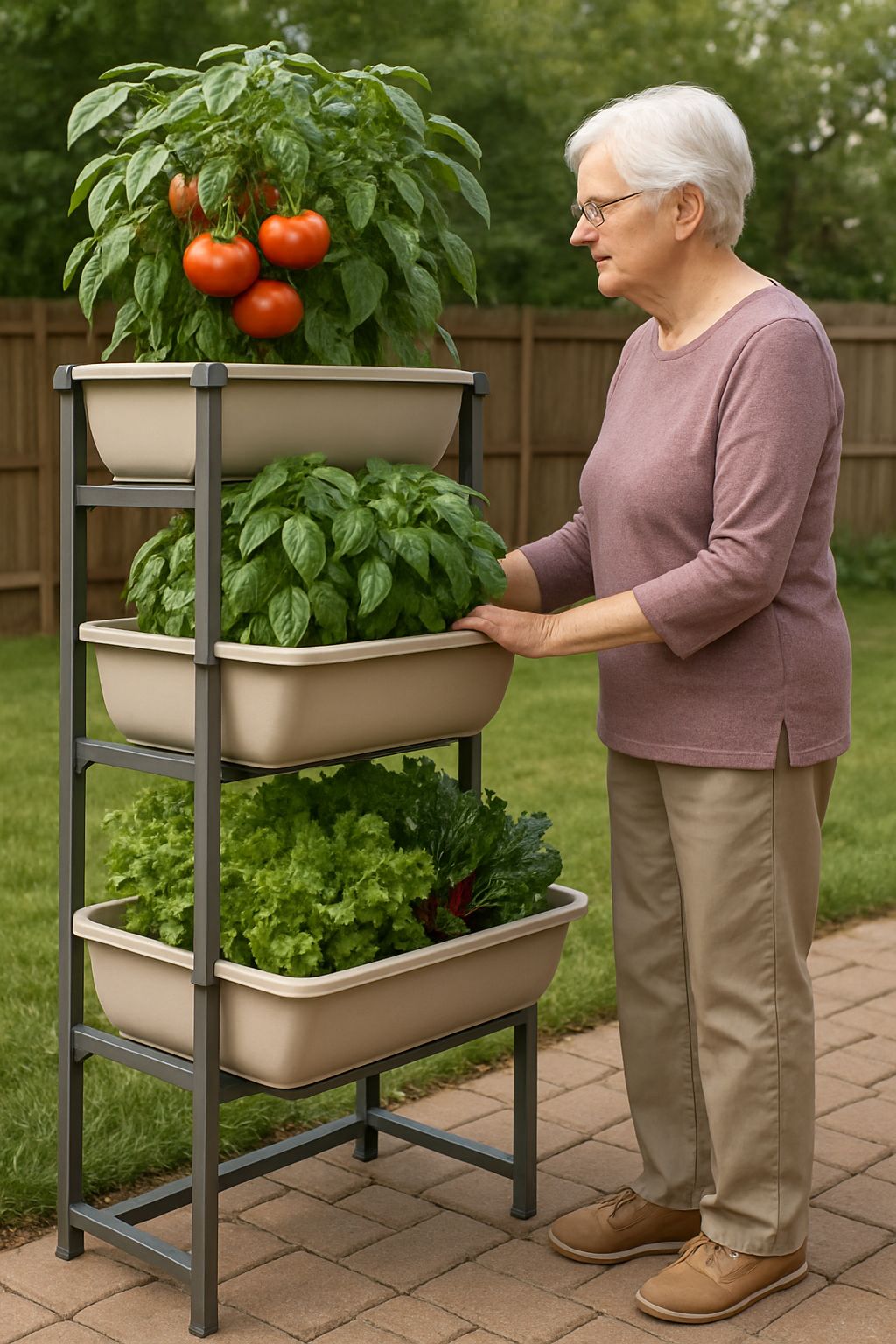


Growing your own vegetables provides both nutritional and emotional benefits, but some crops are far more senior-friendly than others. Bush beans offer tremendous yields with no staking required and produce over several weeks with regular picking. Their large seeds are easy to handle, and most varieties mature quickly—providing harvests in as little as 50-60 days from planting. Swiss chard delivers months of nutritious greens from a single planting and continues producing through light frosts, offering excellent return on your gardening effort. Unlike many greens, chard doesn’t bolt in summer heat, making it one of the most forgiving vegetables in the garden.
Cherry tomatoes like ‘Sun Gold’ or ‘Sweet 100’ produce abundant fruits with minimal care when grown in self-watering containers positioned at comfortable working height. For root vegetables, consider radishes which mature in just 21-28 days and can be grown in shallow containers. Herbs like rosemary, thyme and sage offer culinary value year-round while requiring minimal maintenance beyond occasional harvesting. These Mediterranean herbs actually perform better with some neglect, preferring dry conditions that would cause many other plants to fail. By focusing on these resilient edibles, senior gardeners can enjoy homegrown flavor without exhausting physical demands.
Native Plants That Thrive With Minimal Care
Native plants offer senior gardeners the ultimate low-maintenance solution, having evolved perfectly to local soil conditions, rainfall patterns, and climate fluctuations. Purple coneflower (Echinacea purpurea) attracts butterflies and goldfinches while thriving in average soil with minimal supplemental water. Butterfly weed (Asclepias tuberosa) provides weeks of orange blooms followed by interesting seed pods, supporting monarch butterflies while requiring almost no care beyond admiration. Black-eyed Susans establish quickly from inexpensive seed, spread reliably to fill spaces, and provide cheerful yellow flowers that brighten the late summer garden when many other plants have finished blooming. By incorporating these and other natives appropriate to your region, you create a resilient garden that connects you to local ecology while demanding very little physical effort in return.
For more tips on maintaining an active lifestyle, explore key exercises for seniors.
Simple Watering Solutions
Watering remains one of the most physically demanding aspects of gardening, especially for seniors. Hauling heavy watering cans or managing unwieldy hoses can quickly transform a pleasant hobby into an exhausting chore. Smart watering solutions not only conserve this precious resource but also spare your body unnecessary strain. The key is to deliver water directly to plant roots where it’s needed most, minimizing waste while maximizing plant health.
When designing your watering system, consider consolidating plants with similar moisture requirements to create hydrozones. This practice allows you to water more efficiently and avoid the common problem of overwatering some plants while underwatering others. For container gardens, grouping pots together creates a microclimate with higher humidity that reduces overall water needs. Remember that proper soil preparation with organic matter significantly improves moisture retention, meaning less frequent watering is needed even during hot weather.
Drip Irrigation Systems: Set It and Forget It
Drip irrigation systems deliver water slowly and directly to plant roots, reducing water usage by up to 60% compared to conventional watering methods. These systems consist of flexible tubing with small emitters that release water at a controlled rate. Modern kits from companies like Rainbird and DripWorks are designed for DIY installation with simple push-fit connections requiring no special tools. Once installed, they can be connected to automatic timers that handle watering schedules without any physical effort on your part.
For raised beds, consider installing drip lines under a layer of mulch where they’re protected from sun damage and create even less visual distraction in your garden. Soaker hoses offer an even simpler alternative – these porous hoses “weep” water along their entire length and can be snaked through garden beds or around container groupings. The slow delivery rate means water penetrates deeply rather than running off, promoting stronger root systems that require less frequent irrigation.
Self-Watering Containers That Reduce Effort
Self-watering containers have revolutionized container gardening for seniors by extending the time between watering sessions from days to weeks. These clever designs incorporate a reservoir in the bottom that supplies water to plants through capillary action or wicking systems. The Earthbox growing system, developed by commercial tomato growers, features a water reservoir that holds several gallons and can sustain plants through extended hot periods. For a budget-friendly option, many seniors successfully convert 5-gallon buckets into self-watering planters using simple online tutorials.
When selecting self-watering containers, look for models with visible water level indicators that eliminate guesswork about when refilling is necessary. Position containers near downspouts to capture rainwater naturally, further reducing the need to haul water. For mobility-challenged gardeners, consider wall-mounted rain barrels with spigots positioned at the perfect height for filling watering cans without bending.
Water-Saving Mulching Techniques
A three-inch layer of organic mulch can reduce watering needs by up to 70% while simultaneously suppressing weeds – another labor-intensive garden task. Shredded leaves, straw, or wood chips create an insulating layer that slows evaporation while gradually decomposing to improve soil structure. For seniors, the most practical mulching approach is to have materials delivered and dumped as close as possible to garden beds, then moved in small, manageable amounts using a lightweight cart or bucket.
Consider specialized water-retaining mulches for containers and hanging baskets. Products like coconut coir hold up to ten times their weight in water and release it gradually to plant roots. A top-dressing of these materials can extend the interval between watering sessions significantly. Remember that proper mulching extends several inches away from plant stems to prevent rot issues while covering the entire root zone where moisture is needed most.
Garden Safety Tips for Seniors
Safe gardening begins with recognizing and respecting your changing physical capabilities. Gardening should leave you pleasantly tired, not painfully exhausted or injured. The key is adopting a strategic approach that preserves the joy while minimizing risks. Start each gardening session with realistic goals – accomplishing one small task completely often provides more satisfaction than partially completing several larger projects. For those with limited mobility challenges, consider incorporating exercises that can enhance your gardening experience.
Create a gardening rhythm that works with your body rather than against it. Short, frequent sessions spread throughout the week generally work better than marathon weekend efforts. Consider tracking energy levels to identify your personal prime gardening time – for many seniors, this is mid-morning when stiffness has subsided but fatigue hasn’t yet set in. Above all, remember that gardening is meant to enhance wellbeing, not compromise it – there’s no prize for pushing through pain or risking falls to complete garden chores.
Best Times of Day to Garden
Timing your garden work strategically can dramatically improve both safety and enjoyment. Early morning hours, particularly between 7-10am, offer cooler temperatures and gentle light that reduces heat stress while providing optimal visibility. Morning gardening also allows you to check for overnight pest damage when it’s easiest to address. For those with arthritis, this timing often coincides with when joint stiffness has subsided but before afternoon fatigue sets in.
Late afternoon gardening, after the day’s peak heat has passed, offers another comfortable window for garden work. However, seniors should be cautious about gardening too close to dusk when failing light can create tripping hazards and make it difficult to spot obstacles. Regardless of timing, always check the weather forecast before heading out – extreme heat, high humidity, or approaching storms signal days better spent planning garden projects indoors rather than implementing them outside.
Sun Protection Essentials
Aging skin becomes increasingly vulnerable to sun damage, making proper protection non-negotiable for senior gardeners. A wide-brimmed hat with at least a 3-inch brim provides crucial protection for face, ears, and neck – areas particularly prone to skin cancers. Look for hats with UPF (Ultraviolet Protection Factor) ratings and mesh ventilation panels that allow heat to escape while keeping harmful rays out. For those who wear glasses, consider transition lenses that darken automatically in bright conditions or wraparound sunglasses that protect peripheral vision from UV exposure.
Long-sleeved shirts designed specifically for gardening offer significant advantages over ordinary clothing. Brands like Coolibar and Columbia produce lightweight garments with UPF 50+ protection, moisture-wicking properties, and ventilation panels to prevent overheating. These specialized garments often include features particularly valuable for seniors, such as extra-long backs that stay tucked in during bending motions and reinforced forearms that resist thorn scratches. Remember that sun protection isn’t just about preventing long-term damage – it directly affects your immediate comfort and stamina in the garden.
Staying Hydrated While Gardening
Proper hydration becomes increasingly critical as we age, especially during active pursuits like gardening. Seniors experience diminished thirst sensation, meaning you may not feel thirsty even when your body urgently needs fluids. The solution is scheduled drinking – place filled water bottles at several locations around your garden and establish regular sipping breaks regardless of thirst. A good rule of thumb is consuming 4-6 ounces of water every 30 minutes during moderate garden activity, increasing to 8 ounces during warmer weather.
Consider freezing half-filled water bottles overnight then topping them off before heading to the garden – this provides refreshingly cold water that gradually melts as you work. For longer gardening sessions, alternate plain water with electrolyte-enhanced beverages that replace vital minerals lost through perspiration. Avoid caffeinated or alcoholic drinks while gardening as these accelerate fluid loss and can impair balance. Remember that many common medications increase susceptibility to dehydration, making consistent fluid intake even more important for seniors taking daily prescriptions.
How to Prevent Common Garden Injuries
Preventing garden injuries starts with proper body mechanics that protect vulnerable joints. Use your legs, not your back, when lifting by bending at the knees while keeping your spine in neutral alignment. When working at ground level, kneel on a padded surface rather than bending forward at the waist, which places tremendous strain on the lower back. For activities requiring repetitive hand motions like pruning, take frequent breaks and alternate between different tasks to prevent overuse injuries. Simple stretching before and after gardening sessions helps maintain flexibility and reduces muscle soreness.
Be particularly mindful of balance challenges that become more pronounced with age. Always keep one hand free for stability when navigating uneven garden terrain, and use walking aids without hesitation if they help prevent falls. Consider wearing shoes specifically designed for gardening with slip-resistant soles, ankle support, and puncture-resistant bottoms that protect against hidden hazards. These purpose-built garden shoes typically feature easy on-off designs that accommodate the natural foot swelling that occurs during extended gardening sessions.
Community Resources That Support Senior Gardeners
No senior gardener needs to struggle alone when communities offer abundant resources designed specifically to support aging garden enthusiasts. Master Gardener programs through local Cooperative Extension offices frequently offer personalized garden consultations, helping seniors redesign existing gardens for easier maintenance. These trained volunteers can recommend appropriate plant selections for your specific challenges and often provide hands-on demonstrations of adaptive gardening techniques.
Intergenerational gardening programs connect seniors with younger volunteers who provide physical assistance while benefiting from the wealth of gardening knowledge seniors have accumulated. Organizations like GreenThumb and community gardens often reserve accessible raised beds specifically for older gardeners, providing social connection alongside gardening opportunities. Many botanical gardens offer specialized workshops addressing the unique needs of senior gardeners, covering topics from container gardening to low-maintenance native plants.
Don’t overlook faith communities and senior centers as valuable gardening resources. Many churches maintain volunteer teams specifically to help aging members with seasonal garden maintenance, while senior centers often organize garden tool-sharing programs that give access to specialty equipment without the expense of purchasing rarely-used items. The key is reaching out before garden tasks become overwhelming—most community organizations are delighted to help seniors maintain their gardening passion but may need advance notice to coordinate volunteer assistance.
Garden Clubs Specifically for Older Adults
Senior-focused garden clubs offer perfect environments for sharing age-appropriate gardening techniques while fostering meaningful social connections. Unlike general garden clubs that may schedule physically demanding activities, these specialized groups design programs with accessibility in mind. Look for clubs like the Garden Club of America’s “Gardens for Seniors” initiative or the National Garden Clubs’ “Gardening Study Schools” that offer seated demonstrations, accessible field trips, and modified techniques for common gardening challenges. Beyond the practical benefits, these communities provide emotional support during the sometimes difficult transition to adapted gardening methods.
Finding Help When Heavy Lifting is Needed
Even the most carefully designed senior garden occasionally requires assistance with physically demanding tasks. Services like GreenPal (essentially “Uber for lawn care”) connect homeowners with pre-screened local providers for one-time heavy garden tasks without long-term commitments. Many high schools and Scout troops seek community service opportunities, particularly in spring and fall when garden cleanup is most needed. These young volunteers bring energy and strength to tasks like spreading mulch or turning compost, often requiring nothing more than clear direction and perhaps refreshments. For seniors, maintaining flexibility can also be crucial, and incorporating foods that keep joints flexible can complement the physical assistance provided by volunteers.
For regular but infrequent help, consider creating a “garden sharing” arrangement with a younger neighbor who gains access to growing space in exchange for handling heavier garden tasks. This mutually beneficial relationship often evolves into meaningful intergenerational friendships centered around shared harvests. When hiring professional help becomes necessary, look for certified horticultural therapists who specialize in creating and maintaining gardens for seniors—these trained professionals understand both plant needs and human limitations, making them uniquely qualified to support aging gardeners.
Keep Growing at Any Age
- Start where you are – adapt your existing garden gradually rather than attempting complete transformation
- Focus on what brings joy – prioritize plants and activities that provide the most satisfaction
- Embrace new methods – be open to different approaches that accomplish the same gardening goals with less physical strain
- Connect with others – share both challenges and successes with fellow gardeners who understand
- Document your garden journey – photos and journals preserve garden memories even during seasons when active gardening isn’t possible
The essence of gardening transcends physical capability—it’s about nurturing life, connecting with nature’s rhythms, and experiencing the profound satisfaction of helping things grow. As we age, our gardening practices may need modification, but the core joys remain accessible with thoughtful adaptation. The most successful senior gardeners approach these changes not as limitations but as opportunities to discover new plants, techniques, and connections that might have been overlooked in more physically demanding gardening years. Embracing new methods can also involve exploring key exercises for seniors to maintain physical health and stamina for gardening activities.
Remember that gardening wisdom accumulates even as physical strength may diminish. Your experience recognizing subtle signs of plant distress, understanding local growing conditions, and anticipating seasonal changes represents invaluable knowledge that continues developing throughout life. Many seniors discover unexpected satisfaction in mentoring newer gardeners, finding that sharing hard-won gardening insights creates meaningful purpose while building community connections. Consider documenting your unique gardening knowledge through photographs, journals, or even simple voice recordings that preserve this wisdom for future generations. For more ideas on how gardening can be adapted for older adults, check out these tips for making gardening safe and easy.
Perhaps most importantly, approach each gardening season with gentle self-compassion and flexibility. Some days may offer energy for only brief garden visits while others might allow more active participation. Both experiences have value. By adapting expectations while preserving connection to the natural world, gardening can remain a source of joy, purpose, and wellbeing throughout our golden years. The garden itself becomes a perfect teacher of this balanced approach—demonstrating that growth continues through all seasons of life, each with its own distinct beauty and purpose.
Frequently Asked Questions
Senior gardening presents unique challenges that often generate specific questions about maintaining this beloved hobby while accommodating changing physical abilities. The following questions represent those most commonly asked by aging gardeners seeking to preserve their connection to plants and outdoor spaces. While individual circumstances vary, these general guidelines provide starting points for adapting garden practices to match your current capabilities and goals. Additionally, consider exploring foods that keep joints flexible to support your gardening activities.
Remember that successful garden adaptations typically happen gradually rather than through dramatic overhauls. Begin by addressing your most significant gardening challenges while maintaining familiar elements that bring joy. This balanced approach preserves the emotional benefits of gardening while reducing physical demands to manageable levels. Consider these adaptations as adding new gardening skills rather than giving up cherished practices—an evolution rather than a limitation of your gardening experience.
For personalized guidance beyond these general recommendations, consider consulting with a horticultural therapist who specializes in creating accessible gardens for seniors. These professionals combine plant knowledge with understanding of physical limitations to develop customized solutions for specific gardening challenges. Many botanical gardens, rehabilitation centers, and senior living communities maintain connections with certified horticultural therapists who offer consultations specifically for aging gardeners.
Adaptive Gardening Resources for Seniors:
AgrAbility – www.agrability.org – National program offering solutions for gardeners with physical limitations
Gardening Matters – www.gardeningmatters.org/accessible-gardening – Free guides for creating accessible gardens
Eldergrow – www.eldergrow.org – Indoor therapeutic gardening programs for seniors
Arthritis Foundation – www.arthritis.org/health-wellness/healthy-living/managing-pain/pain-relief-solutions/gardening-with-arthritisHow can I garden if I use a wheelchair or walker?
Gardening from a wheelchair or with a walker requires thoughtful design but remains entirely possible with the right setup. Raised beds constructed at 24-30 inches high with knee clearance underneath allow wheelchair users to work comfortably without transferring. Pathways should be firm, level, and at least 36 inches wide (48 inches ideal) to accommodate mobility devices, with turning radiuses of 5 feet at key points. Consider L-shaped or U-shaped bed arrangements that maximize accessible planting area within arm’s reach. Vertical gardens mounted at eye level from a seated position offer another excellent option, with hanging pockets or wall-mounted containers positioned for easy access. For those using walkers, beds with sturdy edges provide stable leaning surfaces, while strategically placed garden benches offer rest points during longer gardening sessions.
Feature
Standard Garden
Wheelchair-Accessible Garden
Path Width
18-24 inches
36-48 inches minimum
Surface Material
Varied (mulch, stepping stones)
Firm, level (concrete, compacted granite)
Working Height
Ground level to 36 inches
24-30 inches with knee clearance
Reach Required
Up to 2 feet in all directions
Maximum 2 feet forward, 1.5 feet sideways
Tool Storage
Often centralized in shed
Distributed at working height throughout garden
Specialized tools can further enhance gardening access for wheelchair users or those with walkers. Consider ergonomic hand tools with wrist cuffs for users with limited grip strength, or telescoping tools that extend reach without leaning. Many mobility device users successfully garden using rolling carts positioned alongside their chairs to transport plants, soil, and tools. Lightweight coiled hoses with quick-release attachments eliminate struggling with heavy watering equipment. Remember that successful wheelchair gardening often means bringing plants closer rather than trying to adapt to existing garden layouts – container groupings positioned at appropriate heights may provide more satisfaction than struggling to maintain traditional ground-level plantings.
What are the best vegetables for seniors to grow with limited strength?
The ideal vegetables for seniors combine easy care with good nutritional value and extended harvesting periods. Leafy greens like kale, Swiss chard, and loose-leaf lettuce provide continuous harvests through cut-and-come-again harvesting – simply snip outer leaves while leaving the growing center intact. These nutrition powerhouses require minimal support, have shallow root systems perfect for raised beds, and offer weeks of harvest from a single planting. Bush beans eliminate the need for trellising while providing protein-rich harvests that can be picked while standing using ergonomic reachers. Cherry tomatoes in determinate (bush) varieties like ‘Tiny Tim’ or ‘Patio Choice Yellow’ stay naturally compact while producing abundantly, perfect for container growing at comfortable heights. For root vegetables, consider radishes which mature in just 21-28 days, or Japanese turnips like ‘Hakurei’ that can be harvested small and tender without requiring significant digging effort.
How do I convert my existing garden to be more senior-friendly?
Converting an existing garden to better accommodate aging bodies works best as a gradual process focused on your highest-priority challenges. Start by honestly assessing which garden areas and activities cause the most difficulty, then address these specific pain points rather than attempting a complete garden overhaul. For many seniors, the first step is creating stable, non-slip pathways connecting key garden areas – this fundamental improvement enhances safety while making the entire garden more accessible. Next, consider elevating your most frequently tended plants using raised beds, tall containers, or vertical growing systems. For additional support, explore foods that keep joints flexible to maintain mobility and ease in the garden.
If budget constraints make constructing permanent raised beds impractical, consider temporary elevation using concrete blocks with boards across the top, or repurposing old furniture like dressers and bookshelves as planting surfaces. Strategically placed seating throughout the garden creates rest stations that extend comfortable gardening time. Rather than removing cherished but challenging plants, consider propagating small divisions to relocate to more accessible locations while gradually transitioning difficult areas to low-maintenance groundcovers or native plant communities.
Remember that garden conversion succeeds best when preserving elements that bring you joy while modifying those that cause frustration. For many seniors, hiring help for specific seasonal tasks like spring cleanup or fall bed preparation allows independent maintenance of favorite garden areas during peak growing seasons. Consider documenting your garden layout, plant varieties, and care requirements – this resource supports successful collaboration with helpers while preserving your garden knowledge for future reference. The most successful senior garden conversions happen incrementally over several growing seasons, allowing time for both physical adaptation and emotional adjustment to new gardening methods.
What exercises help maintain the strength needed for gardening?
Targeted exercises that mimic gardening movements can significantly enhance your ability to maintain independence in the garden. Focus on improving grip strength through simple daily exercises like squeezing a soft ball or kneading therapy putty for 5-10 minutes – these activities strengthen the same muscles used for pruning and tool handling. Core stability forms the foundation for safe bending and lifting in the garden; gentle planks performed against a wall or countertop activate these essential muscles without strain. Balance exercises like single-leg stands while holding a sturdy support directly translate to steadier footing on uneven garden terrain. Perform these for just 30 seconds per side, gradually increasing duration as stability improves.
Consider joining senior-focused exercise programs specifically designed to maintain functional fitness. Water aerobics provides excellent resistance training that strengthens muscles without stressing joints, while chair yoga enhances flexibility particularly beneficial for gardening movements. Many community centers offer “Gardener’s Workout” classes during winter months, specifically targeting the muscle groups most used during active growing seasons. Remember that consistency matters more than intensity – brief, regular exercise sessions maintain gardening abilities more effectively than occasional intense workouts that might lead to injury or excessive soreness.
Are there gardening tools specifically designed for arthritis sufferers?
An impressive array of specially designed tools makes gardening with arthritis more comfortable and productive. Look for the Arthritis Foundation’s Ease of Use Commendation seal on products tested specifically for arthritis-friendly design. Radius Garden Tools feature circular grips that distribute pressure across the entire palm rather than concentrating it on finger joints. Their “Pro” line includes pruners with geared mechanisms that multiply hand strength, requiring significantly less grip force to make clean cuts. Fiskars PowerGear series utilizes rolling handles that move with your natural hand motion rather than fighting against it, reducing joint stress during repetitive cutting tasks.
Beyond specialized branded tools, certain design features universally benefit arthritis sufferers. Look for lightweight tools with soft, textured grips at least 1.5 inches in diameter that don’t require tight grasping. Forearm support cuffs transfer work from small hand joints to larger, stronger arm muscles, while brightly colored handles prevent lost tools that might require painful bending to retrieve. Electric options like cordless pruners from Zenport or Gardena perform cutting tasks with push-button ease, eliminating hand strain entirely for those with significant joint limitations. Remember that the perfect tool feels like a natural extension of your body—comfortable from the first use and reducing rather than redirecting physical strain.
Consider creating a personalized tool kit tailored to your specific arthritis challenges rather than struggling with conventional equipment. Foam pipe insulation creates instant ergonomic handles when slipped over existing tool shafts, while velcro straps can secure tools to hands with limited grip strength. Garden tool organizers with wheels eliminate carrying heavy equipment, while long-handled versions of traditional hand tools minimize bending and kneeling. The investment in quality arthritis-friendly tools often means the difference between abandoning gardening entirely and continuing to enjoy this beneficial activity for many additional years. Gardening centers increasingly offer “try before you buy” opportunities for specialty tools, allowing you to test how different designs work with your specific limitations before investing.
Gardening can be a fulfilling and enjoyable activity for seniors, offering both physical and mental benefits. As we age, it’s important to find activities that are both engaging and suitable for our abilities. For seniors with limited mobility, exploring options like aquatic therapy classes can also be beneficial. These classes provide a low-impact way to stay active, complementing the physical benefits of gardening.





Leave a Reply