
Surgery can be a daunting experience, especially for seniors, but effective post-surgery recovery is important to ensure your well-being and prevent complications. By following these vital steps, you can enhance your healing process and regain your strength more quickly. It’s important to listen to your body, adhere to your doctor’s instructions, and prioritize both physical and emotional support. This guide will provide you with the important strategies to navigate your recovery journey successfully, ensuring that you get back to enjoying life sooner.
Key Takeaways:
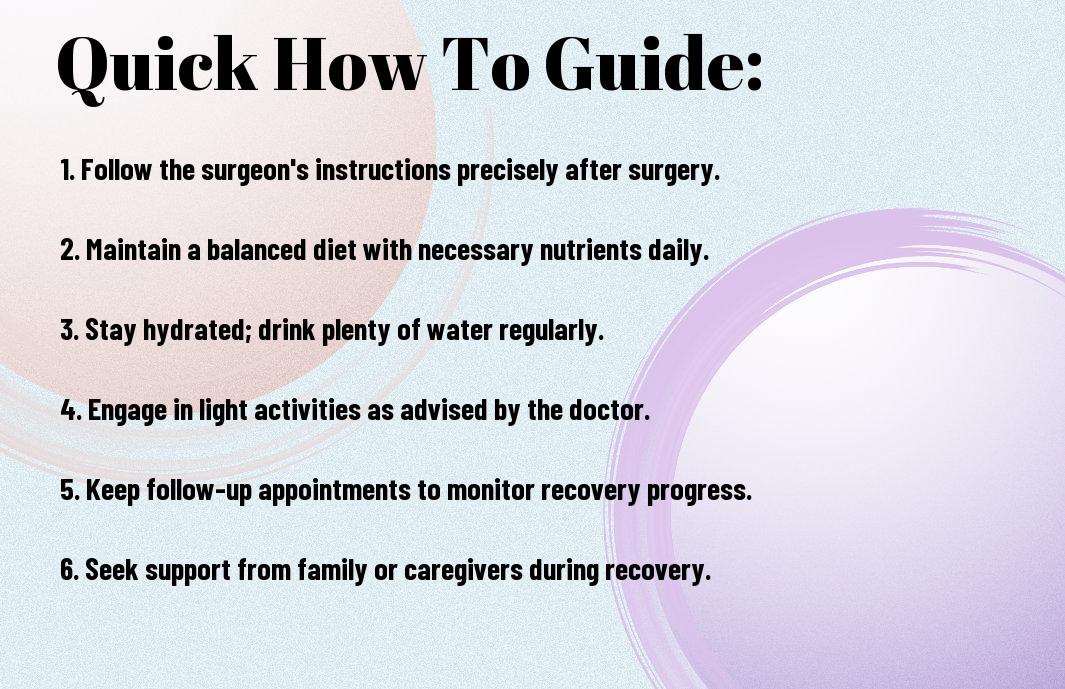
- Follow Medical Instructions: Adhering to the doctor’s post-surgery guidelines is vital for a seamless recovery.
- Nutrition and Hydration: A balanced diet and adequate fluid intake support healing and energy levels.
- Pain Management: Utilizing prescribed medications effectively can help maintain comfort during recovery.
- Gradual Mobility: Engaging in light exercises, as advised, will promote circulation and prevent stiffness.
- Emotional Support: Seeking companionship or counseling can positively influence mental well-being during recovery.
Preparing for Post-Surgery Recovery
Before your surgery, taking the necessary steps to prepare for your recovery will significantly impact your healing process. Ensure that you have everything ready, both at home and within your recovery environment, to foster a smooth recovery.
How to Set Up a Recovery Space
Preparing a dedicated recovery space involves creating a comfortable, quiet area where you can rest and heal. Choose a location with minimal distractions, and ensure that necessary items like your medications, water, and personal belongings are within reach. Adjust the lighting to keep it soft and soothing, which can help promote relaxation.
Essential Supplies to Have on Hand
For your recovery, having the right supplies readily available is vital for a smooth healing process. Stock up on medications, bandages, ice packs, and comfortable clothing to facilitate your care.
Understanding what supplies you need can help you avoid unnecessary trips to the store. Essential items might include:
- Prescription medications as advised by your doctor.
- Over-the-counter pain relievers, just in case.
- Hydration supplies, like water bottles or electrolyte solutions.
- Comfortable clothing that is easy to put on and take off.
- Kitchen necessarys for easy meal preparation.
- Assistive devices like a walker or cane if needed.
Perceiving the importance of having these supplies at your fingertips aids in a smoother recovery journey.
Tips for Communicating with Caregivers
Post-surgery, effective communication with your caregivers is necessary for your recovery. You should express your needs and concerns openly for the best possible support.
PostSurgery, consider these tips to ensure you and your caregivers are on the same page:
- Be clear about your pain levels, medications, and any symptoms.
- Ask questions whenever you feel uncertain.
- Keep a record of your medications and doses.
- Notify them about any changes in your condition promptly.
- Be honest about your abilities and any assistance you might require.
Perceiving your surroundings and openly communicating can lead to a smoother post-surgery experience.
It’s important to understand that a smooth recovery involves proactive thinking and preparation on your part. Fostering a supportive environment while taking care of your physical well-being ensures you maintain a positive and focused approach to healing. Pay attention to your needs, remain open to communication, and stay vigilant about your recovery.
Understanding the Recovery Timeline
Clearly, understanding the recovery timeline after surgery is vital for seniors. Each patient’s journey differs, influenced by various factors such as the type of procedure and your overall health. For more guidance, check out A Guide for Seniors Before and After Surgery.
What to Expect During the First Week
Some discomfort is normal during the first week post-surgery. You may experience fatigue, swelling, or mild pain as your body begins to heal. It’s important to follow your healthcare provider’s instructions for pain management and activity restrictions to avoid complications.
Recognizing Milestones in Recovery
Now that you know what to expect, it’s crucial to recognize milestones in your recovery journey. These milestones can indicate whether you are on the right track and help you set realistic goals.
This includes noticing improvements in your mobility, managing pain effectively, and regaining independence in daily tasks. Each small win contributes to your overall healing, making it easier to assess your progress and adjust your expectations.
Factors Influencing Recovery Duration
For a smoother recovery process, several factors influence your timeline, including:
- Type of surgery
- Your overall health
- Age
- Pre-existing conditions
Recognizing these factors will help you better understand your personal recovery journey.
Understanding how these elements interact is important. For example, those with underlying health issues may require longer recovery periods, while younger individuals may bounce back more quickly. Each patient’s experience is unique, and it’s important to listen to your body and consult your healthcare team for personalized advice.
Managing Pain and Discomfort
Many seniors experience varying degrees of pain and discomfort after surgery. It’s important to effectively manage these sensations to promote healing and ensure a smoother recovery. Proper pain management can help you regain your independence and improve your overall quality of life.
How to Handle Post-Operative Pain
To manage post-operative pain, you should follow your doctor’s instructions regarding medication use. This often includes taking prescribed painkillers at regular intervals. Keep a pain journal to track your symptoms, which can help you communicate better with healthcare providers. Consistent pain management can significantly enhance your recovery experience.
Tips for Applying Ice and Heat
Pain management can be effectively supplemented by using ice and heat therapy. Here’s how to do it:
- Apply ice packs for the first 48 hours to reduce swelling.
- Use heat pads afterward to relax muscles and alleviate pain.
- Always place a towel between ice/heat source and your skin to prevent burns or frostbite.
- Limit application to 20 minutes at a time to avoid skin damage.
After following these tips, you should find that ice and heat can soothe your pain effectively.
Pain is often aggravated by muscle tension and inflammation, so utilizing both ice and heat can help restore comfort. When using ice, apply it to the affected area gently, while heat should be used to encourage blood flow and relaxation. Be conscious of how your body responds to each method, ensuring you do not apply either treatment for too long, as this may result in negative effects. Always adhere to the guidelines to maximize benefits.
- Monitor your body’s reaction to both therapies closely.
- Adjust application time based on comfort level and feedback.
- Combine therapies, if necessary, for optimal results.
After consistently utilizing both therapies, you may notice a significant reduction in discomfort.
When to Consult a Doctor about Pain
Pain that does not subside with medication or worsens over time may indicate a complication. If you experience persistent pain despite following your post-operative care plan, consult your doctor immediately.
Handle your post-surgery pain responsibly by keeping an open line of communication with your healthcare team. It’s vital to report any unusual symptoms, including sudden increases in pain, swelling, or fever. Act promptly if severe pain lasts longer than expected; this can help in identifying potential issues early, ensuring your recovery remains on track.
Nutrition and Hydration Post-Surgery
Unlike younger individuals, seniors may face unique challenges during their recovery process, making proper nutrition and hydration even more crucial. Adequate intake of the right nutrients supports healing and helps to reduce the risk of complications.
How to Create a Nutrient-Rich Meal Plan
Create a balanced meal plan that focuses on incorporating a variety of protein-rich foods, fruits, vegetables, whole grains, and healthy fats. Aim for meals that provide crucial vitamins and minerals, as they play a key role in wound healing and overall recovery. This tailored meal plan should prioritize your specific dietary needs and preferences.
Hydration Tips for Faster Recovery
One important aspect of your recovery is staying well-hydrated. Drinking adequate water and incorporating hydrating foods can significantly aid in your recovery process. Consider the following tips:
- Drink at least 8–10 cups of water daily.
- Include soups and broths in your diet for added hydration.
- Consume fruits and vegetables with high water content, such as cucumbers and watermelon.
- Limit caffeinated or alcoholic beverages as they can dehydrate you.
Any variation in your hydration can impact your recovery, so it’s crucial to stay proactive.
The quality of your hydration also affects your overall health post-surgery. Ensure that you establish a regular hydration routine, and consider adding electrolyte-replenishing drinks if necessary. You can also look for creative ways to consume more liquids, such as making smoothies or infusing water with fruits. It’s all about maintaining a steady supply of the hydration your body needs.
Foods to Avoid During Recovery
Meal choices play an important role in your post-surgery recovery. Avoid foods high in sugar, processed ingredients, and trans fats, as these can impede healing and contribute to inflammation.
It’s vital to steer clear of fried foods, excessive sugar, and high-sodium items, as they can disrupt your recovery progress. Instead, focus on nourishing your body with wholesome, unprocessed foods that support healing. Incorporating a wide range of nutrients while eliminating harmful options will help create an optimal environment for recovery. Any dietary missteps can delay your healing process, so choose wisely.
Physical Activity and Rehabilitation
Once again, it’s vital to emphasize that engaging in the right kind of physical activity can significantly enhance your post-surgery recovery. It’s crucial to approach rehabilitation carefully, ensuring that you give your body the time it needs to heal while gradually reintroducing movement to improve mobility and strength.
How to Safely Reintroduce Movement
Clearly, the process of reintroducing movement should start slowly. Begin with gentle, low-impact activities like walking or light stretching. Always listen to your body and consult with your healthcare provider to ensure that you’re not overexerting yourself, which could lead to complications.
Suggested Exercises for Seniors
Any light exercises you can include in your routine will aid your recovery. Activities like seated leg lifts, simple arm raises, and toe taps can be effective. Consistency and gradual progression are key, so ensure you tailor your routine to your comfort and ability level.
To maximize the benefits of your exercise routine, consider incorporating low-impact activities that can be performed at your own pace. These could include water aerobics, yoga, or tai chi, all of which promote flexibility, balance, and strength without putting undue stress on your body. Always ensure you have the correct form, and don’t hesitate to seek assistance from a physical therapist if needed.
Factors Affecting Mobility and Strength Recovery
Movement plays a significant role in your recovery. Various factors can influence your ability to regain mobility and strength after surgery, such as your age, overall health, and pre-existing conditions. Being aware of these can help you set realistic recovery goals.
Factors such as your level of physical fitness, support system, and engagement with rehabilitation services significantly affect your recovery process. Perceiving these elements early on can allow you to address potential challenges before they hinder your progress.
Mental and Emotional Well-Being
Keep in mind that your mental and emotional health are just as important as your physical recovery after surgery. The process not only affects your body but also your mind. It’s vital to be proactive in nurturing your emotional well-being to ensure a smoother recovery.
How to Manage Stress and Anxiety
Even after surgery, feelings of stress and anxiety are common. To effectively manage these feelings, consider implementing deep breathing exercises, mindfulness meditation, or gentle yoga. These techniques can help you regain a sense of control and calmness, allowing for a more focused recovery.
Tips for Staying Positive During Recovery
On your path to recovery, staying positive is vital for your overall well-being. Here are some tips to help maintain a positive outlook:
- Set realistic goals to track your progress.
- Surround yourself with encouraging people.
- Engage in enjoyable activities to uplift your mood.
- Create a gratitude journal to focus on the positives.
Perceiving the good in your situation can transform your recovery experience.
To maintain optimism during recovery, consider integrating small self-care activities into your daily routine. Whether it’s reading a book, enjoying nature, or pursuing hobbies, these small joys can significantly boost your morale. Regularly celebrate your achievements, no matter how small, to foster a positive environment around your healing journey.
- Practice mindfulness daily.
- Set small achievable targets.
- Share your feelings with trusted friends.
- Try to laugh often to lighten the mood.
Perceiving these moments of joy as vital parts of your recovery can help reinforce a positive mindset.
Support Systems for Emotional Health
Manage your emotional health by establishing a strong support system. Having a network that includes family, friends, or support groups is vital for your emotional recovery. Don’t hesitate to reach out for help; social interactions can significantly enhance your mood and overall well-being.
Recovery is often smoother with a network of supportive individuals at your side. Engaging in conversations about your feelings and experiences can provide relief and foster understanding from those who care about you. Consider joining a support group focused on post-surgery recovery or related experiences. These connections are not just encouraging; they help combat feelings of isolation and enable you to share coping strategies. Healing is a journey best taken with the help of others who truly understand, so don’t underestimate this aspect of your recovery.
Follow-Up Care and Appointments
All steps in post-surgery recovery matter, but ensuring proper follow-up care and attending medical appointments are necessary for your healing process.
How to Keep Track of Medical Appointments
Track your medical appointments meticulously to avoid missing any. Use a calendar, or a dedicated app on your smartphone to record dates, times, and locations. Setting reminders on your device can also be useful in ensuring you arrive on time.
Importance of Medication Management
You need to prioritize medication management during your recovery. Understanding your prescriptions—dosages, timings, and the potential side effects—helps prevent complications and ensures effective healing.
Appointments with healthcare providers should include discussions about your medications. Make a list of all your current medicines, including any over-the-counter drugs and supplements, to clarify how they affect your recovery. Stay aware of potential interactions and how to adjust your regimen as needed.
Tips for Open Communication with Healthcare Providers
Some effective communication can significantly enhance your recovery. Maintain a list of questions and concerns for your healthcare provider. This helps guide your discussions and ensures you obtain the necessary information. Always feel free to express symptoms and any changes you observe.
- Be honest about your symptoms
- Ask for clarification on medications and instructions
- Share any concerns you may have
- Follow-up on lab results and their implications
Assume that open dialogue is key to your successful recovery and can lead to adjustments that improve your healing process.
FollowUp communication with your healthcare providers can significantly impact your recovery journey. Ensure that you are straightforward and encourage them to provide detailed responses. This interaction is necessary for making educated decisions about your health.
- Prepare questions before appointments
- Take notes during discussions to reference later
- Build a rapport to feel comfortable voicing concerns
- Schedule follow-up visits as instructed
Assume that your active participation in this process enhances the effectiveness of your post-surgery care.
Summing up
As a reminder, effective post-surgery recovery for seniors involves following key steps such as adhering to your doctor’s instructions, managing pain responsibly, maintaining a nutritious diet, staying hydrated, and engaging in gentle physical activity as prescribed. Prioritizing rest while listening to your body will also play a significant role in your healing process. Stay connected with your healthcare team for ongoing support and adjustments to your recovery plan. By taking these steps seriously, you can promote a smoother and more efficient recovery tailored to your needs.
Q: What are the key steps to ensure a smooth recovery after surgery for seniors?
A: After surgery, seniors should prioritize rest, maintain hydration, and gradually reintroduce physical activity as advised by their healthcare provider. It’s important to follow a balanced diet rich in nutrients that aid healing. Regularly scheduled follow-up appointments with healthcare providers are also important to monitor progress and address any complications.
Q: How important is medication management during post-surgery recovery?
A: Medication management is vital during recovery. Seniors should take prescribed medications as directed, being mindful of pain relief and potential side effects. It’s important to communicate with healthcare providers about any adverse reactions or interactions with other medications being taken. Keeping a medication schedule or using a pill organizer can help ensure compliance.
Q: What changes should be made at home to assist with recovery?
A: Home adjustments can significantly aid recovery. This may include removing tripping hazards, ensuring adequate lighting, and placing frequently used items within easy reach. Additionally, having supportive equipment such as grab bars in the bathroom and a comfortable reclining chair can provide added safety and comfort during the recovery period.
Q: How can family and caregivers support seniors during their recovery?
A: Family and caregivers play an important role in the recovery process. Support can come in various forms, such as providing transportation to follow-up appointments, preparing meals that align with dietary recommendations, assisting with personal hygiene, and encouraging gentle physical activity. Emotional support is equally important; being present and providing reassurance can enhance the recovery experience.
Q: When should a senior seek medical advice during their recovery?
A: Seniors should seek medical advice if they experience unexpected symptoms such as increased pain, swelling, redness at the surgical site, fever, or any signs of infection. Any concerns about medication side effects or difficulty managing daily activities should also prompt a conversation with a healthcare provider. Clear communication with medical staff is important to navigate any post-surgery challenges effectively.



Leave a Reply