
Seniors, navigating the journey of post-surgery recovery requires gentle strategies tailored to your unique needs. Your body has undergone significant changes, making it vital to focus on rest, nutrition, and emotional well-being during this time. By adhering to a few simple yet effective approaches, you can enhance your recovery, minimize potential complications, and ultimately pave the way for a smoother transition back to daily life. This guide provides you with vital tips that foster healing and resilience in your recovery process.
Key Takeaways:
- Personalized Care: Tailor recovery plans based on each senior’s individual health status and surgery type for optimal healing.
- Gradual Activity: Encourage light, gradual physical activity to enhance mobility and prevent complications post-surgery.
- Nutrition Focus: Emphasize a nutritious diet rich in proteins, vitamins, and minerals to support wound healing and overall health.
- Hydration Importance: Maintain adequate hydration levels to aid in recovery and prevent dehydration-related complications.
- Emotional Support: Provide emotional support and companionship to help alleviate anxiety and promote a positive recovery environment.
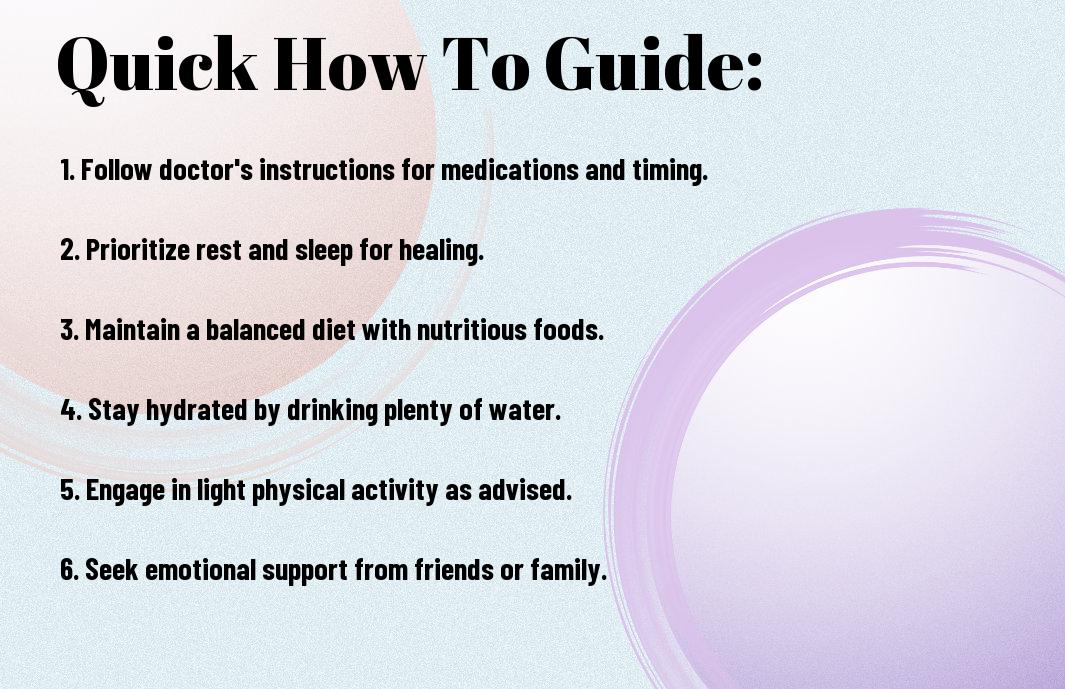
Understanding Post-Surgery Recovery
Your journey to recovery after surgery is a vital aspect of your overall health, particularly as a senior. This phase not only involves healing physically but also encompasses emotional and psychological well-being. Engaging in a thoughtful and gentle recovery plan can significantly impact your long-term health outcomes.
Importance of Recovery for Seniors
While many might overlook the significance of proper recovery, it is necessary for seniors to recognize that healing is a multi-faceted process. Effective recovery can lead to improved mobility, enhanced quality of life, and a reduced likelihood of complications.
Common Challenges Faced by Senior Patients
There’s no denying that navigating post-surgery recovery can be taxing for senior patients. Age-related factors such as slower healing processes, chronic conditions, and decreased resilience complicate your recovery journey. Additionally, the potential for postoperative complications may require diligent attention to signs of trouble.
Importance of addressing these challenges cannot be overstated, as they can severely affect your recovery trajectory. Some common issues include:
- Pain management
- Mobility limitations
- Increased risk of infection
- Medication side effects
Working closely with your healthcare team and following their guidance can help mitigate these challenges.
Psychological Factors Affecting Recovery
Clearly, the emotional landscape during recovery is just as vital as the physical aspects. Factors such as anxiety, depression, and feelings of isolation can affect your willingness to engage in recovery efforts. It is important to acknowledge these emotional barriers to ensure a well-rounded healing process.
These psychological hurdles can manifest in several ways, potentially derailing your recovery progress. Some of these factors include:
- Fear of pain
- Lack of motivation
- Social withdrawal
- Unrealistic expectations
Knowing how to effectively address these aspects will enable you to foster a more positive recovery environment.
Preparing for Surgery
Some steps taken before your surgery can significantly impact your recovery process. By focusing on your health and making necessary adjustments, you pave the way for a smoother post-surgery experience.
Pre-Surgery Health Assessment
One of the first steps you should undertake is a comprehensive pre-surgery health assessment. This may involve a review of your medical history, a physical examination, and various tests. By engaging with healthcare professionals, you help ensure that all potential risks are identified and addressed ahead of time, making your body better prepared for the surgery.
Setting Realistic Expectations
Assuming that you will recover quickly can lead to disappointment. It is imperative to establish realistic expectations regarding your recovery process based on the type of surgery and your overall health. Discussing expected outcomes with your medical team can guide you in understanding what is achievable.
Pre-surgery, it can be beneficial to educate yourself about the recovery timeline for your specific procedure. This knowledge will not only help you in setting achievable goals but will also assist in planning your post-surgery care. Having a clear picture of what to anticipate will alleviate stress and prepare you mentally for the journey ahead.
Preparing the Home Environment
Any home adjustments you can make that promote comfort and safety will aid in your recovery. Consider arranging your living space to minimize the risks of falls or strain on your body. This might include removing clutter and ensuring that imperative items are within easy reach.
Assessment of your home environment is vital in creating a safe atmosphere post-surgery. Ensure that pathways are clear, and imperative items such as medications, a phone, and water are easily accessible. This proactive approach will enable you to focus on healing, as your surroundings will support your recovery rather than impede it.
How to Manage Pain Effectively
Now that you are beginning your post-surgery journey, managing pain effectively is imperative for a smooth recovery. The right approach involves a combination of understanding available options, maintaining clear communication with your healthcare team, and utilizing various techniques to alleviate discomfort. By doing so, you’ll foster not only a more pleasant recovery but also an overall sense of well-being.
Understanding Pain Management Options
Clearly, it’s important to recognize that pain management experts have multiple options available tailored to your unique needs. These may include prescription medications, over-the-counter pain relievers, and alternative treatments. Exploring these options together with your healthcare provider can enhance your comfort and ensure effective pain relief throughout your recovery process.
Communicating with Healthcare Providers
For effective pain management, your relationship with healthcare providers is key. Make sure you express your pain levels honestly, including the nature and intensity, as this allows them to tailor a plan that fits your specific circumstances.
Understanding how to communicate with your healthcare team fosters an environment where you can openly discuss your pain experiences. Be proactive in asking questions about medications and potential side effects as well as sharing any concerns that arise during your recovery. This dialogue not only helps in adjusting pain management strategies but also empowers you to take an active role in your healing process.
Non-Pharmacological Pain Relief Techniques
Any strategy that avoids medications is worth considering, particularly for those who may be sensitive to pharmaceuticals. Non-pharmacological pain relief techniques include practices such as mindfulness, guided imagery, and gentle stretching exercises. These methods can effectively reduce stress and promote relaxation, enhancing your recovery experience.
Effectively using non-pharmacological pain relief techniques can significantly improve your comfort level post-surgery. Techniques like deep breathing exercises can create a calming environment, while gentle yoga or physical therapy may help maintain mobility. Additionally, exploring calming activities, such as listening to soothing music or engaging in art therapy, can support your emotional well-being as you navigate the recovery process. Always consult your healthcare provider before initiating new techniques to ensure they complement your recovery plan and prevent any negative effects.
Tips for Nutrition During Recovery
For a smooth recovery after surgery, it’s important to focus on proper nutrition. This can significantly impact your healing process. Below are some tips to help you prioritize your nutritional needs:
- Emphasize a balanced diet rich in vitamins and minerals.
- Incorporate protein to support muscle repair and recovery.
- Choose whole grains for energy and fiber.
- Include a variety of fruits and vegetables to ensure nutrient diversity.
- Stay hydrated to enhance metabolic processes.
Importance of a Balanced Diet
For effective recovery post-surgery, a balanced diet is vital. It provides your body with the necessary nutrients to rebuild tissues, support the immune system, and regain energy levels. Focusing on a range of foods ensures you are getting adequate vitamins and minerals, which are important for healing.
Foods to Promote Healing
Now, foods that are beneficial for your recovery include those high in protein, healthy fats, and antioxidants. These components play a significant role in healing wounds and providing energy to your body.
For instance, you can opt for lean meats like chicken or turkey, as well as fish rich in omega-3 fatty acids, such as salmon. Incorporating nuts, seeds, and legumes can also provide additional protein and fiber. Fruits like berries and oranges are packed with antioxidants that boost your immune system, while leafy greens supply vital nutrients. When combined, these foods create a powerful healing toolbox, supporting your body during recovery.
Hydration and Its Role in Recovery
Tips for recovery include maintaining adequate hydration. This is important as fluids aid in transporting nutrients throughout your body and flushing out toxins.
Diet plays an important role in staying hydrated. Drinking ample water, herbal teas, or broth can help replenish fluids. Additionally, incorporating hydrating foods like cucumbers, watermelon, and oranges can further enhance your fluid intake. Hydration not only supports your recovery but also prevents complications such as constipation, which can sometimes arise after surgery.
Perceiving nutrition as a key factor in your healing journey will empower you to take control of your recovery. The choices you make can pave your way to a healthier, more robust post-surgery experience.
Factors Influencing Mobility and Exercise
Once again, it is vital to recognize the various factors influencing your mobility and exercise during post-surgery recovery. Consider the following aspects:
- Age: Older adults may have reduced physical capabilities.
- Type of Surgery: Different surgeries impact recovery time and mobility.
- Pre-existing Conditions: Disabilities or chronic pain can affect physical activity.
- Medications: Some medications can impair balance and coordination.
- Support System: A strong support network can motivate or assist in recovery.
After understanding these factors, you can create a tailored approach to enhance your recovery experience.
Gentle Exercises for Seniors
An effective way to improve your recovery is through gentle exercises specifically designed for seniors. These low-impact movements can help boost circulation, strengthen muscles, and enhance flexibility. Tailoring your exercises to your current limitations ensures safety and promotes gradual progress.
Importance of Physical Therapy
Seniors often benefit significantly from physical therapy after surgery. Engaging in a structured therapy program aids in restoring mobility, increasing strength, and alleviating pain while providing guidance to help you safely achieve your goals.
To maximize your recovery, physical therapy allows you to receive personalized exercises tailored to your individual condition. A licensed therapist will evaluate your needs and develop a targeted regimen that promotes safe movement and ensures you are progressing at a comfortable pace. Collaboration with a physical therapist can also assist in addressing specific challenges that arise during your recovery journey.
Safety Precautions While Exercising
Factors such as your physical limitations, environment, and overall health play a significant role in ensuring safety while exercising. Always prioritize your well-being by considering the following aspects:
- Consult your doctor before starting any new exercise routine.
- Choose a safe location with adequate lighting and space.
- Use supportive footwear to prevent slips or falls.
- Stay hydrated and rest as needed during workouts.
- Monitor for any signs of pain or discomfort during exercises.
While it can be tempting to push your limits, make sure to listen to your body’s signals and adapt your activities to match your current abilities. This approach will not only reduce the risk of injury but also enhance your overall recovery experience.
How to Keep a Positive Mindset
Keep your spirits lifted during your recovery process by engaging in uplifting activities and maintaining a positive outlook. One resource you might find helpful is The Complete Guide to Post Surgery Home Care, which offers a variety of strategies to support your emotional and physical health as you heal.
Coping Strategies for Emotional Well-being
The journey to recovery can be challenging, but employing effective coping strategies can enhance your emotional resilience. Techniques such as mindfulness, deep breathing exercises, and journaling can help you process your thoughts and feelings, allowing you to focus on the positive aspects of your healing journey.
Resources for Mental Health Support
Strategies for support can come from various outlets, including therapy and community programs. Engaging with professionals such as psychologists or counselors can provide a safe space to express your feelings and develop coping mechanisms that work best for you.
Wellbeing usually comes with access to the right resources. Consider looking into local mental health services that offer workshops or group sessions tailored to seniors. Connecting with others in similar circumstances can provide a sense of belonging and understanding, which is invaluable during the recovery process.
The Role of Social Support in Recovery
Keep in mind that your recovery will benefit significantly from the support of your loved ones. Regular interactions with family and friends can provide emotional nourishment and uplift your spirits, motivating you to stay positive and engaged in your recovery.
For instance, you might find that having a family member accompany you during doctor visits or encouraging friends to join you in light activities can drastically improve your mood. Strong social connections foster a sense of belonging and allow you to share your experiences, which contributes positively to your overall mental health during this recovery phase.
Creating a Comprehensive Recovery Plan
Many seniors recover from surgery successfully with a well-defined recovery plan. This comprehensive approach ensures that you address all aspects of healing, from physical rehabilitation to emotional support, facilitating a smoother transition back to your daily life.
Setting Goals for Recovery
To set clear and achievable goals for your recovery, consider what you want to accomplish each week. Focus on realistic targets, such as improving mobility, regaining strength, or managing discomfort. Establishing these milestones will help keep your motivation high and provide a sense of accomplishment as you progress.
Involving Family and Caregivers
One way to enhance your recovery is by involving family members and caregivers in your plan. Their support can provide both physical assistance and emotional encouragement, ensuring that you stay on track with your goals.
Setting a strong support network of family and caregivers will help you feel less isolated during your recovery. They can assist you with daily tasks, monitor your progress, and motivate you to stay engaged in your rehabilitation exercises. Clear communication about your needs and preferences will create a collaborative environment that benefits your healing process.
Regular Follow-Up and Assessments
Caregivers should schedule regular follow-ups with your healthcare provider to evaluate your recovery progress. These assessments allow for necessary adjustments to your recovery plan, ensuring you’re on the right path towards healing.
Plan for these evaluations to address any potential complications early on. Keeping a detailed record of your symptoms and improvements can aid your healthcare team in making informed decisions about your care. Regular check-ins foster accountability and ensure that your recovery remains aligned with your goals.
Final Words
On the whole, embracing gentle how-to approaches in your post-surgery recovery can significantly enhance your healing journey. Focus on listening to your body and respecting its limits, as proper rest and nutrition are vital for your rehabilitation. Engage in gentle exercises and follow your healthcare provider’s advice to ensure steady progress. Surrounding yourself with supportive friends and family can also create a nurturing environment, which is important for both your physical and emotional well-being. With mindful care and patience, you can achieve a successful recovery and regain your independence.
Q: What are some effective ways to manage pain after surgery for seniors?
A: Managing pain effectively is important for recovery. Seniors can use a combination of prescribed medications, over-the-counter pain relievers, and non-pharmacological methods such as heat or cold therapy. Gentle stretching or calming exercises can also help alleviate discomfort. Consulting a healthcare professional about the best management plan tailored to individual needs is beneficial.
Q: How important is nutrition in the recovery process for seniors post-surgery?
A: Nutrition plays a significant role in recovery, as it helps to heal tissues and restore energy levels. Seniors should focus on a well-balanced diet rich in proteins, vitamins, and minerals. Foods such as lean meats, fish, dairy products, fruits, and vegetables can support healing. Hydration is also vital, so seniors should ensure they drink plenty of fluids throughout the day.
Q: What type of physical activities are suitable for seniors recovering from surgery?
A: Gentle physical activities, such as walking, stretching, or light yoga, can be beneficial in the recovery process. These activities promote circulation, improve mobility, and enhance mood without causing excessive strain. It is vital for seniors to start slowly and progress as they feel more comfortable, ideally under the guidance of a healthcare professional or physical therapist.
Q: How can family members support the recovery of a senior after surgery?
A: Family members can play a vital role in a senior’s recovery by providing emotional support, assisting with daily tasks, and helping to manage medications. Encouraging regular communication, offering companionship, and creating a safe and organized environment can also greatly enhance the recovery process. Being patient and understanding is key, as seniors may need additional time to heal.
Q: What are some signs that a senior may need to seek medical attention during recovery?
A: It’s important for seniors to be aware of specific signs that may indicate the need for medical attention. These include persistent or worsening pain, unusual swelling or redness at the surgery site, fever, nausea, or changes in mental status. If any concerning symptoms arise, seniors or their caregivers should not hesitate to contact a healthcare professional for advice or intervention.



Leave a Reply