
You can significantly enhance your healing process after surgery by adopting proactive strategies tailored to your unique needs as a senior. Understanding the importance of balanced nutrition, consistent physical activity, and mental well-being is vital for a smooth recovery. This guide will provide you with effective methods to optimize your post-surgery experience, ensuring that you regain your strength and independence while minimizing the risk of complications. Let’s explore the top strategies to support your journey towards a complete recovery.
Key Takeaways:
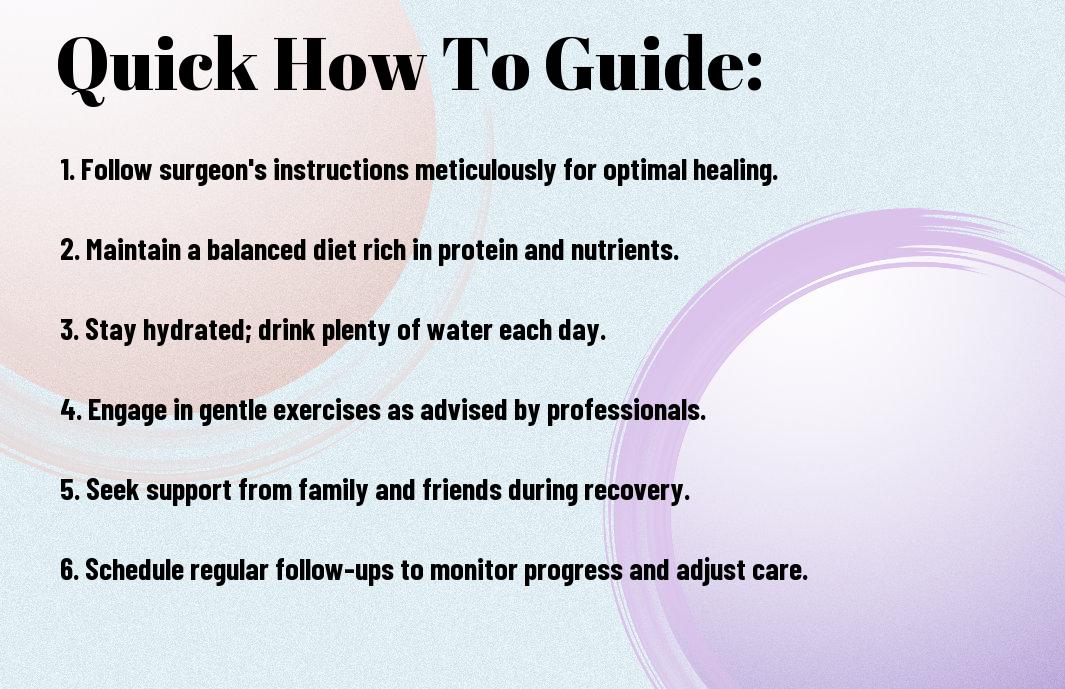
- Nutrition: Prioritize a balanced diet rich in proteins, vitamins, and minerals to support healing and recovery.
- Hydration: Encourage consistent fluid intake to prevent dehydration, which can hinder the recovery process.
- Physical Activity: Engage in gentle, guided exercises as recommended by healthcare providers to improve mobility and strength while avoiding complications.
- Follow-Up Care: Schedule and attend all follow-up appointments to monitor recovery progress and address any concerns promptly.
- Support System: Establish a reliable network of family or caregivers to assist with daily activities and provide emotional support during recovery.
Understanding the Importance of Post-Surgery Recovery in Seniors
After surgery, the path to recovery can be particularly challenging for older adults. You may find that a variety of factors influence your recovery process, which is imperative to understand in order to navigate this journey successfully.
Factors Affecting Recovery in Older Adults
- Age: Older adults often face a longer recovery period.
- Pre-existing conditions: Conditions like diabetes or heart disease can complicate recovery.
- Nutritional status: Adequate nutrition plays a vital role in healing.
- Physical activity: Moderate exercise can enhance recovery.
- Emotional health: Mental well-being affects physical recovery.
Knowing the factors that affect your recovery can help you adopt a proactive approach.
Common Types of Surgeries Among Seniors
- Hip replacement: Common for arthritis-related issues.
- Cataract surgery: Often performed to restore vision.
- Heart surgeries: Such as bypass or valve replacement.
- Joint replacement: For knees, shoulders, and elbows.
- Gallbladder removal: Addressing gallstones and related pain.
Any of these surgeries requires tailored post-operative care and understanding for effective recovery.
| Type of Surgery | Importance of Recovery |
| Hip Replacement | Focus on mobility and balance. |
| Cataract Surgery | Visual recovery needs careful management. |
| Heart Surgeries | Monitor for cardiovascular stability. |
| Joint Replacement | Rehabilitation is key for function. |
| Gallbladder Removal | Dietary adjustments promote healing. |
Plus, understanding these surgical procedures and their implications for your recovery is imperative for regaining your independence. Each surgery has its unique set of post-operative requirements.
- Communication: Keep open lines with your healthcare team.
- Follow-up care: Regular check-ups are imperative.
- Therapeutic exercises: Follow exercise plans specific to your surgery.
- Medication management: Adhere to prescribed regimens.
- Healthy lifestyle: Good diet and hydration support healing.
Any proactive approach to your post-surgery recovery can lead to better outcomes and a shorter recovery time.
Preparing for Surgery: Preoperative Tips
Assuming that you are gearing up for surgery, there are several proactive steps you can take to help ensure a smoother recovery process. Here are some important preoperative tips:
- Communicate openly with your healthcare team.
- Understand the procedure and what to expect.
- Plan for postoperative care in advance.
- Manage your medications as advised by your doctor.
- Prepare your living space for safe recovery.
Assume that by following these tips, you will enhance your readiness for the surgery and subsequent recovery.
How to Discuss Concerns with Your Doctor
On your journey toward surgery, it’s vital to address any needs or fears with your doctor. Be open about your health history and any specific worries you might have about the operation. This dialogue not only garners clarity but can also help tailor the surgical experience to suit your requirements, minimizing anxiety.
Tips for Setting Realistic Recovery Goals
Goals for recovery should be achievable and celebrate your progress. Consider the following tips:
- Evaluate your current health status.
- Consult your doctor about what to expect post-surgery.
- Break down your recovery into small, manageable milestones.
- Be patient with your progress.
After putting these tips into practice, you will likely find that setting attainable recovery goals is feasible and encouraging.
The key to successful recovery goal-setting lies in your ability to adapt and stay positive. Concentrate on your unique situation and set goals that allow you to incrementally progress, such as standing independently, taking short walks, or managing personal care tasks. Each small victory contributes to your overall recovery, enhancing both confidence and resilience.
- Stay positive about your progress.
- Track your achievements daily.
- Involve family and friends in your goal-setting.
After gauging your daily progress, remain flexible with your expectations and adjust them as necessary for a realistic recovery experience.
Organizing a Support System for Post-Surgery
PostSurgery, having a reliable support system in place is vital for your recovery journey. This network can consist of family, friends, or hired caregivers who can assist you in your daily needs.
To create an effective support system, engage those who can help with meals, transportation, and companionship. Whether it’s arranging for a family member to stay with you or hiring professional assistance, ensure that the individuals in your support network understand their roles well. This organized approach allows you to focus on healing without unnecessary stress.
Essential Post-Surgery Care at Home
Not all recovery environments are created equal. Crafting a space that fosters healing is vital for your comfort and well-being during recovery.
How to Create a Safe and Comfortable Recovery Environment
The first step in creating a healing atmosphere is to declutter and organize your surroundings. Ensure that necessary items like medications, water, and emergency contacts are readily accessible. Adequate lighting is crucial, as well as using supportive cushions and maintaining a comfortable room temperature to promote relaxation.
Tips for Managing Pain and Discomfort
Assuming you experience pain, it’s important to proactively address it. Start by consulting with your healthcare provider to determine the best pain relief strategies, which may include medication or alternative therapies. Implementing the following practices can support your pain management:
- Follow prescribed medication schedules
- Utilize heat or cold therapy
- Practice deep breathing exercises
Assume that you will feel more comfortable by making these methods part of your daily routine.
To further support your healing, consider integrating gentle stretches or light physical activity as approved by your doctor. These actions can help to minimize discomfort and improve circulation. Alongside, focus on rest and maintain a consistent sleep schedule to help the body recover more efficiently:
- Engage in guided imagery or meditation
- Utilize pillows for support
- Stay hydrated to prevent discomfort
Assume that with these measures, you will enhance your recovery experience.
Importance of Nutrition During Recovery
Safe nutrition plays a vital role in your recovery process, as it helps in tissue healing and overall recovery strength.
Tips for focusing on your nutrition include incorporating a variety of nutritious foods into your meals that are rich in protein, vitamins, and minerals. Pay attention to hydration, and try to limit processed foods that can impede recovery. Prioritize meals that include fruits, vegetables, and lean proteins to build your strength back. Additionally, supplementary options can support your recovery but consult your doctor before trying new products.
Rehabilitation and Physical Therapy
Unlike younger adults, seniors may face unique challenges during their recovery process. Engaging in a proper rehabilitation program is necessary to restore mobility and strength post-surgery. Prioritizing physical therapy can significantly enhance your overall healing experience and ensure a full return to daily activities.
How to Choose the Right Rehabilitation Program
Any rehabilitation program should be tailored to your specific needs, considering your medical history and type of surgery. Look for programs that offer personalized assessments, specialized therapies, and trained professionals experienced with seniors. A good fit involves open communication between you and your therapists, allowing for adjustments as you progress.
Tips for Staying Motivated During Physical Therapy
Even though physical therapy can be challenging, staying motivated is necessary for your recovery. Here are some tips for staying encouraged:
- Set realistic goals to track your progress.
- Celebrate small victories along the way.
- Engage a support system to keep you accountable.
- Incorporate fun activities into your routine.
The key is to maintain a positive mindset throughout your rehabilitation process.
In addition to setting goals and celebrating achievements, consider the following activities to enhance your motivation:
- Join a local exercise group for social interaction.
- Arm yourself with educational resources about your recovery.
- Participate in relaxation techniques such as meditation.
The support you receive and the activities you choose will empower your journey to recovery.
Understanding the Role of Occupational Therapy
Staying informed about occupational therapy can enhance your recovery by helping you regain skills needed for daily life. This specialized therapy focuses on practical skills you need to perform everyday tasks, enhancing your independence and confidence. By working with an occupational therapist, you’ll learn techniques tailored to your specific situation.
This therapy may involve exercises that improve fine motor skills, strategies to manage daily activities, and modifications to your home environment for safety. It’s important to understand that the right occupational therapy can significantly improve your quality of life post-surgery, ensuring that you can safely enjoy your daily activities. Stay committed to your recovery as every step counts towards your overall well-being.
Psychological Aspects of Recovery
All aspects of recovery encompass not only the physical but also the psychological dimensions, particularly for seniors. It’s important to address the mental well-being during this period to foster a holistic recovery experience.
How to Manage Anxiety and Stress Post-Surgery
Some common feelings post-surgery include anxiety and stress, which can significantly impact your recovery. Engage in deep-breathing exercises or mindfulness techniques to create a sense of calm. Create a post-operative plan that includes engaging in light activities or hobbies you enjoy.
Tips for Maintaining a Positive Outlook
To keep a positive outlook during recovery, focus on cultivating a healthy mindset through several strategies:
- Set realistic goals to celebrate small victories.
- Practice gratitude by acknowledging the support you receive.
- Utilize positive affirmations to motivate yourself daily.
- Stay connected with friends and family for regular support.
Any negative thoughts can be countered with a focus on the aspects of recovery you can control.
Post-surgery, maintaining a positive outlook is about actively engaging with your emotions and surroundings. Keep a journal to document your feelings and progress throughout your recovery. Acknowledging your emotions allows you to process them more effectively, providing a path to improved well-being. Surround yourself with positive influences and engage in activities that bring joy and motivation. Consider reaching out to a therapist if additional support is needed. Any negative feelings can be mitigated by focusing on the positives.
Importance of Social Engagement in Recovery
With social connections often diminishing with age, fostering relationships is vital during recovery. Engaging with others can significantly improve your emotional health and provide the support you need.
Post-surgery recovery is markedly enhanced through social interaction. It combats feelings of isolation and enhances your mental health by promoting a sense of belonging. Engage in community groups, make phone calls, or have regular visits from family and friends. Involving yourself socially may also increase motivation to participate in your recovery process, enhancing overall outcomes. Any effort to maintain social connections will have a positive impact on your mental and emotional well-being.
Monitoring Progress and Recognizing Complications
Despite the intention to burn brightly through the post-surgery recovery phase, complications can arise unexpectedly. Monitoring your recovery closely is necessary for maintaining your health and well-being as you navigate this period. Understanding how to track your progress and identify potential issues will empower you to take the right steps toward a full recovery.
How to Keep Track of Recovery Milestones
One effective way to track your recovery milestones is by keeping a detailed journal. Document your daily activities, pain levels, medication schedules, and any changes in your symptoms. This gives you a clearer picture of your recovery and helps share helpful information during follow-up visits.
Tips for Identifying Signs of Complications
Assuming you are well on your way to recovery, being vigilant about your body’s signals is still necessary. Here are some important signs to monitor in your healing process:
- Signs of infection, such as redness or swelling around incisions
- Fever above 100.4°F or chills
- Increased pain that is unresponsive to medication
- Unexpected drainage from surgical sites
After you identify any concerning signs, take them seriously and reach out for help.
Recovery can sometimes have its ups and downs, and knowing what to look for can make a difference. Observe your body and note any unusual changes. Complications may include:
- Extended periods of no progress in healing
- Increased fatigue or weakness
- Unexplained weight loss
- Persistent nausea or vomiting
After recognizing these signs, promptly consult your healthcare provider.
When to Contact Your Healthcare Provider
Contact your healthcare provider if you experience any alarming symptoms that could signal complications. It’s better to err on the side of caution, so reach out if you have concerns regarding your recovery.
It’s necessary to have open communication with your healthcare provider. If you experience any concerning symptoms, such as severe or worsening pain, difficulty in breathing, or signs of a serious infection, seek assistance immediately. Timely intervention is key to avoiding serious complications that could impede your recovery. Prioritize your health by remaining alert and proactive in seeking help when necessary.
Long-term Health Maintenance Post-Recovery
Once again, understanding the importance of maintaining your health following surgery is key to a successful recovery. Implementing effective long-term strategies can significantly enhance your quality of life. You might consider exploring postoperative physical rehabilitation in the elderly patient after … to gain insights into tailored rehabilitation programs for seniors.
How to Establish a Follow-up Care Routine
You should prioritize creating a structured follow-up care routine with your healthcare provider. Schedule regular appointments to track your healing progress and address any concerns that may arise. This approach ensures continuity of care and confidence in your recovery journey.
Tips for Incorporating Healthy Lifestyle Changes
Incorporating healthy lifestyle changes into your daily routine can significantly impact your recovery and overall health.
- Consume a balanced diet rich in nutrients to support your body’s healing process.
- Engage in regular physical activity to improve mobility and strength.
- Stay mentally active through social engagements or hobbies that stimulate your brain.
The goal is to create holistic habits that promote well-being and vitality.
Building upon those strategies requires consistent effort and adjustment as you better understand your body’s needs. You may consider setting personal goals, such as aiming for a certain number of steps each day or trying out new healthy recipes. Establishing a routine can help you stay committed to positive lifestyle changes.
- Set specific health goals that are realistic and achievable.
- Track your progress to stay motivated and accountable.
- Engage in community programs or groups that support healthy living.
The journey toward a healthier lifestyle doesn’t have to be a solitary path.
Importance of Ongoing Medical Check-ups
On a practical level, ongoing medical check-ups are vital for your long-term health maintenance. Regular evaluations help detect any underlying issues early, allowing timely intervention.
Follow-up visits to your healthcare provider can be beneficial as they tailor your care based on your specific needs post-surgery. Monitoring vital signs, managing medications, and reviewing your rehabilitation progress can prevent complications that could affect your life quality negatively. Emphasizing open communication with your medical team can address any areas of concern and bring reassurance. You will find that maintaining consistent care is a proactive step towards a healthier future.
To wrap up
Now that you’ve explored proactive methods for total post-surgery recovery in seniors, you can apply these strategies to enhance your healing journey. Staying engaged with your healthcare team, adhering to prescribed rehabilitation exercises, maintaining a balanced diet, and fostering a supportive environment will significantly contribute to your recovery. Make sure to listen to your body, prioritize rest, and embrace patience throughout the process. By taking these steps, you’re setting yourself up for a smoother and more effective recovery experience.
Q: What are some effective ways to manage pain after surgery in seniors?
A: Managing pain is vital for seniors recovering from surgery. Some effective methods include taking prescribed pain medications as directed, using ice packs to reduce swelling, and employing relaxation techniques such as deep breathing and meditation. Gentle movement and physical therapy also play an crucial role in pain management while promoting overall recovery.
Q: How can seniors ensure proper nutrition during their recovery period?
A: Proper nutrition is crucial for healing after surgery. Seniors should focus on a diet rich in fruits, vegetables, lean proteins, and whole grains. Staying hydrated is equally important, so drinking plenty of water and incorporating fluids like broths can help. Consulting with a nutritionist or dietitian can provide personalized guidance tailored to individual dietary needs and preferences.
Q: What role does physical activity play in post-surgery recovery for seniors?
A: Engaging in appropriate physical activity is vital for seniors post-surgery. While rest is important initially, gentle exercises like walking or approved stretching can encourage circulation, reduce stiffness, and aid in faster recovery. However, it is crucial to get approval from a healthcare provider before starting any exercise regimen to ensure safety and effectiveness.
Q: How can family members assist seniors during their recovery at home?
A: Family members play an influential role in the recovery process. They can assist by helping with daily activities such as preparing meals, managing medications, and accompanying seniors to follow-up appointments. Providing emotional support and encouragement can also boost a senior’s morale and motivation during this phase of recovery.
Q: What are some signs that a senior might need additional medical support during recovery?
A: It’s important to watch for signs that may indicate a need for further medical assistance. Symptoms such as persistent pain that is not alleviated by medication, signs of infection at the surgical site (such as increased redness, swelling, or pus), sudden changes in behavior or mental status, or difficulty performing tasks that were manageable before surgery warrant a prompt consultation with a healthcare provider.



Leave a Reply