
Just after surgery, you may find yourself navigating a challenging recovery process, especially if you are a senior. Prioritizing your comfort and well-being during this time is necessary. In this blog post, we’ll cover effective strategies that will help you manage pain, maintain mobility, and ensure proper nutrition. By implementing these simple techniques, you can enhance your recovery experience, making it smoother and more manageable. Let’s explore the immediate steps you can take for a successful healing journey.
Key Takeaways:
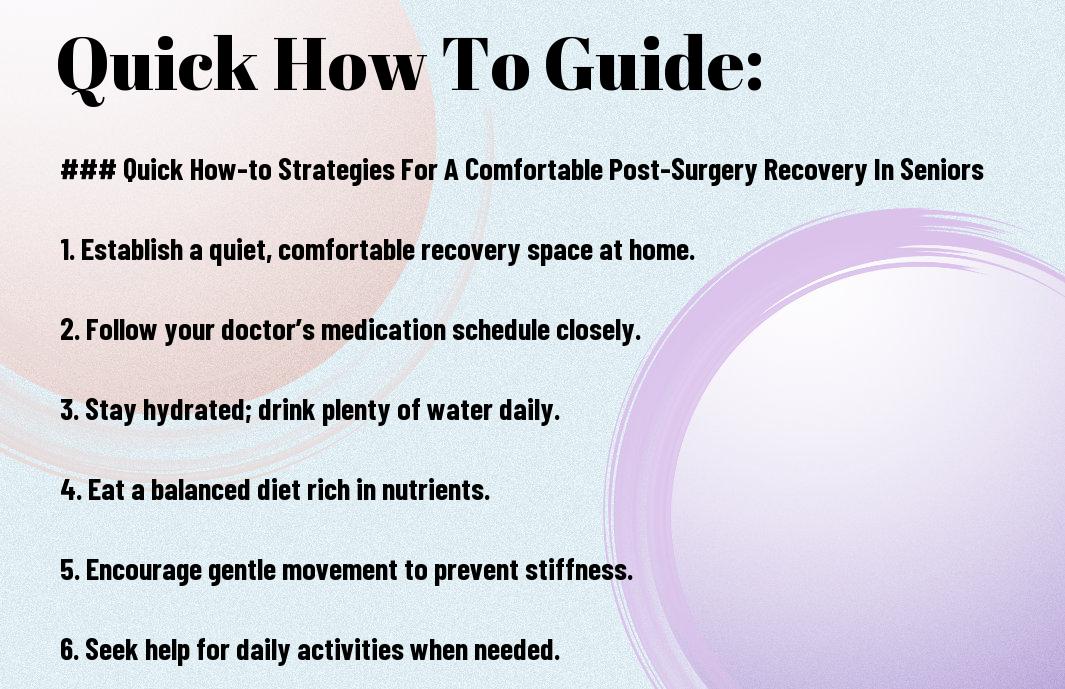
- Plan Ahead: Prepare a recovery space with necessary supplies like medications, water, and personal items to minimize movement during healing.
- Follow Medical Guidance: Adhere strictly to the doctor’s post-operative instructions, including medication schedules and activity restrictions.
- Stay Hydrated: Ensure adequate fluid intake post-surgery to support healing and overall health, which can help prevent complications.
- Get Assistance: Enlist family or friends to help with daily tasks, providing emotional support and promoting a stress-free environment.
- Engage in Gentle Activity: Gradually introduce light physical activity, as advised by healthcare professionals, to enhance recovery without overexertion.
Preparing for Post-Surgery Recovery
While preparing for a smooth post-surgery recovery is imperative, it starts long before you enter the operating room. Taking proactive steps can significantly impact your comfort and healing process.
Discussing Surgery with Healthcare Providers
One of the first steps in preparing for your recovery is to engage in an open dialogue with your healthcare providers. They can provide you with vital information regarding the procedure, anticipated recovery time, and any potential complications to watch for, allowing you to be better prepared.
Establishing a Recovery Environment
An imperative aspect of your post-surgery recovery is creating a supportive and comfortable environment. You should clear any clutter in your home and set up a designated recovery area that includes easy access to daily imperatives, ensuring you can move around safely.
Plus, consider incorporating comfortable seating and a bedside table stocked with imperatives like medication, water, and entertainment. This space should prioritize safety, so make sure to remove any obstacles that could pose a tripping hazard, and ensure good lighting to prevent falls.
Identifying Necessary Supplies
With the right supplies on hand, you can make your recovery much smoother. Take the time to gather items such as prescription medications, bandages, ice packs, and any assistive devices your doctor recommends, like a walker or raised toilet seat.
Recovery can be more efficient when you have all necessary supplies at your fingertips. Stock your recovery area with items that promote comfort, such as soft pillows, a blanket, and easy snacks. Planning ahead will help reduce the need for assistance and enable you to focus on healing.
Managing Pain Effectively
Any post-surgery recovery involves addressing pain effectively. Understanding the pain management options available to you is crucial for a smoother recovery. You should discuss your specific situation with your healthcare professional to decide on the best strategy tailored to your needs. This may include medications, therapies, or a combination, ensuring you have the right approach to minimize discomfort.
Understanding Pain Management Options
Little adjustments in your pain management plan can significantly impact your comfort. Familiarize yourself with both common and innovative treatments, from over-the-counter options to prescription medications. Engaging in a proactive dialogue with your healthcare team ensures you can navigate these options confidently.
Utilizing Medication Wisely
Even with various medications available, utilizing them wisely is key. You should follow dosage instructions carefully and be aware of potential side effects. It’s crucial to communicate openly with your doctor about any concerns or adjustments required during your recovery process.
Effectively managing your medication means not only taking it as prescribed but also understanding how your body reacts to it. This includes keeping track of your pain levels and any side effects you may experience. Your doctor should adjust your medication plan according to your feedback to ensure you feel the utmost comfort without unnecessary complications.
Exploring Alternative Pain Relief Techniques
Pain relief does not have to rely solely on medications. Exploring alternative techniques, such as physical therapy, acupuncture, or relaxation methods like deep breathing, can enhance your recovery experience. These options may provide you with additional avenues to manage discomfort effectively.
With a wide range of alternative pain relief techniques available, you can discover what works best for you. Techniques such as yoga or meditation can improve your overall well-being and help ease your pain. Additionally, combining these methods with prescribed treatments may enhance your pain management strategy, offering a more holistic recovery experience. Always consult your healthcare provider before trying new approaches to ensure they align safely with your recovery plan.
Ensuring Proper Nutrition
Once again, the path to a smooth recovery after surgery lies in the attention you pay to your nutrition. Proper nourishment can significantly impact your healing process, energy levels, and overall well-being. By focusing on a balanced diet rich in imperative nutrients, you can support your body as it undergoes recovery and foster the strength needed to regain your pre-surgery vitality.
The Importance of a Balanced Diet
To ensure a successful recovery, incorporating a balanced diet is key. A mix of proteins, carbohydrates, fats, vitamins, and minerals will support tissue repair and help prevent complications. Each nutrient plays a significant role in healing, so giving your body the right fuel is vital.
Recommended Foods for Healing
To promote recovery, add foods rich in protein, vitamins, and minerals to your meals. Fresh fruits and vegetables, lean meats, whole grains, and dairy products are excellent choices. Foods such as fatty fish, legumes, nuts, and seeds can also provide additional health benefits.
With a focus on healing foods, prioritize items like spinach for iron, avocados for healthy fats, and berries for antioxidants. Additionally, incorporating lean proteins like chicken or tofu helps build and repair tissues. Don’t shy away from adding whole grains, as they serve not only as energy sources but also contribute fiber, which aids digestion—imperative during recovery.
Staying Hydrated Post-Surgery
For optimal recovery, staying hydrated after surgery is imperative. Adequate water intake supports cellular function and digestion, enhancing the healing process. Aim for a daily intake of fluids to help flush out toxins and reduce potential complications.
Diet plays an important role in maintaining hydration levels. Include water as your primary fluid choice, but don’t hesitate to incorporate herbal teas, clear broths, and fresh fruits with high water content. These options not only hydrate but also provide additional nutrients to support your recovery journey.
Physical Activity and Mobility
Keep in mind that post-surgery recovery is a gradual process, and incorporating appropriate physical activity is vital for a smooth healing journey. Engaging in light, gentle exercises will help you regain strength and improve your mobility, ultimately enhancing your overall recovery experience.
The Role of Gentle Exercises
Gentle exercises, such as walking and stretching, play a vital role in your recovery. They can enhance circulation, reduce stiffness, and promote emotional well-being. Start slowly and listen to your body—these activities should never cause pain but rather help you feel progressively stronger.
Techniques for Safe Movement
Some techniques for safe movement include using assistive devices, taking small steps, and maintaining a steady pace. Additionally, focus on proper posture and body mechanics to avoid unnecessary strain. Implementing these strategies will minimize the risk of falls and injuries during your recovery.
The use of assistive devices—like walkers or canes—can provide the stability needed during mobility after surgery. It’s important to keep your environment clear of obstacles to facilitate safer movement. When transitioning from sitting to standing, use sturdy furniture for support and change positions slowly to allow your body to adjust, reducing the risk of dizziness.
When to Seek Physical Therapy
If you experience persistent pain, limited movement, or any setbacks during your initial recovery, it may be time to consult a physical therapist. They can provide personalized exercises and therapies to address your specific needs and ensure a safer, more effective recovery.
It is vital to acknowledge that seeking professional help is a positive step in your healing process. A physical therapist can assist you in setting achievable goals and monitor your progress, enhancing your path to full recovery. Don’t hesitate to reach out for support when you feel uncertain about your mobility or physical limitations.
Monitoring Recovery Indicators
After surgery, it’s important to keep a close eye on your recovery indicators to ensure a smooth and comfortable healing process. Being aware of potential complications and recognizing symptoms can help you and your healthcare provider make timely interventions if needed.
Recognizing Signs of Complications
You should be vigilant for any signs of complications such as excessive swelling, redness, or discharge from the surgical site. Other indicators include severe pain, fever above 100.4°F, or any sudden changes in your overall condition. Quick action can prevent further issues.
Keeping Track of Symptoms
Now is the time to consistently monitor your symptoms during recovery. Documenting any changes helps both you and your healthcare team stay informed about your healing process.
For instance, consider maintaining a daily journal to note down your pain levels, mobility, and any physical or emotional changes you experience. This will allow you to provide accurate information during consultations and can positively impact your treatment plan. Staying proactive in your recovery fosters better outcomes.
Regular Follow-Up Appointments
The importance of regular follow-up appointments cannot be overstated. These visits allow your doctor to assess your healing progress and address any concerns you might have.
Appointments are an opportunity for you to share your symptom log with your healthcare provider, ensuring they have the full picture of your recovery. They can also offer professional advice tailored to your specific needs and adjust treatments as necessary, promoting a safer and more effective recovery journey.
Emotional and Mental Well-being
Many seniors face emotional challenges post-surgery, making it important to focus on mental health for a smoother recovery. Staying positive and addressing any emotional struggles can significantly impact your healing process, ensuring you feel supported and connected to your loved ones.
Addressing Anxiety and Stress
Now, consider the impact that anxiety and stress can have on your recovery. Engaging in open conversations with your healthcare provider about these feelings allows you to explore coping mechanisms and tailored strategies that can help ease your mind during this challenging time.
Incorporating Mindfulness Practices
Stress can significantly hinder your recovery process, emphasizing the importance of incorporating mindfulness practices into your daily routine. Simple activities like deep breathing exercises, meditation, or gentle yoga can alleviate feelings of stress, helping to enhance both your emotional and physical well-being.
Wellbeing is improved through consistent mindfulness practices that help center your thoughts and emotions. Dedicating even a few minutes each day to mindfulness can foster a sense of calm, reducing anxiety and enhancing your focus on healing. These practices encourage you to live in the moment, nurturing your mind and body during your recovery.
Seeking Support from Family and Friends
Mental health plays a significant role in your overall recovery. Enlisting the support of family and friends can help create a nurturing environment where you can freely express your feelings, allowing for greater emotional healing and less isolation during your recovery journey.
Anxiety can be alleviated as loved ones provide encouragement and companionship throughout your healing process. Establishing open lines of communication with family and friends ensures you have a reliable support system. Their understanding and presence can ease your emotional burden, making your recovery experience more positive and uplifting.
Tips for Long-term Recovery
Unlike the initial phase of recovery, which may focus more on rest and pain management, long-term recovery for seniors requires a proactive approach to ensure a smooth transition back to daily life. It is crucial to implement strategies that support both physical and emotional well-being. Here are some tips to guide you in your recovery:
- Stay hydrated and maintain a balanced diet rich in nutrients.
- Follow your rehabilitation exercises as prescribed by your healthcare provider.
- Communicate openly with family and caregivers about your needs.
- Ensure regular follow-up visits with your healthcare provider.
- Be patient and give yourself ample time to heal.
Assume that embracing these strategies will significantly enhance your recovery journey. For more detailed insights, check out these Tips for Recovery After Surgery.
Adopting Healthy Lifestyle Changes
Now is the perfect time for you to adopt healthy lifestyle changes that will benefit your overall well-being. These changes could include incorporating more fruits and vegetables into your diet, engaging in low-impact exercises, and ensuring you get enough sleep. Focusing on your health will promote a steadier path to recovery.
Setting Recovery Goals
Little by little, you should consider setting realistic recovery goals that can provide direction and motivation. Breaking down your recovery into manageable milestones will allow you to celebrate small achievements, making the overall process less overwhelming.
Healthy goal setting involves identifying specific targets, such as increasing your mobility or completing rehabilitation exercises independently. By tracking your progress regularly and adjusting your goals as needed, you can maintain a sense of accomplishment while staying on track for long-term recovery.
Staying Engaged in Social Activities
Little aspects of being socially active can significantly contribute to your recovery. Engaging with friends and family or participating in community activities can improve your mood and reduce feelings of isolation during recovery.
Tips for staying socially active include joining local clubs, attending group classes, or even scheduling regular calls with loved ones. These interactions stimulate your minds and remind you that you are supported and cared for, which positively impacts your emotional health and recovery process.
Summing up
Summing up, your post-surgery recovery can be significantly improved by following strategic approaches tailored for seniors. Prioritize your comfort by managing pain effectively, staying hydrated, and maintaining a balanced diet to support healing. You should engage in gentle exercises as guided by your healthcare provider to promote circulation. Create a supportive environment at home, ensuring all necessary items are within easy reach. Lastly, don’t hesitate to seek help from caregivers or family members to assist you throughout your recovery journey, ensuring you feel secure and nurtured during this important time.
FAQ
Q: What preparations should be made at home before surgery for a senior?
A: Before surgery, it’s imperative to prepare the home environment for a smooth recovery. This includes clearing pathways to prevent tripping, organizing necessary medical supplies, and ensuring that frequently used items are within easy reach. Additionally, consider arranging for help with daily tasks, setting up a comfortable recovery area, and ensuring that all medications are sorted and accessible.
Q: How can I manage pain effectively after surgery?
A: Effective pain management is critical for post-surgery recovery in seniors. It’s important to follow the doctor’s prescribed medication schedule and dosages. Non-medical methods such as gentle activities for relaxation, using ice packs to reduce swelling, or exploring complementary therapies like music or guided imagery can also provide relief. Regularly communicate with healthcare providers about your pain levels to adjust pain management strategies as necessary.
Q: What are some signs of complications to watch for during recovery?
A: After surgery, it’s important to monitor for any unusual symptoms that may indicate complications. Signs to watch for include persistent or worsening pain, fever, excessive swelling or redness around the surgical site, drainage that has an unpleasant odor, and difficulty breathing. Promptly contact a healthcare provider if any of these symptoms occur to ensure a timely response to potential issues.
Q: How important is nutrition during the recovery process?
A: Nutrition plays a significant role in healing and recovery following surgery. Seniors should focus on a balanced diet rich in vitamins and minerals to support the healing process. Incorporating protein sources, such as lean meats, beans, and dairy, can help repair tissues. Staying hydrated is also imperative, so encourage regular fluid intake. Consulting with a nutritionist may also be beneficial for tailored dietary recommendations.
Q: What types of physical activity are advisable during the recovery period?
A: Physical activity is a key component of recovery, but it’s important to tailor the activity level to the individual’s capabilities and the nature of the surgery. Gentle movements like walking, stretching, and light exercises can encourage blood circulation and reduce stiffness. Follow the physician’s advice about when to resume activities, and utilize physical therapy if recommended to ensure a safe and effective recovery process.



Leave a Reply