
Most seniors face unique challenges during their post-surgery recovery, making it imperative for you to adopt effective strategies for healing. By focusing on proper nutrition, adequate rest, and engaging in physical activity as recommended by your healthcare provider, you can enhance your recovery experience. This guide provides you with comprehensive tips to navigate the recovery process safely and efficiently, ensuring that you regain your strength and independence as quickly as possible. Follow these guidelines to optimize your healing and reduce the risk of complications.
Key Takeaways:
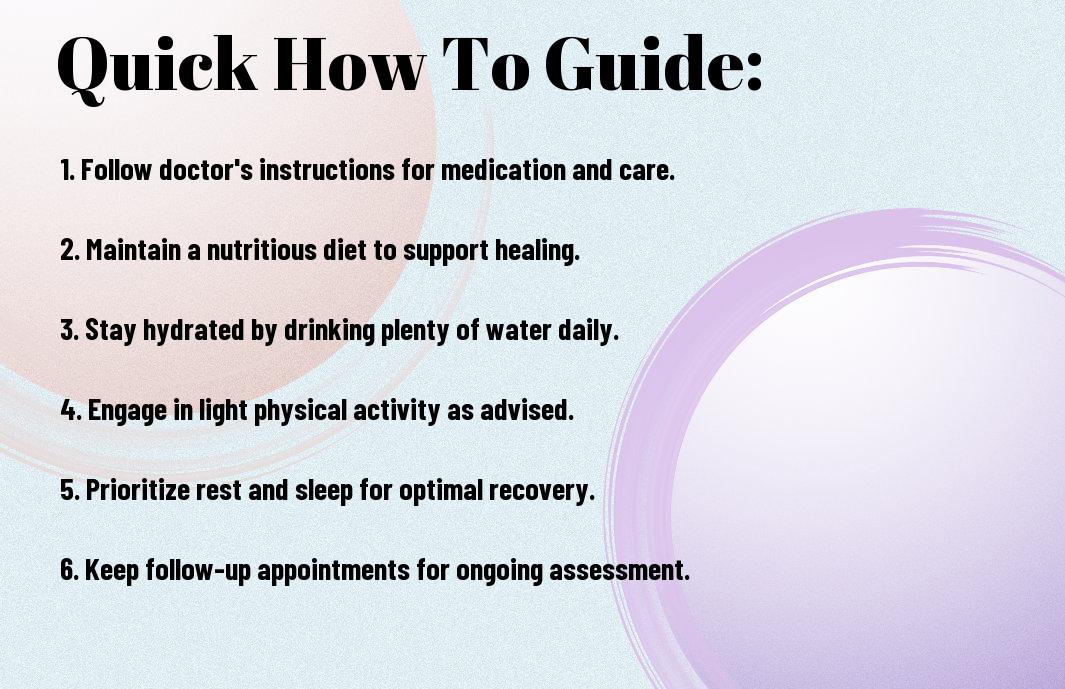
- Rest and Sleep: Ensure adequate rest and sleep to facilitate healing. Prioritize a comfortable sleeping environment.
- Nutrition: Focus on a balanced diet rich in proteins and vitamins to support recovery and strengthen the immune system.
- Hydration: Drink plenty of water to stay hydrated, which is important for overall health and recovery.
- Follow Medical Advice: Adhere to your healthcare provider’s instructions regarding medications, activities, and follow-up appointments.
- Physical Activity: Gradually increase light physical activity as advised to improve circulation and prevent complications.
Understanding Post-Surgery Recovery for Seniors
For seniors, the journey to recovery after surgery requires careful planning and consideration. Transitioning from hospital to home can feel daunting, but understanding what to expect can greatly alleviate concerns. Recovery is not merely a waiting period; it involves your active participation in healing.
Importance of Recovery
Any successful surgical outcome significantly hinges on the importance of recovery. It is during this time that your body heals, adjusting to the changes it has undergone. Prioritizing recovery ensures that you regain your strength and regain autonomy in your life.
Factors Affecting Recovery Time
The speed and efficiency of your recovery can be influenced by various elements. Some key factors include:
- Age
- Overall health
- Type of surgery
- Post-operative care
- Nutrition
Perceiving the impact of these factors can help you tailor your recovery plan to suit your personal needs.
With a deeper understanding of the factors affecting recovery time, you can better prepare. These elements can combine in unique ways, influencing not just how quickly you heal but also your overall experience. It’s crucial to assess your current health status and any pre-existing conditions that may complicate the healing process. Creating a supportive environment post-surgery plays a big role in maintaining good nutrition and managing pain effectively. Perceiving these factors will set the stage for a smoother recovery journey.
Common Surgical Procedures for Seniors
For many seniors, the most common surgical procedures may include orthopedic surgeries, such as knee or hip replacements, as well as cardiac procedures. Understanding these can help alleviate anxiety about what to expect.
Surgical procedures often faced by seniors can profoundly impact quality of life, with orthopedic surgery providing significant relief from chronic pain, allowing you to regain mobility and independence. Meanwhile, cardiac surgeries may be imperative for correcting underlying conditions, bearing the potential to save lives. However, each surgery comes with risks and challenges; hence, thorough pre-operative discussions with your healthcare provider are vital. By recognizing the importance of each procedure and the accompanying recovery process, you empower yourself for a successful healing outcome.
Preparing for the Recovery Process
There’s a lot to consider before surgery, and preparing for the recovery process is important to ensure a smooth healing journey. By taking proactive steps, you can create an environment conducive to your well-being and boost your recovery.
Communicating with Healthcare Providers
With open communication with your healthcare providers, you can clarify any questions or concerns about the surgery and recovery process. Make a list of your inquiries and reach out to your doctor or nurse to ensure you have all the necessary information. This will allow you to set realistic expectations for your healing timeline.
Creating a Comfortable Recovery Space
Communicating your needs to friends and family can greatly impact the effectiveness of your recovery environment. It’s important to create a space where you feel safe and secure. Consider factors such as proper lighting, accessibility, and the availability of personal items that bring you comfort and joy. Your recovery space should encourage relaxation and help minimize stress.
A well-thought-out recovery space should include access to important items like medications, water, and snacks, all within easy reach. Ensure your furniture is comfortable and supportive, with a cozy blanket and pillows to aid your rest. Also, consider removing any clutter or obstacles that might hinder your mobility, as a clear space can reduce the risk of falls, making your recovery period less stressful.
Organizing Post-Surgery Support
With some planning, you can create a support system that facilitates your recovery. This may involve enlisting the help of family, friends, or professionals who can assist you with daily activities and provide companionship during your healing journey.
Plus, having a reliable support network can significantly ease your post-surgery experience. Create a schedule for visits from friends and family to ensure you aren’t left alone for long periods. Also, consider food delivery options or arrange for meal prep help. This extra support will allow you to focus on your recovery and help alleviate feelings of loneliness, which can positively impact your healing process.
Managing Physical Health During Recovery
Your recovery journey is important for regaining strength and promoting healing post-surgery. Addressing your physical health is vital, as it can significantly influence how well and how quickly you recover. Taking care of your body involves several key strategies that you can implement to enhance your recovery experience.
Pain Management Strategies
With effective *pain management strategies*, you can alleviate discomfort during your recovery. Talk to your healthcare provider about medications and alternatives that work for you. Engaging in relaxation techniques and considering physical therapy can also help manage pain levels, leading to a more positive recovery process.
Nutrition Tips for Healing
Any comprehensive approach to your recovery should include proper *nutrition tips for healing*. Focus on incorporating nutrient-rich foods that aid in your recovery:
- Lean proteins for tissue repair
- Fruits and vegetables to boost your immune system
- Whole grains for sustained energy
- Healthy fats to support cell health
After establishing a balanced diet, you’ll notice improvements in your energy levels and overall well-being.
Physical *nutrition* plays an integral role in your recovery. By consuming adequate vitamins and minerals, you can enhance the healing process. Prioritize foods rich in *antioxidants*, such as berries and leafy greens, as well as *omega-3 fatty acids* found in fish, which can reduce inflammation. Regular, small meals will help maintain your energy levels. After ensuring that you are eating a well-balanced diet, your body will be better equipped to heal efficiently.
Importance of Hydration
Managing your *hydration* is vital for your overall recovery. Proper fluid intake can aid in the healing process by flushing out toxins and ensuring that your body operates smoothly.
A well-hydrated body is important for an effective recovery. Adequate hydration can prevent *complications*, such as constipation and infections, while also supporting *energy levels*. You should aim for at least 8-10 cups of water daily, but always consult with your healthcare provider to determine the amount that’s appropriate for your condition. After taking hydration seriously, you will likely feel more energized and clearer-headed throughout your recovery process.
Promoting Mental & Emotional Well-being
Keep your mental and emotional health a priority during your post-surgery recovery. Maintaining a positive mindset is imperative for achieving a smoother healing process and enhancing your overall well-being.
Coping Strategies for Anxiety and Depression
Strategies such as mindfulness meditation, deep breathing exercises, and journaling can effectively help you manage feelings of anxiety and depression. Engaging in these practices not only assists in calming your mind but can also provide a safe outlet to express your feelings.
Engaging in Gentle Activities
There’s a wealth of gentle activities you can explore to uplift your spirits and enhance your recovery experience. Engaging in light stretching, gardening, or simple arts and crafts can stimulate your mind and body without adding undue stress.
Wellbeing is greatly enhanced when you partake in activities that bring you joy and relaxation. Gentle movement not only aids physical recovery but is also beneficial for your mental state, promoting a sense of accomplishment and distraction from discomfort.
Staying Connected with Loved Ones
To enhance your emotional health, make it a point to stay connected with friends and family. Regular conversations, video calls, or even receiving letters can significantly improve your mood and provide much-needed support.
Anxiety can be alleviated when you share your experiences with loved ones. Their understanding and encouragement will help foster feelings of love and connection, combatting loneliness and creating a robust support network during your recovery journey.
Mobility & Physical Rehabilitation
After surgery, it’s important for seniors to focus on mobility and physical rehabilitation to facilitate a smoother recovery. Engaging the right support can significantly enhance your recovery journey. For more insights, consider reading about Supporting Seniors After Surgery.
Importance of Gentle Movement
There’s no doubt that gentle movement is fundamental in reducing stiffness and promoting circulation after surgery. Starting slow allows your body to adapt while minimizing discomfort. Aim for short, consistent walks to gradually regain strength.
Physical Therapy Tips
You can maximize your recovery with effective physical therapy strategies. Focus on maintaining a realistic schedule, monitoring your body’s response, and practicing various exercises:
- Schedule regular sessions with a qualified therapist.
- Exercises should be tailored to your specific needs.
- Listen to your body and avoid pushing through extreme discomfort.
Any customized physical therapy plan can be beneficial for your recovery.
Gentle stretches and resistance exercises can also be incorporated, targeting key muscle groups to enhance strength and flexibility. Make sure to communicate with your therapist regarding any persistent pain or limitations you experience. This dialogue will ensure your program is effectively structured to meet your needs.
- Stretching is important for maintaining flexibility.
- Strengthening can help in regaining lost muscle mass.
- Balance exercises are important for stability.
Any structured routine incorporating these elements can lead to enhanced mobility.
Preventing Falls and Accidents
Now, a focus on preventing falls and accidents is important for your safety during recovery. Being mindful of your surroundings and adopting practices that limit risk will protect you from setbacks.
For instance, ensure that your home is free of clutter, use assistive devices as recommended, and keep frequently used items within reach to reduce the risk of falls. Investing in non-slip mats in bathrooms and hallways ensures greater safety, while wearing appropriate footwear further contributes to stability. A proactive approach is vital to maintain your autonomy and enhance your recovery experience.
Monitoring Recovery Progress
Many seniors overlook the importance of actively monitoring their recovery progress after surgery. By keeping a close eye on your health, you can quickly identify any issues that may arise and ensure a smoother healing process.
Recognizing Signs of Complications
Little changes in your condition can sometimes signal a more serious problem. Be vigilant for symptoms such as *increased pain*, *swelling*, *redness*, or *fever*, as these may indicate complications. *Acting promptly* can make a significant difference in your recovery.
Keeping a Recovery Journal
Even minor details in your recovery can be important, which is why maintaining a recovery journal can be beneficial. By documenting your daily activities, medications, symptoms, and emotional state, you create a comprehensive record that will aid both you and your healthcare team in monitoring your recovery effectively.
Monitoring your daily progress through a recovery journal enables you to identify patterns in your healing. Note *changes in pain levels*, your *energy, and *any unusual symptoms*; this documentation can serve as a valuable resource during follow-up appointments. Additionally, expressing your thoughts and feelings can contribute to your emotional well-being, making you feel more engaged in your recovery journey.
When to Contact a Healthcare Provider
Provider intervention may be necessary if you experience any concerning symptoms during recovery. Be sure to reach out if you notice signs such as *persistent pain*, *excessive bleeding*, or *difficulty breathing*, as these could indicate complications that need immediate attention.
To ensure your recovery remains on the right path, keep an open line of communication with your healthcare provider. If you have questions or concerns, don’t hesitate to get in touch. It’s better to be proactive; *delaying* contact can lead to complications that might prolong your recovery time. Stay informed and prioritize your health by seeking guidance whenever necessary.
Preparing for Post-Recovery Life
Once again, transitioning into post-recovery life requires thoughtful preparation and planning. Being equipped for this phase can significantly enhance your overall healing process. From pace of activity to long-term health adjustments, each element plays a vital role in your journey. Ensure you give yourself the necessary time and support to achieve maximum recovery.
Gradual Return to Daily Activities
While it’s tempting to dive back into your regular routine, it’s important to ease into daily activities. Start with light tasks and gradually increase your engagement as your body permits. Listening to your body will help you avoid setbacks and ensure a smoother transition.
Long-term Health Considerations
Life after surgery means adapting to new health realities and maintaining an ongoing focus on your well-being. This may involve embracing a different exercise regime, dietary adjustments, or scheduled check-ups with healthcare providers.
Activities that once felt effortless might require extra attention or modifications as you recover. Engaging in regular physical activity will not only strengthen your body but also boost your mental health. Additionally, keeping an eye on your nutrition will support your physical recovery and fortify your immune system. Always consult with healthcare professionals to navigate these changes effectively.
Setting New Goals for Well-being
An important aspect of your post-surgery recovery is setting new goals for well-being. Focus on attainable objectives that promote both physical and mental health, allowing you to recalibrate your lifestyle post-surgery.
This process of goal-setting should reflect not only regaining lost abilities but also enhancing your life quality overall. Aim for small wins that boost your confidence and encourage a positive outlook. Perhaps try new hobbies or activities that inspire you; these can provide a fresh sense of purpose while maintaining your focus on healing. Striving for these goals will greatly benefit your recovery journey.
Conclusion
So, as you focus on your post-surgery recovery, following these comprehensive tips can significantly enhance your healing process. Prioritize a balanced diet, maintain hydration, and ensure you get adequate rest. Stay active with gentle exercises as advised by your healthcare provider and keep your follow-up appointments. Engaging your support system and managing pain effectively will make a positive impact on your overall recovery. By taking these steps, you can empower yourself to regain your strength and well-being during this vital healing period.
Q: What are some necessary tips for managing pain after surgery for seniors?
A: Effective pain management is vital during recovery. Seniors should follow the pain management plan provided by their healthcare professionals, which may include medication schedules and dosage guidelines. Additionally, gentle activities such as walking can help reduce discomfort. Using heat or cold packs may provide relief, and engaging in relaxation techniques, such as deep breathing or meditation, can help manage pain levels.
Q: How can seniors ensure proper nutrition during their recovery?
A: Adequate nutrition is important for recovery. Seniors should focus on a balanced diet rich in protein, vitamins, and minerals. Foods such as lean meats, dairy, fruits, and vegetables are beneficial. Staying hydrated is equally important, so drinking plenty of water throughout the day is recommended. Consulting a dietitian can help create a personalized meal plan that supports healing.
Q: What role does physical activity play in post-surgery recovery for seniors?
A: Light physical activity is key to promoting circulation and preventing complications like blood clots. Seniors should start with gentle exercises recommended by their healthcare provider, such as short walks or stretching. It’s necessary to listen to one’s body and gradually increase activity levels as comfort and strength improve. A physical therapist may also provide guidance on safe exercises tailored to each individual’s needs.
Q: How important is emotional support during recovery for seniors?
A: Emotional well-being plays a significant role in recovery. Having a strong support system can help seniors cope with the psychological stress associated with surgery. Engaging with family and friends, participating in group activities, or considering support groups can foster connections and reduce feelings of isolation. Seeking professional counseling if feelings of anxiety or depression arise can also be beneficial.
Q: What should seniors keep in mind regarding follow-up care after surgery?
A: Follow-up care is a vital part of the recovery process. Seniors should attend all scheduled appointments with healthcare providers to monitor healing progress and address any concerns. Keeping a journal to track symptoms and medications can be helpful for discussions during these visits. It’s also an opportunity to report any unusual signs, such as increased pain or swelling, which may need further attention.



Leave a Reply