
Many seniors face challenges during the recovery process after surgery, but with the right approach, you can ensure a smoother recovery experience. Your focus should be on adequate rest, nutritious meals, and following medical advice. This guide will provide you with important tips to help you manage pain, prevent complications, and enhance your overall well-being during this important time. By understanding these key factors, you can promote your healing and regain your independence more quickly.
Key Takeaways:
- Prioritize Rest: Allowing the body ample time to heal is fundamental for a successful recovery.
- Nutrition Matters: A balanced diet helps in rebuilding strength and boosting the immune system post-surgery.
- Follow Medical Advice: Adhering to the doctor’s instructions and attending follow-up appointments ensures proper healing.
- Manage Pain Effectively: Utilizing prescribed pain management strategies can enhance comfort during the recovery process.
- Stay Active Gradually: Gentle movement and physical therapy can aid in regaining mobility without overexertion.
Understanding Post-Surgery Recovery
Before entering into the recovery process, it’s vital to acknowledge that post-surgery recovery is a critical phase that allows your body to heal and regain strength. This period demands attention and care, particularly for seniors, who may face additional challenges in the healing process.
The Importance of Recovery for Seniors
With proper recovery, seniors can significantly enhance their overall health and well-being. A focused recovery process will reduce complications, improve mobility, and lead to better long-term outcomes. Prioritizing your health during this period is crucial for regaining independence in daily activities.
Common Obstacles to Recovery
Assuming you are aware of potential barriers, let’s examine some common obstacles to a smooth recovery. Many seniors face issues such as limited mobility, heightened anxiety, and adverse side effects from medications, all of which can hinder the healing process.
For instance, limited mobility from surgeries like hip or knee replacements can make it difficult for you to get out of bed or perform daily tasks. Anxiety surrounding the surgery or recovery can also lead to reluctance in participating in necessary rehabilitation workouts. Additionally, certain medications may cause fatigue or dizziness, complicating your efforts to recover quickly and effectively.
Overall Healing Timeline
Seniors often experience variations in their healing timelines based on factors such as age, surgery type, and overall health. Understanding what to expect during recovery can help you manage your progress and set realistic goals.
Post-surgery, you might notice that the initial days are focused on pain management and rest. As you transition into the weeks following your procedure, gains in strength will become more apparent with gradual increases in activity level. Approximately four to six weeks post-surgery, many individuals start to feel more like themselves, but full recovery can take several months. Keeping track of your progress and cooperating with your healthcare providers will help strengthen your recovery journey.
Preparing for Surgery
Some of the most important steps in your journey to recovery begin long before the surgery takes place. Preparing for surgery involves diligent planning and necessary consultations that can significantly affect your post-operative experience. From understanding the procedure to optimizing your environment, each detail contributes to a smoother recovery.
Pre-Surgery Consultations and Assessments
Any surgical procedure requires thorough pre-surgery consultations and assessments to ensure you are physically and mentally prepared. During these meetings, your healthcare providers will go over your medical history, discuss potential risks, and address any concerns you might have. It’s vital to voice questions and seek clarifications to feel confident and informed about the upcoming procedure.
Setting Up a Recovery Space
Consultations with your care team can provide valuable advice on how to set up a recovery space that fosters healing. This space should be comfortable, easily accessible, and stocked with all necessary items, such as medications, fluids, and personal items. It’s a good idea to ensure adequate lighting, supportive seating, and mobility aids are within reach to promote a nurturing environment for your recovery.
Recovery spaces often become the center of your healing process, so pay attention to their setup. Ensure that everything you need is within arm’s reach, including a phone for emergencies, water, and snacks. This organization will help reduce stress and allow you to focus on healing. Additionally, consider adding personal touches such as family photos or beloved items to create a soothing atmosphere.
Medication and Dietary Considerations
While preparing for surgery, it’s vital to discuss medication and dietary considerations with your healthcare provider. Some medications may need to be adjusted or temporarily stopped before the surgery, and your doctor will provide guidelines on what you should avoid. Similarly, following specific dietary recommendations can optimize your recovery process.
To ensure successful healing post-surgery, you should prioritize a balanced diet rich in nutrients while taking prescribed medications on time. This means maintaining hydration and ensuring you get enough protein, vitamins, and minerals, which are vital for wound healing. Being adherent to your doctor’s dietary guidelines will not only minimize complications but also enhance your energy and mobilization during recovery.
Essential How-To Tips for Smooth Recovery
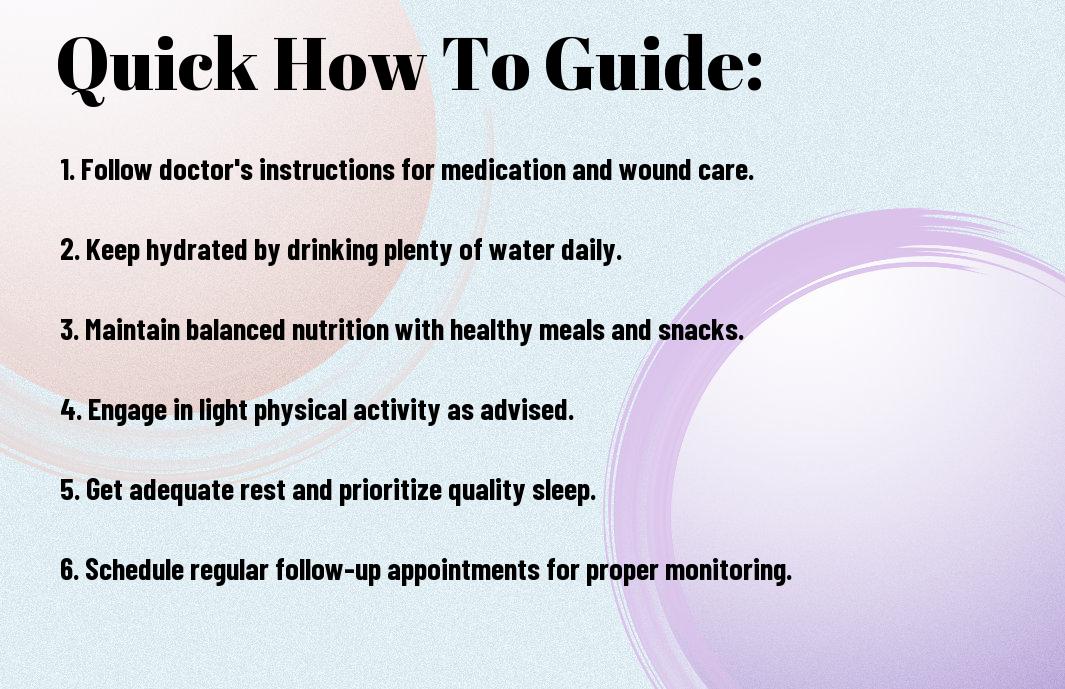
For a smooth post-surgery recovery, you should focus on several key aspects that will significantly enhance your healing process. Here are some necessary tips:
- Follow your doctor’s post-operative instructions carefully.
- Maintain a balanced diet to support recovery.
- Stay well-hydrated; hydrate to avoid complications.
- Set a regular schedule for medications to manage pain.
- Engage in light physical activity as advised.
- Get adequate rest; sleep helps your body heal.
- Seek help from family or friends for daily activities.
Perceiving these elements can ultimately aid in achieving a successful recovery.
Managing Pain and Discomfort
Essential to your recovery is managing pain and discomfort effectively. Follow your doctor’s prescribed medication regimen to keep pain levels in check, while also exploring relaxation techniques, such as deep breathing or meditation. Don’t hesitate to communicate with your healthcare team about any pain issues, so they can offer further assistance when needed.
Implementing Mobility Strategies
Tips for recovery also include implementing mobility strategies early on. Gentle movements will promote circulation, helping with healing and reducing stiffness. Consider incorporating short walks around your home, which can be gradually increased as you gain strength.
Mobility is vital in your post-surgery recovery. Creating a structured mobility plan that involves light stretching and walking will assist in regaining flexibility and strength. Use a walker or cane as needed for additional support. Always listen to your body, and stop if you experience excessive pain. Consult your doctor if your mobility is severely limited, as proper strategies can prevent long-term issues.
The Role of Physical Therapy
Managing your recovery can be greatly enhanced by incorporating physical therapy. A licensed physical therapist can customize a program suited to your specific needs, thus promoting healing faster and safely while improving your strength and mobility.
Plus, physical therapy is an excellent way to address any lingering physical challenges you may face post-surgery. Your therapist will guide you through targeted exercises designed to facilitate recovery and improve your overall functionality. Engaging in these programs not only helps you recover quicker but also minimizes the risk of complications, ensuring you can return to your daily activities sooner.
Nutrition for Recovery
Despite the many challenges that come with surgery, proper nutrition can significantly enhance your recovery journey. Focusing on a balanced diet rich in vital nutrients will provide your body with the strength it needs to heal effectively.
Foods that Promote Healing
Clearly, a diet high in protein, vitamins, and minerals plays a vital role in your recovery. Foods such as lean meats, fish, eggs, beans, and leafy greens can support tissue repair and boost your immune system.
Hydration and Its Benefits
Recovery after surgery necessitates adequate hydration to maintain optimal bodily functions. Staying well-hydrated helps transport nutrients, eliminate toxins, and even regulate body temperature.
Foods like fruits and vegetables can also contribute to your hydration, while drinking sufficient water and low-sugar beverages is vital. Your body loses fluids during surgery, and rehydration is vital for enhanced circulation and nutrient absorption. By prioritizing hydration, you pave the way for a smoother recovery process.
Supplements to Consider
Clearly, certain supplements can also support your recovery efforts. Vitamins C and D, along with calcium and zinc, are known to aid in tissue healing and immune response.
Understanding your body’s needs and consulting with a healthcare professional can help you identify the right supplements for you. They can assist you in choosing quality products that will enhance your nutrition without interacting negatively with your medications or recovery regimen. Stay informed and make choices that will best support your healing process.
Mental Health and Emotional Well-Being
Unlike physical recovery, mental health can often be overlooked post-surgery, yet it is just as important for your overall healing process. You may experience anxiety, sadness, or frustration as you navigate through recovery. Staying attuned to your emotional state is crucial to enhancing your well-being during this time.
Recognizing Post-Surgery Anxiety
Post-surgery, you might find yourself feeling unexpectedly anxious. This can manifest as sleep disturbances, irritability, or a sense of impending doom. Acknowledging these feelings and seeking support from loved ones or professionals can help you cope effectively.
Tips for Maintaining a Positive Mindset
Some practical strategies to sustain your emotional strength include:
- Engaging in daily positive affirmations
- Practicing mindfulness techniques
- Connecting with loved ones for social support
- Setting realistic goals for your recovery
Knowing these strategies can empower you to combat negative emotions and reinforce a hopeful outlook.
With a proactive approach to nurturing your mental health, you can significantly enhance your post-surgery experience. Consider journaling your feelings; it can serve as a constructive outlet. Engage in virtual hangouts or calls with family to feel connected. This period may also be an opportunity to explore new hobbies or interests, which can create a sense of purpose and fulfillment. Keeping a schedule of small tasks can also aid in staying motivated, leading to a more positive recovery journey.
- Participating in hobby-related activities
- Trying out new skills or crafts
- Joining community groups online
- Setting aside time for daily reflection
Knowing these actions can help you foster a resilient mindset as you heal.
Engaging in Meaningful Activities
Activities that hold significance for you are crucial in maintaining emotional stability post-surgery. When you engage in pursuits you are passionate about, it can elevate your mood and distract you from discomfort.
Anxiety can significantly affect your overall healing if left unchecked. By engaging in activities like reading, knitting, or gardening, you can create a fulfilling routine that sustains your mental health. Choose hobbies that inspire you, as they can serve to alleviate feelings of isolation and promote a strong sense of purpose. Social hobbies, such as joining a book club or attending virtual workshops, also boost your emotional well-being while connecting you with others who share your interests. Ensuring you involve yourself in these activities not only enriches your spirit but also contributes positively to your recovery.
Factors Impeding Recovery
Not addressing the various factors that can impede your recovery may lead to prolonged healing times and complications. Key elements to consider include:
- Chronic conditions that may complicate recovery
- Medication side effects that need monitoring
- Social support and its role in the healing process
For additional insights, you can check out Preparing for surgery: What older adults need to know. This will help you better navigate your recovery journey.
Chronic Conditions and Their Impact
You may have chronic conditions that significantly influence how well you recover from surgery. Conditions such as diabetes, heart disease, and arthritis can lead to increased risks of infections or complications, which can prolong your healing time. It’s vital to manage these conditions effectively during your postoperative care.
Medication Side Effects to Monitor
Side effects from medications prescribed for pain management or other post-surgical needs can impede your recovery. Common side effects include nausea, dizziness, and drowsiness, all of which can affect your ability to engage in physical therapy or daily activities.
Medication side effects can sometimes mask the symptoms of complications and make it hard to recognize when something is wrong. It’s important to stay vigilant for any adverse reactions, ensuring you communicate with your healthcare provider if you notice any concerning symptoms.
Social Support and Its Importance
Monitor your social support network, as it plays a significant role in your recovery process. Having friends or family nearby can help you follow post-operative instructions, assist with daily tasks, and provide emotional encouragement.
It is well-documented that strong social support can enhance your recovery speed and increase overall well-being. Engaging with loved ones can positively affect your mood, making it easier for you to adhere to recovery protocols and seek help when needed.
Summing up
On the whole, ensuring a smooth post-surgery recovery in seniors involves a thoughtful approach that includes proper preparation, medication management, nutrition, and physical activity. By prioritizing your health and adhering to your healthcare team’s guidance, you can enhance your healing process. Staying connected with loved ones and maintaining a positive mindset are also important for emotional well-being. By following these strategies, you are setting yourself up for a successful recovery journey.
FAQ
Q: What should seniors expect during their post-surgery recovery period?
A: After surgery, seniors can anticipate a range of experiences including pain management, limited mobility, and possible fatigue. It is important to understand that the recovery time can vary significantly based on the type of surgery and the individual’s overall health. A clear communication with healthcare providers about what to expect can help in managing these feelings successfully.
Q: How can seniors manage pain effectively after surgery?
A: Effective pain management is vital for a smoother recovery. Seniors should discuss pain management options with their healthcare provider, which may include prescribed medications or over-the-counter pain relievers. Additionally, non-medication techniques such as applying ice packs, practicing relaxation techniques, and gentle movements can support pain relief.
Q: What role does nutrition play in recovery after surgery for seniors?
A: Nutrition plays a significant role in healing after surgery. Seniors are encouraged to consume a well-balanced diet rich in protein, vitamins, and minerals to aid the recovery process. Foods such as lean meats, fish, eggs, fruits, vegetables, and whole grains can enhance healing and support energy levels. Staying hydrated is equally important, so seniors should drink plenty of fluids.
Q: How can physical activity be integrated into post-surgery recovery for seniors?
A: Gradual and appropriate physical activity is important for recovery. After consulting with a healthcare provider, seniors may begin with light activities such as walking or gentle stretching, depending on the type of surgery. Engaging in supervised physical therapy can also help restore strength and mobility while minimizing the risk of complications.
Q: What strategies can help with emotional well-being during recovery?
A: Emotional support is just as important as physical recovery. Seniors can benefit from social interaction, whether through family visits, phone calls, or support groups. Engaging in enjoyable activities, reading, or practicing mindfulness techniques can also enhance emotional well-being. Seeking guidance from mental health professionals is advisable if anxiety or depression symptoms arise during recovery.



Leave a Reply